A Streetcar Named Desire
Released on Wed, September 19, 1951

"A Streetcar Named Desire," a cinematic masterpiece directed by Elia Kazan, delves into the fragile psyche of Blanche DuBois, a fading Southern aristocrat grappling with a rapidly changing world. Blanche arrives in the steamy, working-class New Orleans neighborhood of her sister, Stella, seeking refuge from a past marred by loss and societal decline. Once accustomed to a life of privilege and refinement at the family's ancestral home, Belle Reve, Blanche now finds herself disoriented and desperate, carrying with her a suitcase full of illusions and a desperate need for validation.
Blanche's arrival disrupts the relatively stable, albeit passionate, life Stella has built with her husband, Stanley Kowalski. Stanley, a Polish-American working man, embodies a raw, primal masculinity that clashes directly with Blanche's carefully constructed facade of gentility. He sees through her attempts to maintain a sense of superiority and is immediately suspicious of her motives, perceiving her presence as a threat to his authority and relationship with Stella.
The dynamic between Blanche and Stanley becomes the central conflict of the film, a battle of wills and ideologies that slowly unravels Blanche's already precarious mental state. Stanley is a man of action and instinct, comfortable in his own skin and unconcerned with societal niceties. Blanche, on the other hand, relies on fantasy and manipulation to cope with the harsh realities of her life. Their interactions are fraught with tension, filled with subtle power plays and veiled insults that escalate over time.
 Essentially, the movie chronicles the descent of a woman, fragile and clinging to a past that no longer exists, as she seeks comfort in the home of her sister. However, this refuge proves to be far from safe, as the presence of her sister's rough and unrefined husband accelerates her mental breakdown. The close proximity to this man, who embodies everything she despises and fears, pushes her further and further into a state of delusion and desperation.
Stanley's brutal realism and suspicion chip away at Blanche's carefully constructed illusions, exposing her vulnerabilities and shattering her carefully crafted image. The claustrophobic setting of the small apartment intensifies the conflict, creating a pressure cooker environment where emotions simmer and ultimately boil over. Blanche's increasing reliance on alcohol and her desperate attempts to find love and security only serve to highlight her vulnerability and make her an easier target for Stanley's cruelty.
Ultimately, "A Streetcar Named Desire" is a tragic exploration of the clash between illusion and reality, the decline of the Southern aristocracy, and the destructive power of repressed desires. It's a story of a woman seeking solace who finds instead a catalyst for her final, devastating unraveling, leaving viewers haunted by the fragility of the human spirit and the unforgiving nature of a world that often fails to offer the refuge we so desperately crave.


 Kim Hunter
as Stella Kowalski
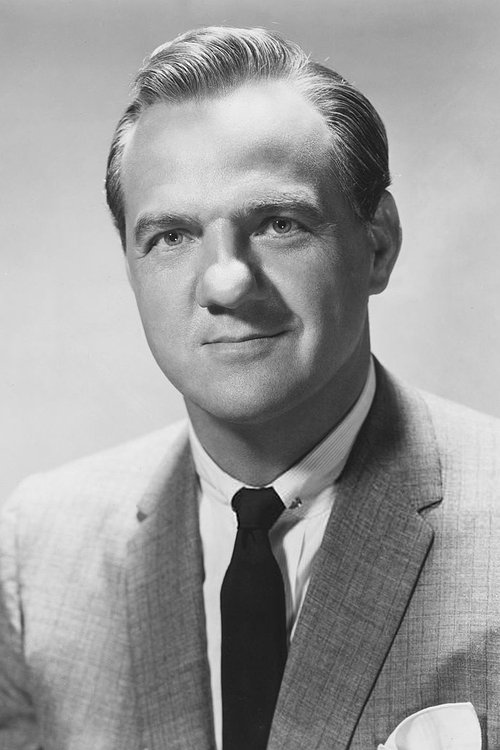 Karl Malden
as Harold Mitchell
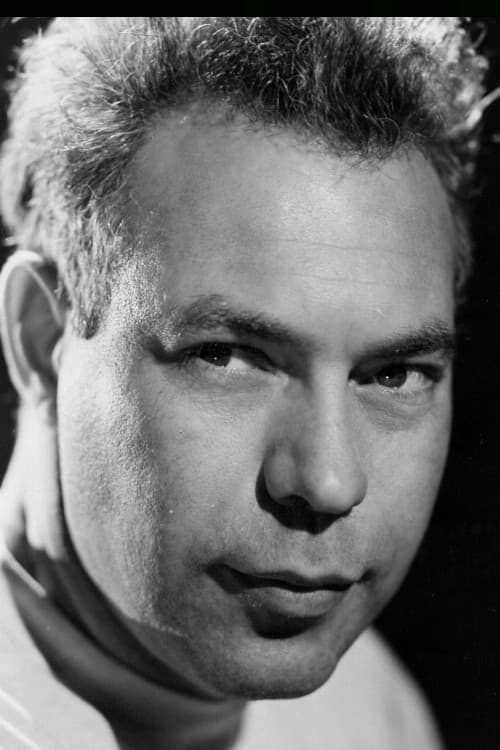 Rudy Bond
as Steve
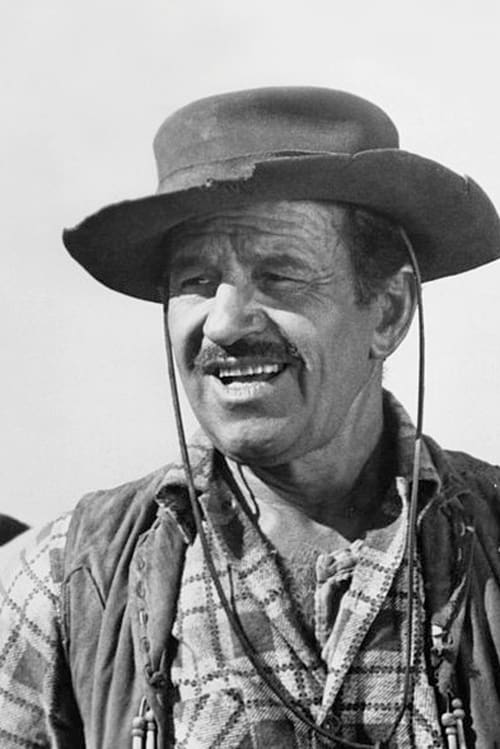 Nick Dennis
as Pablo Gonzales
 Peg Hillias
as Eunice
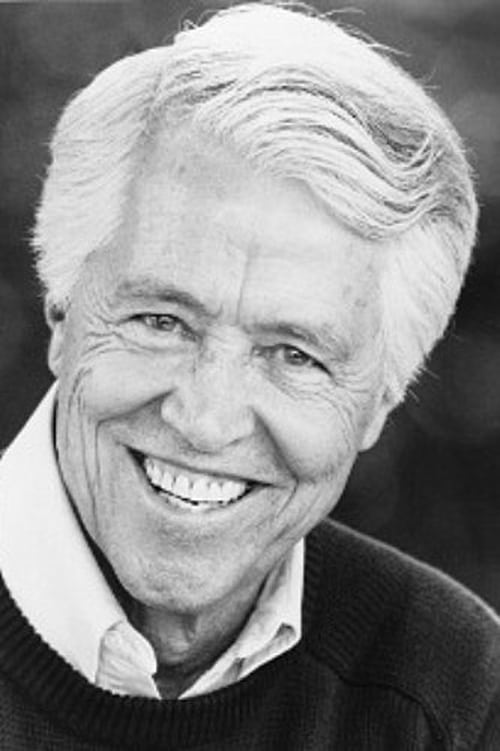 Wright King
as A Collector