Analyze That
Released on Fri, December 6, 2002

"Analyze That" revisits the chaotic and humorous dynamic between mob boss Paul Vitti and his reluctant psychiatrist, Dr. Ben Sobel. This time, Vitti finds himself incarcerated once more, suggesting a relapse into his old habits despite his previous therapy. Anticipating his release, authorities recognize Vitti's need for continued psychological support, leading him to, unsurprisingly, seek out Dr. Sobel's expertise once again.
The film's premise hinges on the notion that Vitti, despite his dangerous profession and volatile personality, requires consistent therapeutic intervention to manage his emotional well-being. His return to Sobel signifies a reliance on the doctor's guidance, even though their past encounters have been anything but ordinary. The authorities' insistence on counseling further highlights the ongoing struggle to rehabilitate Vitti and integrate him, however improbably, into a more conventional life.
However, "Analyze That" doesn't just focus on Vitti's therapeutic journey. The film cleverly introduces a role reversal, revealing that Dr. Sobel himself is facing his own set of challenges. He is no longer the calm and composed professional he once was. He finds himself overwhelmed, taking over the family business and being in a state of high anxiety.
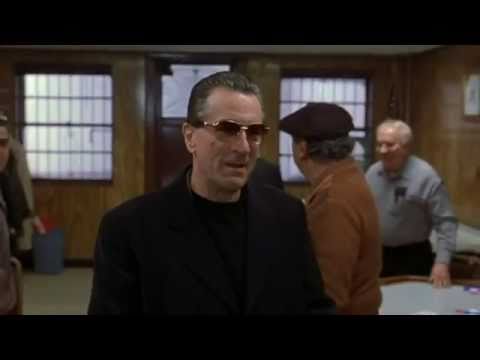 This inheritance has inadvertently burdened Sobel with a new and unexpected source of stress, turning his life upside down. The once-collected psychiatrist is now grappling with his own personal crisis, possibly making him more vulnerable and relatable to Vitti, even if he does not want to be.
The setup cleverly uses the imbalance in the relationship between patient and doctor. It's a way to add comedy as Vitti's self-centered and insensitive traits lead him to interfere with Sobel's life.
This parallel struggle creates a compelling comedic dynamic as the two men, each needing help in their own way, find themselves intertwined in a farcical and unpredictable situation. The film explores the notion that even those who offer guidance and support often require assistance themselves, blurring the lines between patient and therapist and amplifying the comedic potential of their unconventional relationship.

 Billy Crystal
as Dr. Ben Sobel

 Joe Viterelli
as Jelly
 Cathy Moriarty
as Patti LoPresti
 Joey Diaz
as Ducks
 Jerome Le Page
as Convict
 Joseph Bono
as Wiseguy