Angola Independence Day
On Tue, November 11, 1975
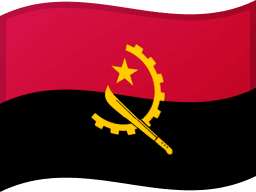
Angola Independence Day, celebrated annually on November 11th, commemorates the day in 1975 when Angola officially declared its independence from Portugal. This momentous occasion marked the culmination of a long and arduous struggle against colonial rule, a struggle characterized by armed conflict and political upheaval. The declaration of independence signaled a new era for Angola, one where the nation could determine its own destiny and build a future free from foreign domination.
The path to independence was far from smooth. Even before the official declaration, tensions were high among the three major liberation movements: the People's Movement for the Liberation of Angola (MPLA), the National Liberation Front of Angola (FNLA), and the National Union for Total Independence of Angola (UNITA). Each group held different ideologies and received support from various international powers, setting the stage for a protracted civil war that would plague the nation for decades.
On November 11, 1975, Agostinho Neto, leader of the MPLA, proclaimed Angola's independence from Luanda, the capital city. However, the other liberation movements, backed by different factions and foreign support, continued their fight for control. This declaration, rather than ushering in an era of peace and prosperity, marked the beginning of a devastating civil war that would last for 27 years, tearing the country apart and causing immense suffering for the Angolan people.
The immediate aftermath of Independence Day saw intense fighting break out across the country as the rival liberation movements vied for power. Foreign involvement further complicated the situation, with Cuba and the Soviet Union supporting the MPLA, while the United States and South Africa backed UNITA. This external interference transformed the Angolan conflict into a proxy war during the Cold War, exacerbating the already volatile situation.
Despite the ongoing conflict, Angola Independence Day remains a significant symbol of national pride and resilience. It represents the Angolan people's unwavering determination to achieve self-determination and break free from colonial oppression. While the day is tinged with the somber memory of the long and brutal civil war, it also serves as a reminder of the sacrifices made by countless Angolans in the pursuit of freedom.
Today, Angola Independence Day is commemorated with patriotic celebrations, cultural events, and official ceremonies throughout the country. It is a time for Angolans to reflect on their history, honor the heroes of the independence struggle, and reaffirm their commitment to building a peaceful and prosperous future for their nation. The day serves as a testament to the enduring spirit of the Angolan people and their unwavering hope for a brighter tomorrow.