Another Brick in the Wall, Pt. 2 by Pink Floyd
Released on Fri, November 23, 1979
"Another Brick in the Wall, Pt. 2" is arguably Pink Floyd's most iconic and commercially successful song. Released in 1979 as part of their concept album "The Wall," it's a powerful protest anthem against rigid and oppressive education systems. The song blends simple yet effective lyrics, a catchy melody, and a memorable guitar solo to create a potent statement about conformity and the suppression of individuality. It's a song that resonates with generations who have felt stifled by institutions and societal expectations.
The lyrics, written by Roger Waters, the band's bassist and primary lyricist, paint a stark picture of a dehumanizing educational environment. Phrases like "We don't need no education," "We don't need no thought control," and "Teachers leave them kids alone" are raw and direct, expressing a frustration with rote learning and the stifling of creativity. The classroom depicted is one where children are treated as mere vessels to be filled with information, rather than individuals with unique perspectives and potential. The repetition of these lines emphasizes the feeling of being indoctrinated and controlled.
Musically, the song is surprisingly upbeat, almost ironically so, considering its anti-establishment message. The simple chord progression, driven by a steady, almost marching-like beat, creates a hypnotic effect, mirroring the repetitive and mind-numbing nature of the education system being critiqued. The use of a children's choir singing the chorus adds a layer of poignancy, highlighting the vulnerability of children within this system and amplifying the song's message of rebellion.
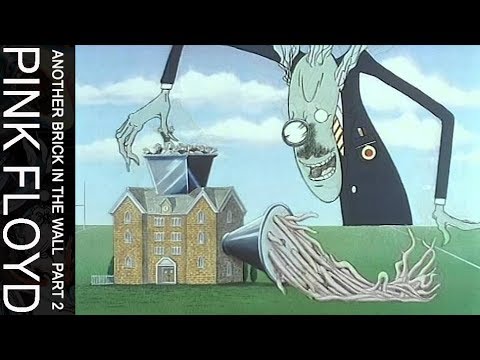 David Gilmour's guitar solo is a key element of the song's power. It's a soaring, blues-influenced solo that expresses the pent-up frustration and desire for freedom that the lyrics convey. The solo isn't overly technical or flashy; instead, it's emotive and heartfelt, capturing the raw anger and yearning for something more than the oppressive environment the song describes. It acts as a counterpoint to the rigid structure of the song and the lyrics, representing the individual spirit that refuses to be crushed.
"Another Brick in the Wall, Pt. 2" was a massive commercial success, reaching number one in several countries. This success, however, was somewhat controversial. The song's anti-establishment message was often interpreted as anti-education, leading to protests and bans. Despite the controversy, the song's popularity speaks to its ability to connect with a wide audience who have experienced feelings of alienation and oppression in various forms, not just within the educational system.
Beyond its immediate critique of education, "Another Brick in the Wall, Pt. 2" can be interpreted as a broader commentary on the pressures of conformity and the dangers of societal expectations that can lead to the suppression of individuality. The "wall" in the album's concept represents emotional isolation and the barriers we build around ourselves, and the "bricks" are the experiences and societal pressures that contribute to this isolation. The song's enduring popularity lies in its ability to tap into these universal feelings of alienation and the desire for freedom and self-expression.