Benin Independence Day
On Fri, August 1, 1969
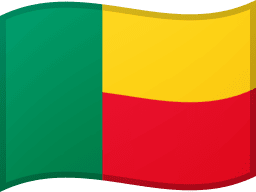
Benin Independence Day, celebrated annually on August 1st, marks the end of French colonial rule and the birth of the Republic of Benin. This day is a significant milestone in the nation's history, representing the culmination of decades of struggle for self-determination and freedom from foreign influence. It is a time for Beninese citizens to reflect on their past, celebrate their cultural heritage, and look forward to a future of progress and prosperity.
The road to independence for Benin, formerly known as Dahomey, was paved with political and social upheaval. Like many African nations, Dahomey experienced the full force of European colonization, with France establishing its presence in the region during the late 19th century. The French administration imposed its laws, exploited the country's resources, and suppressed local traditions, fueling resentment and a growing desire for self-governance among the Beninese people.
In the mid-20th century, a wave of independence movements swept across the African continent, inspiring activists and intellectuals in Dahomey to organize and demand an end to French rule. Political parties emerged, advocating for greater autonomy and eventual independence. Figures like Hubert Maga, Sourou-Migan Apithy, and Justin Ahomadégbé played pivotal roles in negotiating with the French authorities and shaping the future of the nation.
 After years of negotiations and political maneuvering, France finally granted Dahomey its independence on August 1, 1960. The proclamation of independence marked a moment of jubilation and hope for the Beninese people, who had long yearned to control their own destiny. National symbols like the flag and anthem were adopted, representing the new nation's identity and aspirations.
Benin Independence Day is celebrated with a variety of events and activities across the country. Official ceremonies, parades, and speeches are held in the capital city of Porto-Novo, as well as in other major cities. Cultural performances, showcasing traditional music, dance, and art, are organized to celebrate Benin's rich heritage. Communities come together to share meals, celebrate their unity, and honor the sacrifices made by those who fought for independence.
The celebration of Benin Independence Day serves as a reminder of the importance of self-determination, unity, and national pride. It is a time to reflect on the progress that has been made since independence, as well as the challenges that still remain. As Benin continues to develop and navigate its place in the world, the spirit of independence continues to inspire its citizens to work towards a brighter future for themselves and generations to come.