Căruța cu mere
Released on Mon, October 24, 1983
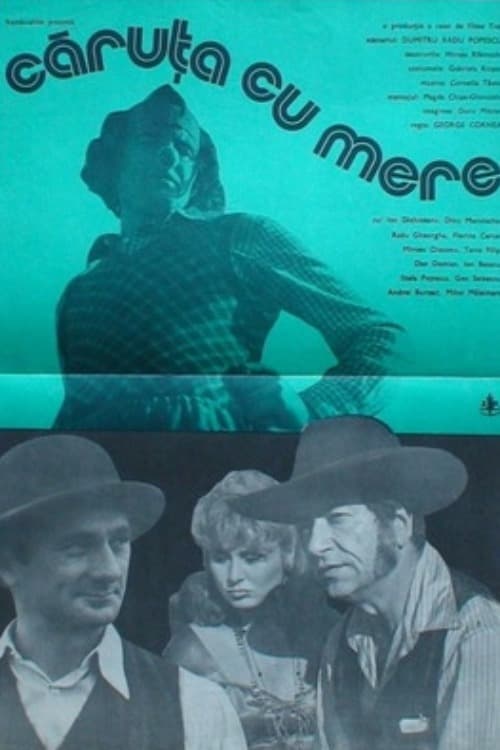
"Căruța cu mere," a Romanian film, is set in the turbulent year of 1947. The aftermath of World War II still casts a long shadow over the nation, leaving its people grappling with hardship and uncertainty. Political tides are shifting dramatically, as King Michael, the reigning monarch, faces pressure to abdicate and leave the country. The looming specter of communism threatens to engulf Romania, poised to reshape its social and political landscape entirely. The film captures this precarious moment in history, a crossroads where the old order is collapsing and a new, unknown future looms large.
Against this backdrop of national upheaval, "Căruța cu mere" centers on the aspirations of two young individuals. They are determined to realize their artistic ambitions, driven by a passion to express themselves and contribute to their culture. However, their path is fraught with challenges. The political and economic instability of the era makes it difficult to pursue creative endeavors, as resources are scarce and opportunities limited. The film delves into the obstacles they face, portraying the resilience and determination required to chase their dreams amidst such trying circumstances.
The two aspiring artists find themselves caught between the fading vestiges of the past and the uncertain dawn of a communist future. The traditional values and artistic conventions of the pre-war era are slowly being replaced by new ideologies and expectations. The film subtly explores the tensions between these competing forces, as the young protagonists navigate a world where artistic expression is increasingly politicized. They are forced to grapple with questions of artistic freedom, social responsibility, and the role of art in a society undergoing radical transformation.
Their journey is not solely defined by political considerations. "Căruța cu mere" also delves into the personal lives of the two young artists, exploring their relationships, their struggles with self-doubt, and their unwavering belief in the power of art. They find solace and inspiration in their shared passion, supporting each other through setbacks and celebrating their small victories along the way. The film showcases the importance of human connection and the sustaining force of hope in times of adversity.
The "apple cart," suggested by the title, becomes a symbol of their dreams and their determination to overcome obstacles. Like the humble apple cart, their artistic aspirations may seem fragile and vulnerable in the face of overwhelming political forces. Yet, they cling to their vision, pushing forward with unwavering dedication. The film suggests that even in the most challenging circumstances, the human spirit can find a way to blossom and create something beautiful.
Ultimately, "Căruța cu mere" is a poignant story about hope, resilience, and the enduring power of art in the face of political turmoil. It captures a pivotal moment in Romanian history, while also exploring the universal themes of ambition, friendship, and the pursuit of dreams. The film serves as a reminder that even when faced with seemingly insurmountable odds, the human spirit can persevere and create beauty, finding meaning and purpose in the most uncertain of times.

 Dinu Manolache
as Petre
 Radu Gheorghe
as Savel
 Florina Cercel
as Dorina

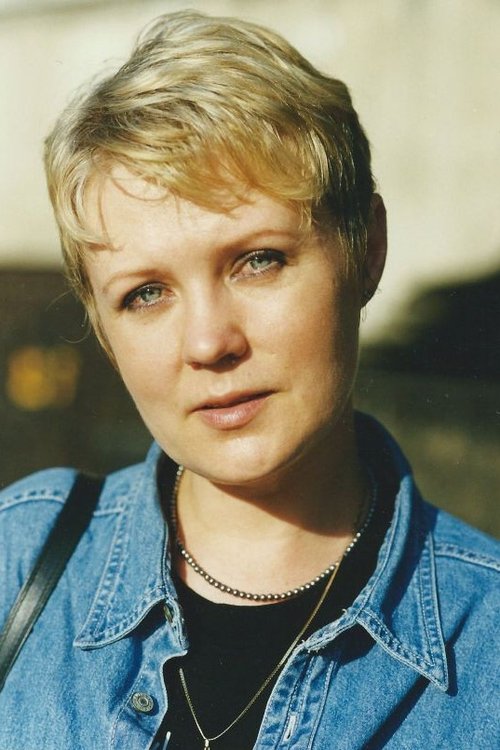 Tania Filip
as Veronica
 Dan Damian
as Tomoroagă