Celebrul 702
Released on Mon, October 22, 1962
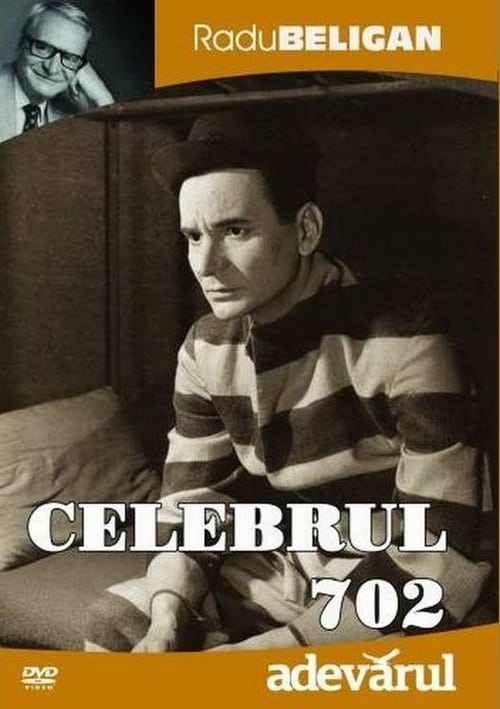
"Celebrul 702," a Romanian film, unfolds in the fictional nation of "Allergica," a place where corruption and criminal activity thrive. A powerful gang has orchestrated a significant heist, cleverly framing an individual known only as the Kid for the crime. As a consequence, the Kid finds himself incarcerated in the notorious "Bing-Bing" prison, awaiting execution for a crime he didn't commit. His future looks bleak, with the electric chair looming large.
However, fate intervenes in the Kid's dire situation. Just moments before his scheduled execution, his lawyer manages to secure a stay. He persuades the Kid to cooperate with a proposition from the Books & Books publishing house. The lawyer convinces the Kid that sharing his life story, particularly his experiences within the criminal underworld, could be a lucrative opportunity. This lifeline presents a glimmer of hope amidst his despair.
The director of Books & Books, recognizing the potential for a sensational memoir, offers the Kid a deal he hopes he can't refuse. They present him with what they call a "bonus to life," implying that his cooperation with the publishing house could lead to his eventual release. The catch, however, is that the Kid must play along with their narrative, likely focusing on the sensational aspects of his gangster life and potentially exaggerating or fabricating details to increase the book's appeal.
The publisher's intention is clear: they want a gripping, sensationalized account of the Kid's life as a gangster, one that will captivate readers and boost sales. They believe that focusing on the violence, betrayals, and intrigue of the criminal underworld will be a surefire recipe for success. They are willing to offer him a path to freedom, but only if he delivers the kind of story they desire.
But the Kid harbors different aspirations. He is not interested in perpetuating the glamorization of crime or in creating a fictionalized version of his life for the sake of profit. Instead, he desires to write about the authentic realities he has experienced, focusing on the themes of truth, human connection, and love. He wants to explore the complexities of human nature and the importance of genuine relationships.
Ultimately, the Kid's decision reveals his core values. He chooses to prioritize honesty and authenticity over personal gain. He seeks to use his voice to share a message of hope, connection, and the enduring power of love, even within the dark and corrupt world he inhabits. His refusal to compromise his principles sets the stage for a compelling narrative, exploring the clash between truth and manipulation, and the enduring human desire for genuine connection.
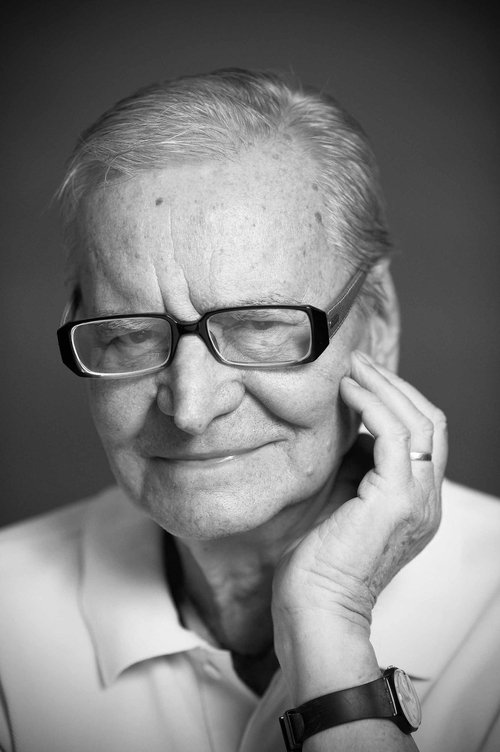 Radu Beligan
as Kid Sandman
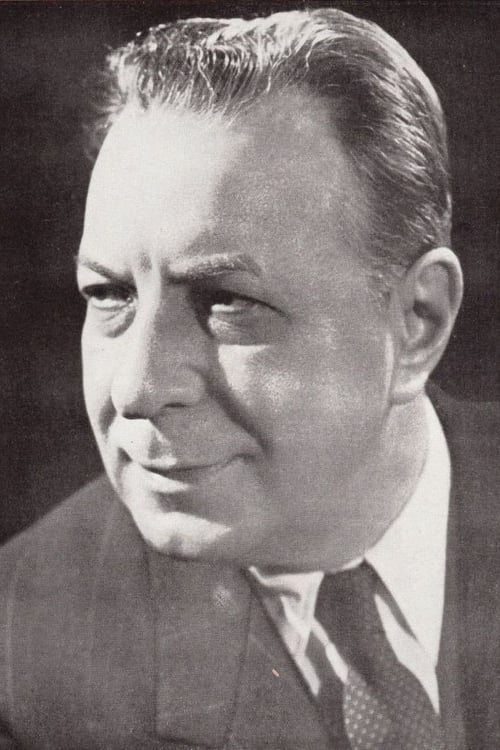
 Sanda Toma
as Diana
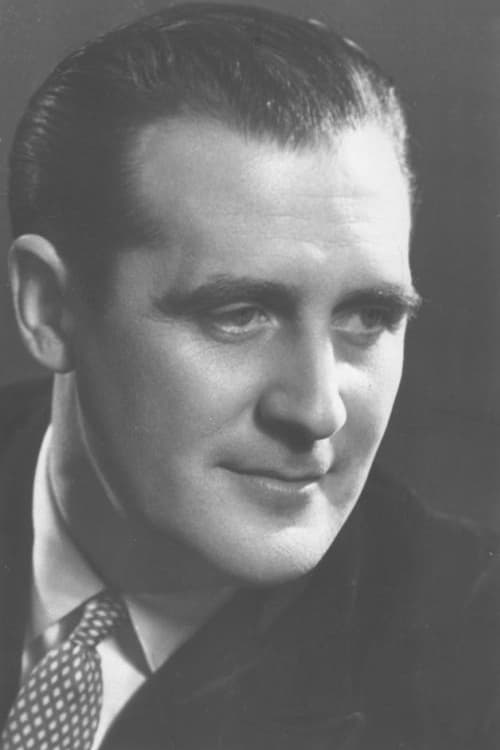 Mircea Șeptilici
as Harrison
 Nicolae Gărdescu
as Davis
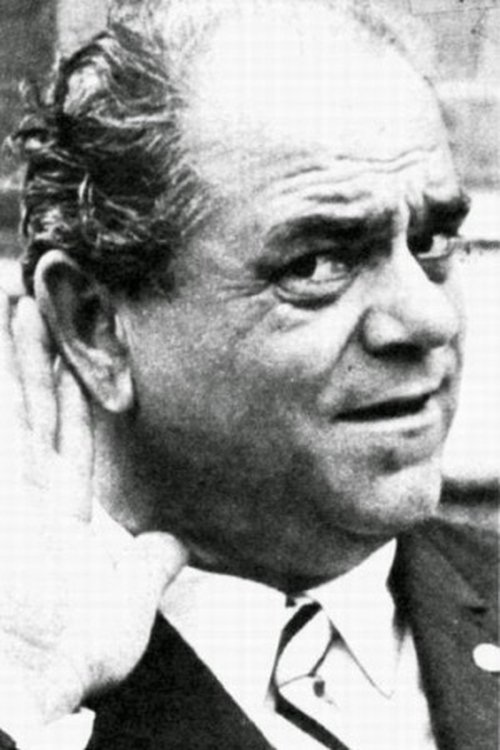 Ștefan Ciubotărașu
as Spike
 Jules Cazaban
as Jackson
Willy Ronea
as Gleen