Columna
Released on Fri, October 18, 1968
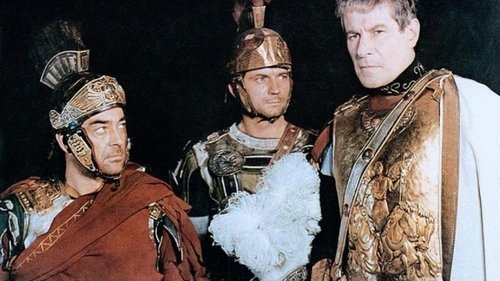
'Columna' is a Romanian historical drama film released in 1968, directed by Mircea Drăgan. It tells a sweeping story of the Roman conquest of Dacia and the subsequent integration of the Dacian people into Roman society. The film focuses on the Roman legions, led by the fictional General Tiberius, as they arrive in Dacia to establish Roman authority and construct a permanent presence. It portrays the clash between the highly organized Roman military and the fierce, freedom-loving Dacian tribes who resisted Roman domination. The film showcases the complex relationship between the conquerors and the conquered, highlighting both the brutality of war and the potential for cultural exchange and eventual cooperation.
The narrative follows the Roman soldiers as they build roads, fortresses, and infrastructure, effectively laying the foundations for a new Roman province. 'Columna' depicts the Roman ambition to not only control the land but also to civilize it, bringing with them their laws, customs, and architectural innovations. The film highlights the engineering prowess of the Romans, their dedication to building a lasting legacy, and their determination to establish a thriving Roman society within the conquered territory. It also explores the individual struggles and sacrifices of soldiers and civilians caught up in the grand historical drama.
The film doesn't shy away from depicting the harsh realities of war, showing the violence, death, and suffering inflicted on both sides of the conflict. It presents the Dacian resistance as a valiant effort to defend their homeland and their way of life, portraying their leaders as courageous figures who fought fiercely for their independence. While highlighting the Roman military superiority, the film also acknowledges the resilience and dignity of the Dacian people and their unwavering commitment to their traditions.
Beyond the battlefield, 'Columna' delves into the complexities of cultural assimilation and the emergence of a new Roman-Dacian identity. The film explores the interactions between Roman soldiers and Dacian women, the development of trade and commerce, and the gradual adoption of Roman customs by the Dacian population. It depicts a society in transition, where old ways are challenged and new identities are forged.
One of the major turning points in the history covered in the film occurs around 106 AD. This time period represents the conclusion of the Roman military campaigns in Dacia led by Emperor Trajan. With the final defeat of the Dacian kingdom, Rome secured its control over a significant portion of southwestern Dacia.
Following the cessation of hostilities, this newly acquired territory was formally designated as a Roman province, forever known as Roman Dacia. This pivotal moment is central to the film, showcasing the beginning of a new era for the region and its people under Roman rule. 'Columna' captures the essence of this transformative period, portraying the birth of a new Roman province out of the ashes of war and resistance.
 Richard Johnson
as comandantul roman Tiberius
 Antonella Lualdi
as Andrada, nobilă dacă

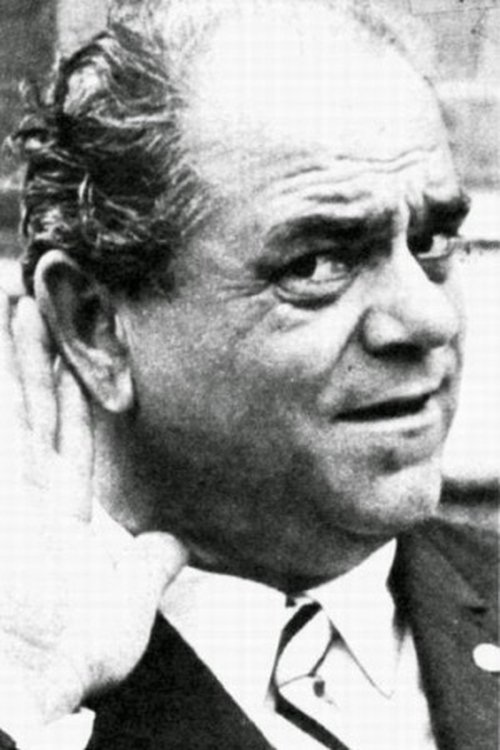 Ștefan Ciubotărașu
as Ciungu, căpetenie dacă
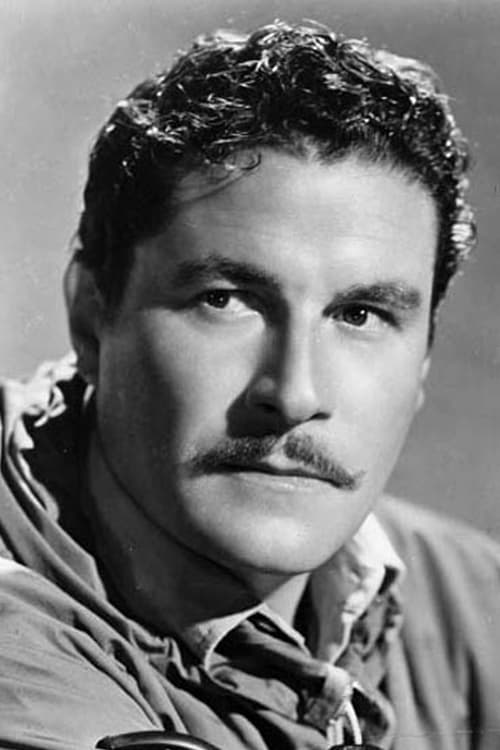 Amedeo Nazzari
as împăratul Traian

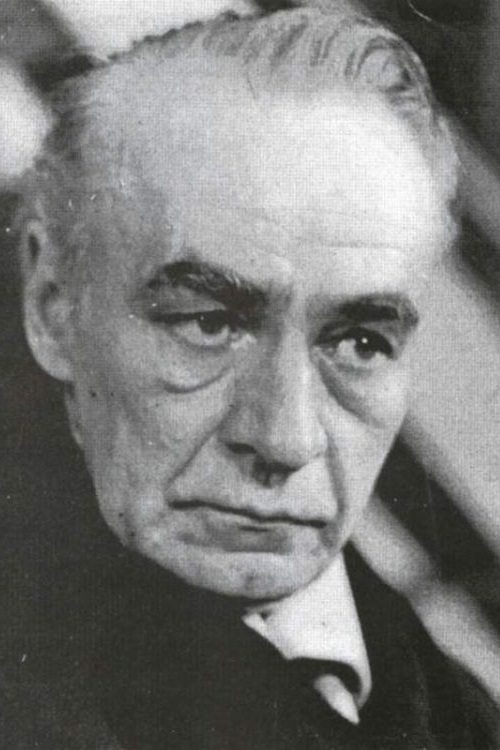 Emil Botta
as Marele Preot al dacilor
 Franco Interlenghi
as centurionul Optimus