Costa Rica Independence Day
On Sat, September 15, 1821
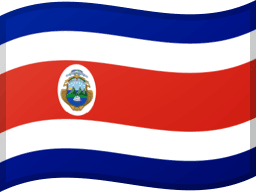
Costa Rica's Independence Day, celebrated annually on September 15th, marks the country's declaration of independence from Spain in 1821. However, unlike many other nations that fought fiercely for their freedom, Costa Rica's path to independence was relatively peaceful. The news of independence in Guatemala reached Costa Rica, along with other Central American provinces, and the decision to join the newly formed Federal Republic of Central America was made without bloodshed. While technically declared independently, Costa Rica's initial independence was shared with other Central American nations.
It's important to note that September 15th is not just Costa Rica's Independence Day; it is also celebrated as such by Guatemala, Honduras, Nicaragua, and El Salvador. This shared date reflects the unified declaration of independence for the entire Central American region. The news, rather than a formal military victory, spurred the local leaders to embrace independence, marking a unique characteristic of this historical event. This collective liberation shaped the political landscape of Central America for years to come.
The celebrations surrounding Independence Day are filled with national pride, cultural displays, and vibrant traditions. The most prominent and beloved tradition is the \"Desfile de Faroles\" or Lantern Parade, held on the evening of September 14th. Children, families, and communities create elaborate paper lanterns, often adorned with national symbols and colors, and parade through the streets, singing patriotic songs and celebrating the upcoming day. This illuminated procession symbolizes the spreading of the news of independence throughout the country.
 On September 15th itself, the country comes alive with parades featuring marching bands, colorful floats, and students dressed in traditional attire. These parades showcase the nation's history, culture, and values, fostering a strong sense of national unity and pride. Public buildings and homes are adorned with the Costa Rican flag, and patriotic music fills the air. The day is a testament to the country's unique journey to independence and its commitment to peace and democracy.
Schoolchildren play a vital role in the Independence Day celebrations. They practice diligently for weeks leading up to the event, preparing musical performances, dances, and historical reenactments. These activities instill in them a deep understanding of their nation's history and the significance of independence. The children's participation is a powerful symbol of the future generation's commitment to upholding the values and principles of their country.
In essence, Costa Rica's Independence Day is more than just a historical commemoration; it is a celebration of national identity, peaceful progress, and cultural heritage. The day serves as a reminder of the country's unique path to freedom and its ongoing commitment to democracy, peace, and unity. The vibrant traditions and enthusiastic participation of the Costa Rican people make Independence Day a truly special and memorable event for the entire nation.