Dance To The Music by Sly & the Family Stone
Released on Fri, November 17, 1967

"Dance to the Music," released in 1967, marked a pivotal moment for Sly & the Family Stone, propelling them from a local San Francisco act to national sensation. The song is a joyous explosion of funk, rock, soul, and psychedelia, a testament to the band's groundbreaking fusion of genres. It's not just a song to listen to, it's an invitation to participate, a call to abandon inhibitions and move with the infectious rhythm. It was their first significant chart success, peaking at number 8 on the Billboard Hot 100, and served as the title track for their second album.
The song's structure is unconventional, a deliberate departure from typical pop song formulas. Rather than focusing on a traditional verse-chorus arrangement, "Dance to the Music" is built around a series of instrumental breaks, each showcasing a different member of the Family Stone. Sly Stone, the band's mastermind, cleverly introduces each musician with a shout-out, creating a sense of camaraderie and collective energy. Larry Graham's innovative slap bass, Freddie Stone's funky guitar riffs, Cynthia Robinson's soaring trumpet, Jerry Martini's raucous saxophone, Rose Stone's soulful vocals, and Greg Errico's driving drums all contribute to the song's unique sonic landscape.
Lyrically, the song is simple and direct, eschewing complex narratives in favor of a universal message of unity and celebration. The chorus, "All we need is a drummer for people who only need a beat/I'm gonna add a little guitar, make it easy to move your feet/I'm gonna add some bottom so that the dancers just won't hide/Gonna add a little more top but they still try to ride," is a minimalist manifesto, a testament to the power of music to transcend boundaries and bring people together. The repeated phrase "Dance to the Music" is an irresistible command, an invitation to let loose and embrace the liberating power of rhythm.
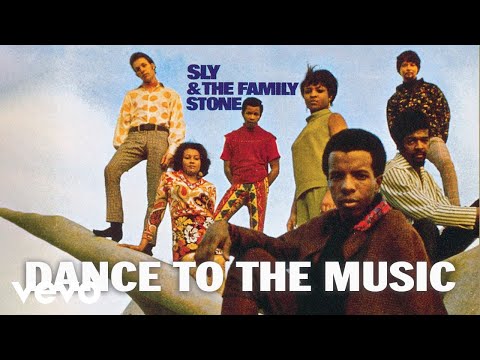 The impact of "Dance to the Music" extended far beyond its immediate chart success. It became an anthem for the burgeoning counterculture movement, a soundtrack for a generation yearning for peace, love, and unity. The song's message of inclusivity resonated deeply with audiences, particularly in a time of social and political upheaval. Sly & the Family Stone, with their multiracial and co-ed lineup, became a symbol of the ideals they espoused, demonstrating the power of diversity to create something truly unique and powerful.
The song's influence can be heard in countless subsequent funk, soul, and hip-hop tracks. Its innovative use of rhythm, its emphasis on instrumental interplay, and its infectious energy have inspired generations of musicians. Artists like Prince, Red Hot Chili Peppers, and even Beyoncé have cited Sly & the Family Stone as a major influence, drawing inspiration from their innovative sound and their commitment to breaking down musical and social barriers.
"Dance to the Music" remains a timeless classic, a testament to the power of music to transcend generations. Its infectious energy, its simple message of unity, and its groundbreaking fusion of genres continue to resonate with audiences today. It's a song that makes you want to move, to celebrate, and to embrace the joy of being alive. More than just a catchy tune, it is a testament to the power of music to bridge divides, unite people, and inspire positive change.