El Salvador Independence Day
On Sat, September 15, 1821
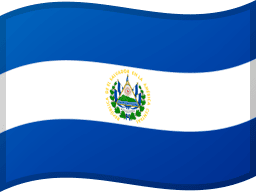
El Salvador's Independence Day, celebrated annually on September 15th, commemorates the nation's liberation from Spanish colonial rule. This date marks the anniversary of the signing of the Central American Declaration of Independence in 1821, which declared independence for the entire Captaincy General of Guatemala, encompassing present-day Guatemala, El Salvador, Honduras, Nicaragua, and Costa Rica. While El Salvador wasn't solely responsible for the declaration, it fully embraced the movement and joined the other Central American nations in their pursuit of self-governance.
The path to independence was fueled by growing resentment towards Spanish economic policies and restrictive trade practices that stifled regional growth. Criollos, individuals of Spanish descent born in the Americas, increasingly felt marginalized and yearned for greater political and economic autonomy. Enlightenment ideals of liberty, equality, and self-determination also spread throughout the region, inspiring revolutionary movements. The Napoleonic Wars in Europe further weakened Spain's control over its colonies, creating an opportune moment for independence movements to flourish.
El Salvador's road to complete sovereignty wasn't immediate after the initial declaration. Following independence from Spain, the country initially joined the Federal Republic of Central America, a political union formed to unite the newly independent states. However, this federation proved to be unstable, plagued by internal conflicts and power struggles among the different republics.
 The Federal Republic ultimately dissolved in 1841, and El Salvador declared its full independence as a sovereign nation. This marked the beginning of a long and often turbulent period in the country's history, characterized by civil wars, political instability, and economic challenges. Despite these hardships, the spirit of independence and the pursuit of a better future have remained central to the Salvadoran national identity.
Today, El Salvador Independence Day is a vibrant and festive occasion filled with national pride. Throughout the country, parades featuring students, military personnel, and community groups march through city streets, showcasing colorful traditional costumes, music, and dance. The national flag is proudly displayed, and patriotic speeches and ceremonies are held to honor the heroes of independence and celebrate the nation's heritage.
Beyond the formal celebrations, El Salvador Independence Day is a time for families and friends to come together and enjoy traditional Salvadoran cuisine, participate in cultural events, and reflect on the country's history and progress. It's a day to acknowledge the sacrifices made to achieve freedom and reaffirm the commitment to building a stronger, more prosperous, and just El Salvador for future generations.