Fiji Independence Day
On Sat, October 10, 1970
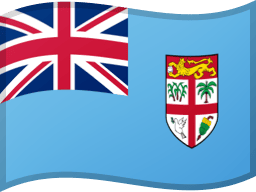
Fiji Independence Day, celebrated annually on October 10th, commemorates the day Fiji gained its independence from the United Kingdom in 1970. This pivotal moment marked the end of 96 years of British colonial rule, ushering in a new era of self-determination and national sovereignty for the island nation. The event is a source of immense pride and national unity, fostering a strong sense of belonging amongst Fijians both at home and abroad.
The lead-up to independence involved years of negotiations and constitutional reforms to establish a framework for a democratic and representative government. Ratu Sir Kamisese Mara, considered the founding father of modern Fiji, played a crucial role in these discussions, leading the Alliance Party, which championed the cause of independence. These negotiations resulted in a new constitution that aimed to balance the diverse interests of Fiji's multi-ethnic population, including indigenous Fijians, Indo-Fijians, and other ethnic groups.
On October 10th, 1970, the Fijian flag was officially raised, replacing the Union Jack, symbolizing the nation's newfound freedom and autonomy. The occasion was met with jubilation and celebrations across the islands. Dignitaries from around the world attended the ceremony, acknowledging Fiji's entry into the international community as a sovereign nation.
Fiji Independence Day is a vibrant and joyous occasion marked by a variety of festivities throughout the country. These include colorful parades showcasing traditional Fijian culture, music, and dance performances. Communities organize street parties, feasts featuring traditional Fijian cuisine, and various sporting events. The day is also an opportunity for reflection on the nation's progress and challenges since independence.
Schools and educational institutions often incorporate cultural performances and historical lessons into their curriculum during the week leading up to Independence Day, educating younger generations about the significance of the event and its importance to Fijian identity. Many families display the Fijian flag proudly outside their homes and businesses, demonstrating their patriotism and national pride.
Beyond the celebrations, Fiji Independence Day serves as a reminder of the ongoing need to foster national unity, address social and economic challenges, and uphold the principles of democracy and good governance. It is a day to celebrate the nation's past achievements, acknowledge the complexities of its present, and look forward with hope and determination towards a brighter future for all Fijians.