Florian Pittiș
Born on Mon, October 4, 1943
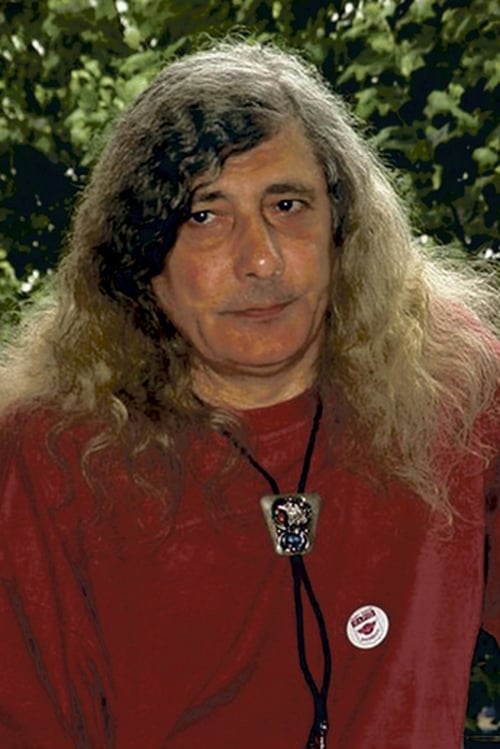
Florian Pittiș (October 4, 1943 – August 5, 2007) was a towering figure in Romanian culture, a multifaceted artist who excelled as an actor, director, translator, theatrical manager, folk singer, and radio personality. He was known for his captivating voice, his intellectual depth, and his unwavering dedication to artistic expression. Pittiș was a charismatic presence on stage and screen, captivating audiences with his intense performances and his ability to bring complex characters to life. He possessed a rare blend of sensitivity and strength, which allowed him to connect with viewers on a deeply emotional level.
As an actor, Pittiș graced the stages of some of Romania's most prestigious theaters, including the Bulandra Theatre and the National Theatre Bucharest. He tackled a wide range of roles, from classical tragedies to contemporary dramas, showcasing his versatility and commitment to his craft. His performances were often described as electrifying, characterized by a raw emotional power and a nuanced understanding of human psychology. He breathed life into iconic characters, leaving an indelible mark on Romanian theater history.
Beyond his stage work, Pittiș also made significant contributions to Romanian cinema. He appeared in numerous films, collaborating with renowned directors and leaving his own unique stamp on each role. His film performances were characterized by the same intensity and depth that he brought to the stage, making him a compelling and memorable presence on screen. He had a knack for portraying both sympathetic and villainous characters with equal conviction, solidifying his reputation as a versatile and talented actor.
However, Pittiș was perhaps best known for his profound impact on Romanian folk music. He was a key figure in the revival of traditional folk music during the communist era, using his music to express sentiments of freedom and cultural identity. His distinctive voice, coupled with his poignant lyrics, resonated deeply with the Romanian people, particularly the youth. He became a symbol of resistance and a voice for those who yearned for a more open and just society. He was often referred to as "Moțu" (meaning "a person from the mountains"), a nickname that symbolized his connection to the Romanian folk tradition.
In addition to his performing arts endeavors, Pittiș was a highly respected translator, bringing the works of influential authors to Romanian audiences. He translated works by Bob Dylan, Leonard Cohen, and other prominent artists, contributing to the cultural landscape of Romania. His translations were not merely literal renderings of the original texts; he imbued them with his own artistic sensibility, capturing the spirit and essence of the original works. His dedication to translation showcased his commitment to broadening horizons and fostering cultural exchange.
Florian Pittiș's sudden passing in 2007 left a void in Romanian culture. He was a unique and irreplaceable talent, a true Renaissance man who made invaluable contributions to theater, film, music, and translation. His legacy continues to inspire artists and audiences alike, and his work remains a testament to the power of art to transcend boundaries and connect people on a profound level. He is remembered not only as a gifted performer but also as a courageous and passionate individual who used his talents to enrich the lives of others and to advocate for freedom of expression.
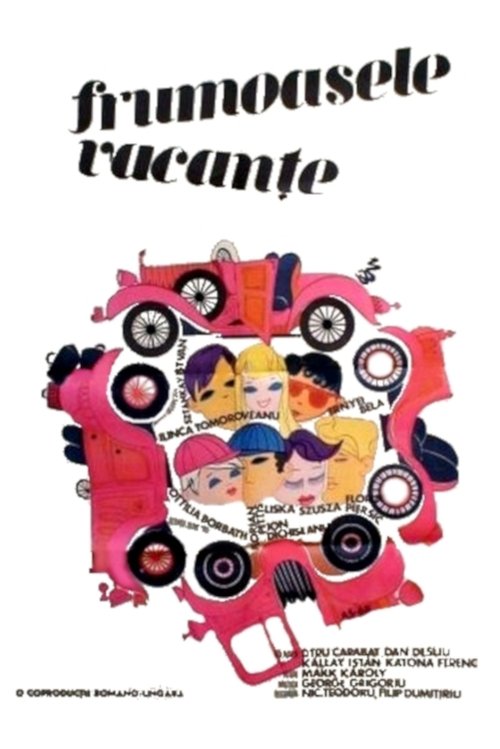 A Cloudless Vacation
as Puiu
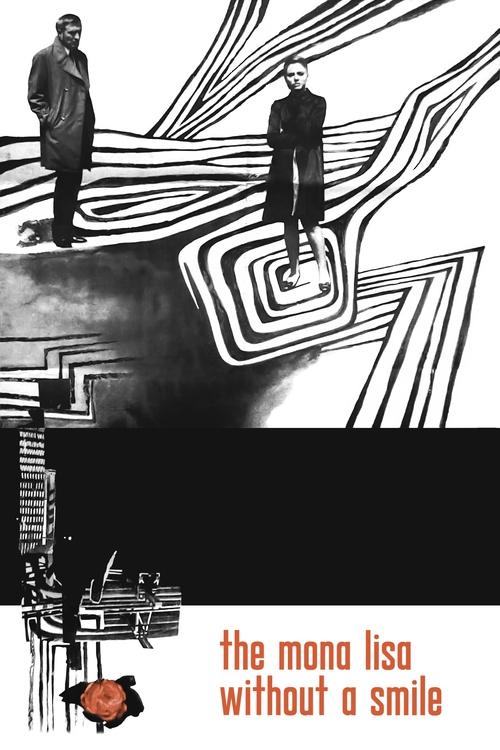 The Mona Lisa Without a Smile
as Tanarul
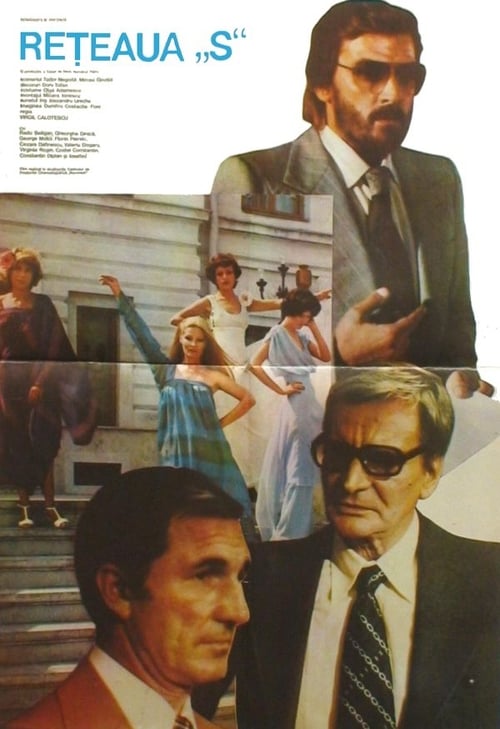 The "S" Network
as
 Serenade for the 12th Floor
as Radu
 Venice Is Beautiful In September
as