Good Morning, Vietnam
Released on Wed, December 23, 1987
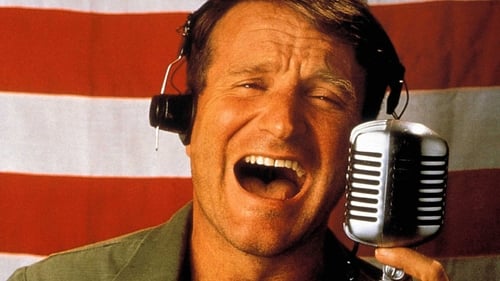
"Good Morning, Vietnam" chronicles the experiences of Adrian Cronauer, a vibrant and unconventional radio DJ dispatched to Saigon in 1965 to revitalize the Armed Forces Radio Service (AFRS). Cronauer arrives with the mission of boosting morale among American troops stationed amidst the escalating conflict. His approach is immediately distinct from the staid and predictable programming that previously characterized the AFRS, injecting a much-needed dose of irreverence and contemporary music into the airwaves.
Cronauer's unconventional style quickly resonates with the soldiers. He abandons the stiff formalities of traditional radio, peppering his broadcasts with rapid-fire humor, celebrity impersonations, and a playlist featuring popular rock and roll hits. His signature greeting, a boisterous "Goooood Morning, Vietnam!" becomes a rallying cry for the troops, who are hungry for a connection to home and a break from the grim realities of war. He offers them a glimpse of normalcy and a reminder of what they are fighting for.
However, Cronauer's popularity is not universally celebrated within the ranks of the AFRS. His superiors, particularly Lieutenant Hauk, a humorless and rigid officer, find his antics disruptive and unprofessional. They perceive his comedic style as undermining the seriousness of the situation and violating the established protocols of military broadcasting. Hauk's traditionalist perspective clashes sharply with Cronauer's desire to entertain and connect with the soldiers on a personal level.
 The conflict between Cronauer's free-spirited broadcasting and the military's desire for control intensifies throughout the film. His attempts to inject humor into news reports and his willingness to report on the realities of the war, rather than sanitizing them for public consumption, further alienate his superiors. They see him as a threat to their authority and an unpredictable element that could potentially undermine public support for the war effort.
Beyond the radio station, Cronauer seeks to immerse himself in Vietnamese culture, learning the language and making friends with locals. This leads him to discover the complexities and nuances of the war that are often absent from official reports. His experiences outside the controlled environment of the AFRS broaden his perspective and deepen his understanding of the human cost of the conflict.
Ultimately, "Good Morning, Vietnam" is a powerful story about the clash between individuality and conformity, the importance of humor in times of adversity, and the human connections that can be forged even amidst the chaos of war. While the radio station is his primary arena, the film explores the larger context of the Vietnam War, highlighting the struggles of the soldiers, the cultural divide, and the complexities of truth and propaganda. It's a testament to the power of a single voice to make a difference, even in the face of powerful opposition.
 Forest Whitaker
as Edward Garlick
 Tom T. Tran
as Tuan
 Chintara Sukapatana
as Trinh
 Bruno Kirby
as Lt. Steven Hauk
 Robert Wuhl
as Marty Lee Dreiwitz
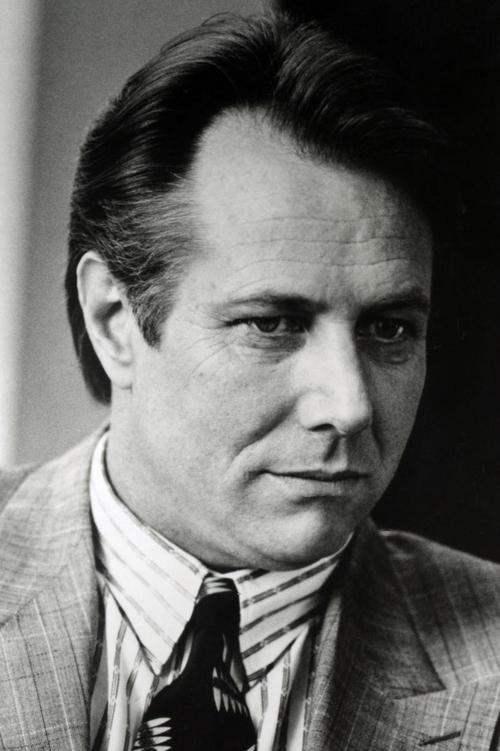 J. T. Walsh
as Sgt. Major Dickerson
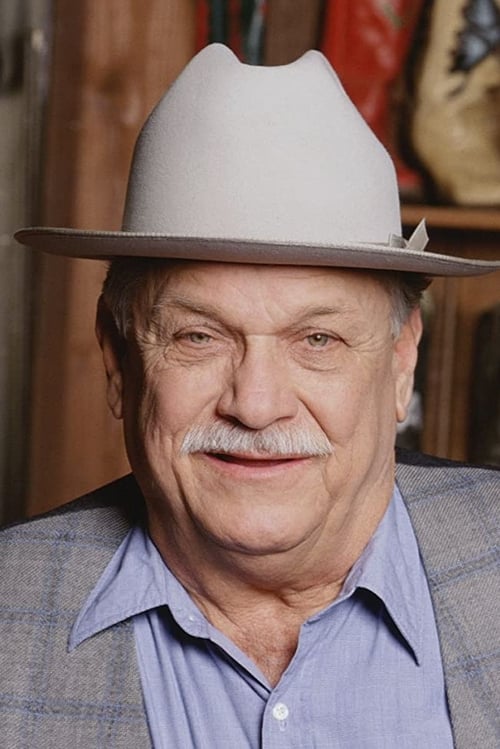 Noble Willingham
as Gen. Taylor