Guatemala Independence Day
On Wed, September 15, 1869
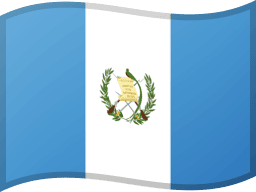
Guatemala's Independence Day, celebrated annually on September 15th, marks the country's liberation from Spanish colonial rule in 1821. It's a day brimming with national pride, historical reflection, and vibrant cultural expressions. The significance of this day extends beyond just Guatemala, as it also commemorates the independence of El Salvador, Honduras, Nicaragua, and Costa Rica, all of whom declared their freedom simultaneously in what was then the Captaincy General of Guatemala. This collective declaration showcases a shared history and a unified desire for self-determination in the face of colonial oppression.
The historical context leading up to Guatemala's independence is crucial to understanding the profound meaning of this day. For centuries, the region had been subjected to Spanish control, enduring economic exploitation, social stratification, and political marginalization. Inspired by the burgeoning independence movements across Latin America, particularly in Mexico and South America, the people of Guatemala began to clamor for their own sovereignty. The seeds of revolution were sown by intellectual elites who disseminated Enlightenment ideals of liberty and equality, while the economic grievances of the indigenous population and marginalized groups fueled the fire of discontent.
The events of September 15th, 1821, unfolded relatively peacefully in Guatemala City. A gathering of prominent figures, including representatives from various provinces, convened to discuss the possibility of independence. Under the leadership of figures like Gabino Gaínza, the Captain General of Guatemala, and José Cecilio del Valle, a renowned intellectual, the declaration of independence was drafted and ratified. While the transition was less violent than in other parts of Latin America, the declaration marked a momentous shift in the region's history, severing ties with Spain and ushering in an era of self-governance, albeit with its own challenges.
 Today, Guatemala's Independence Day is a spectacle of national fervor. Across the country, towns and cities erupt in a kaleidoscope of colors, music, and festivities. Schools and civic organizations organize parades showcasing traditional dances, vibrant costumes, and patriotic floats. The rhythmic beat of marimba music fills the air, a sound intrinsically linked to Guatemalan identity. The "Antorcha de la Independencia," or Torch of Independence, is carried throughout the country by relay runners, symbolizing the flame of liberty passed down through generations.
Food plays a central role in the celebrations, with traditional Guatemalan dishes taking center stage. Families gather to feast on dishes like "pepián," a rich meat stew, "tamales," steamed corn dough wrapped in banana leaves, and "atol de elote," a sweet corn drink. These culinary traditions are not merely sustenance; they are a tangible expression of cultural heritage and a way to connect with the past. The communal sharing of these dishes reinforces a sense of unity and collective identity.
Guatemala's Independence Day is more than just a holiday; it's a testament to the enduring spirit of a nation that fought for its freedom and continues to strive for a better future. It's a day to remember the sacrifices of those who paved the way for independence and to reflect on the challenges and opportunities that lie ahead. The celebrations serve as a reminder of the importance of national unity, cultural pride, and the pursuit of justice and equality for all Guatemalans. The day fosters a sense of belonging and strengthens the bonds that tie the nation together, ensuring that the flame of independence continues to burn brightly for generations to come.