Guinea-Bissau Independence Day
On Mon, September 24, 1973
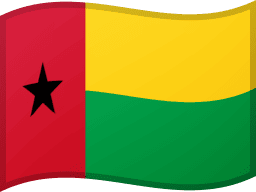
Guinea-Bissau Independence Day, celebrated annually on September 24th, marks the anniversary of the country's unilateral declaration of independence from Portugal in 1973. This day is a source of immense national pride and commemorates the culmination of a long and arduous struggle for liberation from colonial rule. It is a time for reflection on the sacrifices made by countless individuals who fought for freedom and self-determination, and a celebration of the nation's sovereignty and its right to chart its own course.
The path to independence for Guinea-Bissau was fraught with challenges and resistance. Portuguese colonialism had been deeply entrenched in the region for centuries, and the ruling power was unwilling to relinquish its control without a fight. The nationalist movement, led by the Partido Africano da Independência da Guiné e Cabo Verde (PAIGC), under the leadership of Amílcar Cabral, initiated an armed struggle in 1963. The PAIGC employed guerrilla warfare tactics, gaining control over significant portions of the country.
By the early 1970s, the PAIGC had effectively established a functioning government in the liberated zones, providing essential services and developing institutions. In a bold move, on September 24, 1973, the PAIGC declared Guinea-Bissau independent from Portugal, a move that was immediately recognized by several African and socialist nations. This declaration was a pivotal moment, signaling the irreversible shift towards sovereignty and challenging the legitimacy of Portuguese rule.
The declaration of independence did not immediately end the conflict. The Portuguese colonial forces continued to fight, but the PAIGC's control over the majority of the country was undeniable. It wasn't until the Carnation Revolution in Portugal in April 1974, a military coup that overthrew the authoritarian regime, that the door opened for negotiations and a formal recognition of Guinea-Bissau's independence.
Formal recognition of Guinea-Bissau's independence came on September 10, 1974, through the Algiers Agreement, signed by Portugal and the PAIGC. This agreement officially ended the war and paved the way for the establishment of diplomatic relations. While September 10th marks the formal recognition, September 24th remains the most significant day in the nation's calendar, symbolizing the courage and determination of the Guinean people in forging their own destiny.
Guinea-Bissau Independence Day is celebrated with parades, cultural performances, speeches, and community gatherings. The national flag is proudly displayed, and citizens come together to honor the heroes of the liberation struggle and reflect on the progress the nation has made since independence. It is a time to reaffirm national unity and commitment to building a prosperous and democratic future for Guinea-Bissau. Despite facing ongoing challenges, the spirit of independence remains a powerful force in shaping the nation's identity and aspirations.