Hurt by Johnny Cash
Released on Tue, November 5, 2002

Johnny Cash's rendition of "Hurt" is a powerful and emotionally resonant cover song that transcends its original creator, Trent Reznor of Nine Inch Nails. Released in 2002 on Cash's album *American IV: The Man Comes Around*, the song became a signature piece of his later career, often viewed as a poignant reflection on mortality, regret, and the weight of experience. While Reznor wrote the song from a place of personal struggle and addiction, Cash imbued it with a depth of meaning informed by his own long and tumultuous life, giving it a universal appeal that resonated with audiences across generations.
The song's stark and minimalist arrangement, featuring primarily acoustic guitar, piano, and Cash's weathered vocals, amplifies the raw emotionality of the lyrics. Producer Rick Rubin's masterful hand in shaping the soundscape allows Cash's voice to take center stage, highlighting every crack, tremor, and inflection. This vulnerability is central to the song's impact, conveying a sense of fragility and introspection that is deeply affecting. Gone are the bombastic electronic elements of the Nine Inch Nails original, replaced with a more intimate and stripped-down approach that forces the listener to confront the stark realities of the lyrics.
The lyrics themselves are a searing exploration of self-inflicted wounds and the lingering pain of past actions. Lines like "I hurt myself today, to see if I still feel," and "Everyone I know goes away in the end," speak to a deep sense of isolation and despair. Cash's delivery, however, adds layers of complexity to these already potent words. He doesn't simply sing them; he embodies them, conveying a sense of weariness and resignation that comes from a life lived to its fullest, with all its triumphs and failures.
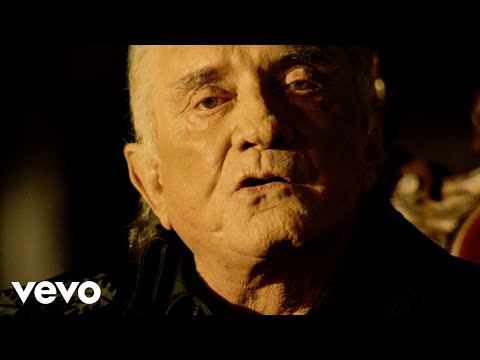 The accompanying music video, directed by Mark Romanek, further cemented the song's legacy. It juxtaposes images of Cash performing in his home with archival footage from his life, showcasing both the glory and the hardship of his career. Shots of decaying fruit and dilapidated buildings serve as metaphors for the passage of time and the inevitable decline of physical form. The video is a stark and unflinching portrait of a man confronting his own mortality, making it a powerful and unforgettable visual companion to the song.
The video, in particular, brought the song into the mainstream conscience, introducing a new generation to Johnny Cash and showcasing the power of music to connect across genres and generations. It won numerous awards and accolades, solidifying its place as one of the most iconic music videos of all time. The visual representation of Cash's vulnerability and acceptance of his own mortality resonated deeply with viewers, further amplifying the emotional impact of the song.
Ultimately, Johnny Cash's "Hurt" is more than just a cover song; it's a powerful statement on the human condition. It's a testament to the transformative power of music and the ability of artists to find new depths of meaning in existing works. The song's enduring popularity is a testament to its universal themes of pain, regret, and redemption, and to the enduring legacy of Johnny Cash, the Man in Black, who bared his soul and gave us a song that will continue to resonate with listeners for generations to come.