Iarba verde de acasă
Released on Mon, December 5, 1977
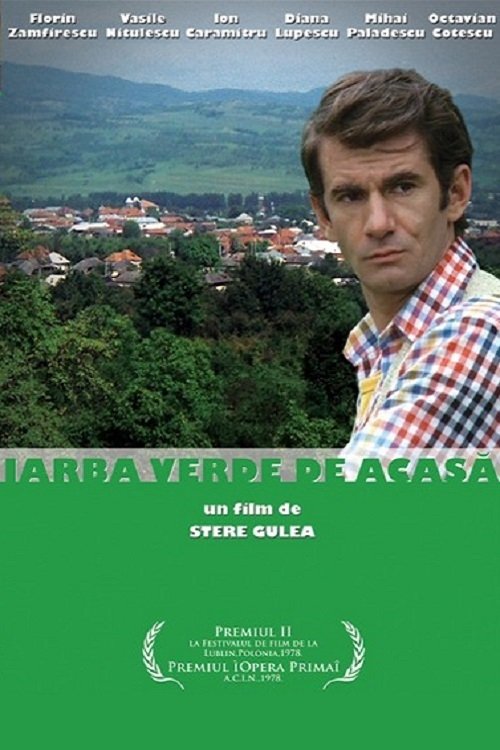
"Iarba verde de acasă" (The Green Grass of Home), often referred to as "Homecoming" in English, is a Romanian film that tackles themes of disillusionment, reconnection with roots, and the search for personal fulfillment. At its core, the movie presents a character grappling with a moral crisis that forces him to re-evaluate his life.
The film's central narrative is spurred by the protagonist's rigid stance against ethical compromises in his professional life. A professor at a university, he finds himself unable to bend to the pressures or accept behaviors that contradict his principles. This unwavering commitment to integrity ultimately leads to a breaking point, forcing him to make a drastic change.
Seeking solace and a fresh start, the professor decides to abandon his urban existence. His decision isn't born of a desire for adventure, but rather from a need to escape the compromises and corruption that have poisoned his professional life. He craves authenticity, something he feels is lacking in the city.
Driven by this longing for something real, the professor makes the significant choice to return to his ancestral village, a place he hasn't seen for a considerable amount of time. This homecoming is not simply a geographical shift; it's a journey inward, a search for meaning and identity tied to his origins.
The return to his village allows the professor to confront his past and reconnect with the simple rhythms of rural life. He encounters familiar faces, forgotten memories, and a way of life that stands in stark contrast to the complexities and moral ambiguities of the city he left behind.
Ultimately, "Iarba verde de acasă" explores the profound impact of one's environment on their sense of self and the enduring power of returning to one's roots. The professor's journey is a testament to the human need for authenticity and the search for a place where one can truly belong, free from the compromises that can erode the soul.
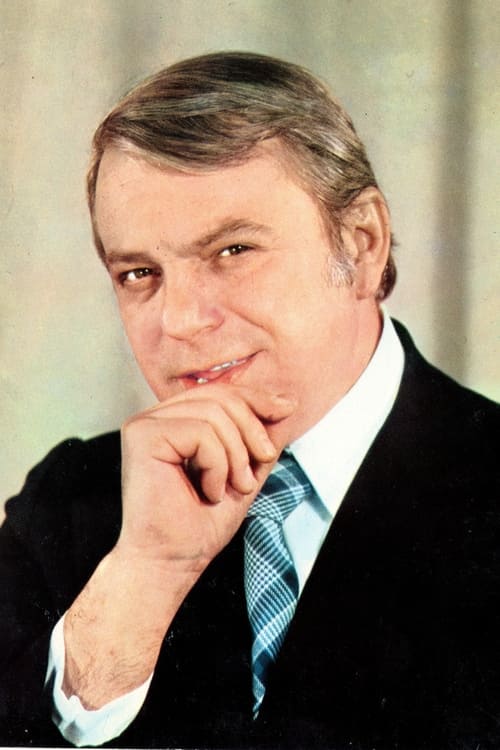
 Vasile Nițulescu
as țăranul Serafim Corici, tatăl lui Ștefan
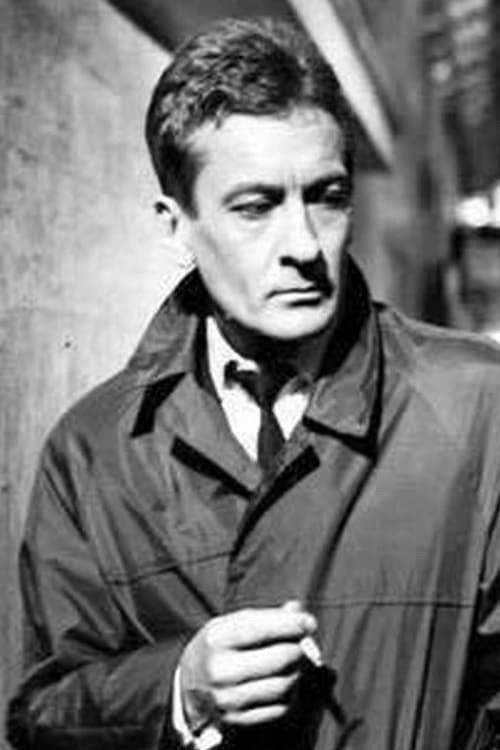 Mihai Pălădescu
as profesorul Tudor Nedelcu, directorul școlii
 Mariana Cabanov
as învățătoarea