Iceland Independence Day
On Sun, December 1, 1918
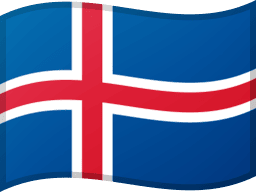
Iceland's Independence Day, celebrated annually on June 17th, marks the country's liberation from Danish rule and the establishment of the Republic of Iceland in 1944. This pivotal event in Icelandic history represents the culmination of centuries of yearning for self-determination and the tireless efforts of individuals who fought for national sovereignty. It is a day of immense national pride, reflecting Iceland's unique identity, culture, and unwavering spirit.
The date of June 17th was deliberately chosen to honor Jón Sigurðsson, a key figure in Iceland's independence movement. Sigurðsson, born on June 17, 1811, was a respected scholar and statesman who dedicated his life to advocating for Icelandic autonomy within the Danish kingdom. He championed constitutional reform and tirelessly argued for Iceland's right to manage its own affairs. His birthday serves as a powerful symbol of the struggle for independence and a reminder of the sacrifices made by previous generations.
The road to independence was a long and arduous one. Iceland had been under Norwegian rule until 1380, when it came under the control of Denmark. Over the centuries, a strong sense of national identity persisted, and the desire for self-governance gradually grew. By the early 20th century, the independence movement had gained significant momentum, fueled by a growing sense of national pride and a desire to break free from foreign domination.
During World War II, Denmark was occupied by Nazi Germany, creating a unique opportunity for Iceland to assert its independence. In 1944, a referendum was held, with an overwhelming majority of Icelanders voting in favor of dissolving the union with Denmark and establishing a republic. On June 17, 1944, in Þingvellir National Park, the Icelandic parliament formally declared the establishment of the Republic of Iceland, marking a new chapter in the nation's history.
Today, Iceland Independence Day is a vibrant and joyous celebration, marked by parades, speeches, and cultural events across the country. National flags are proudly displayed, and traditional Icelandic music and dance fill the air. Families gather to enjoy picnics and festivities, and children participate in games and activities. The President of Iceland often delivers a national address, reflecting on the significance of the day and highlighting the achievements of the Icelandic people.
Beyond the festivities, Independence Day serves as a crucial reminder of the values of freedom, democracy, and national identity. It's a day to reflect on the sacrifices made by those who came before and to reaffirm the commitment to safeguarding Iceland's independence and sovereignty for future generations. It's a celebration of Icelandic culture, history, and the enduring spirit of a nation that has overcome numerous challenges to forge its own path in the world.