In Our Village
Released on Thu, September 20, 1951
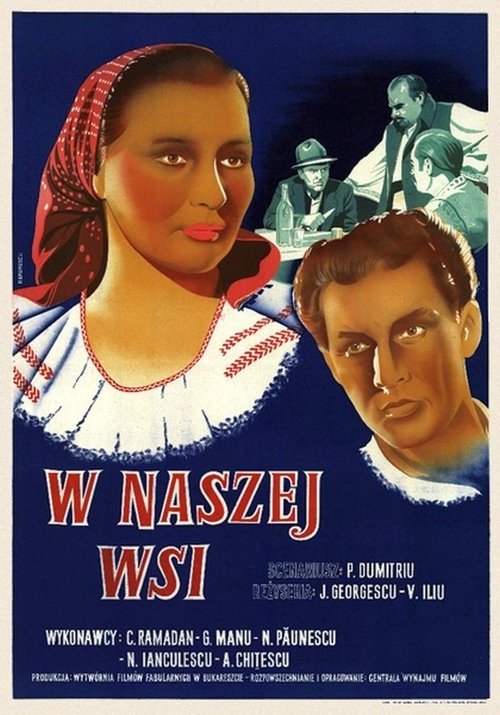
"În sat la noi" (In Our Village), a Romanian film, delves into the turbulent era of agricultural collectivization in the Romanian countryside. The narrative vividly portrays the deep schism that emerged within rural communities as the communist regime pushed forward with its policies. This division, stemming from differing opinions on the merits and consequences of collectivizing land and resources, fundamentally altered the social fabric of villages.
At the heart of the film lies the conflict between those villagers who resisted the imposition of collective farming and those who supported or succumbed to the pressure to join the collective farms, known as "cooperative agricultural production associations" (CAP). This wasn't simply a matter of economic disagreement; it was a clash of ideologies, values, and deeply held beliefs about land ownership and traditional ways of life.
The movie illustrates the escalating tensions between the opposing factions as they engage in passionate and increasingly bitter arguments. These debates, initially focused on economic benefits and potential drawbacks, soon become charged with emotion and personal animosity. The film effectively captures the atmosphere of fear and suspicion that permeated village life during this period.
 The initial disagreements regarding the pros and cons of collectivization subsequently turned very sinister. The arguments between those who favored and those who opposed the new agricultural system grew increasingly intense, eventually resulting in a tragedy.
The intense animosity depicted in the film, fueled by fear, coercion, and genuine ideological differences, ultimately leads to tragic consequences. The debates are not simply academic exercises; they represent a struggle for the very soul of the village.
Ultimately, the film powerfully conveys how political discord in the countryside boiled over into violence. The movie shows how, in some instances, it caused the peasants to kill one another. The movie serves as a stark reminder of the human cost of political upheaval and the devastating consequences of ideological division within a community.
 Constantin Ramadan
as Ion Lepădat
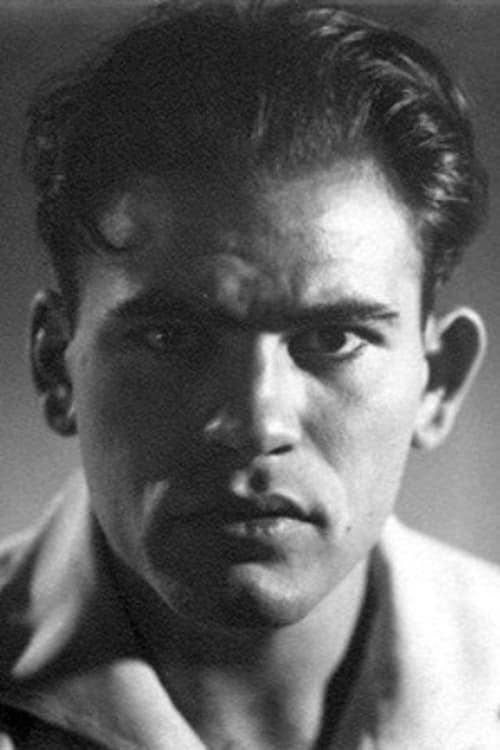 Liviu Ciulei
as Dumitru
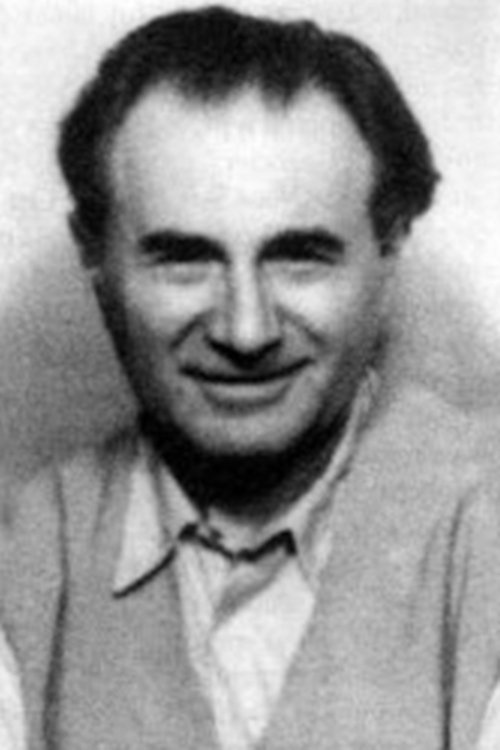 Andrei Codarcea
as Farmhand Mihăilă
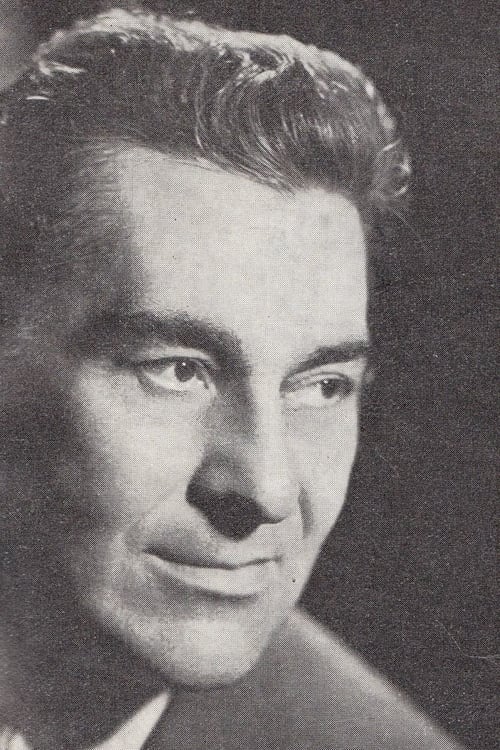 Nucu Păunescu
as Sârbu Iacov
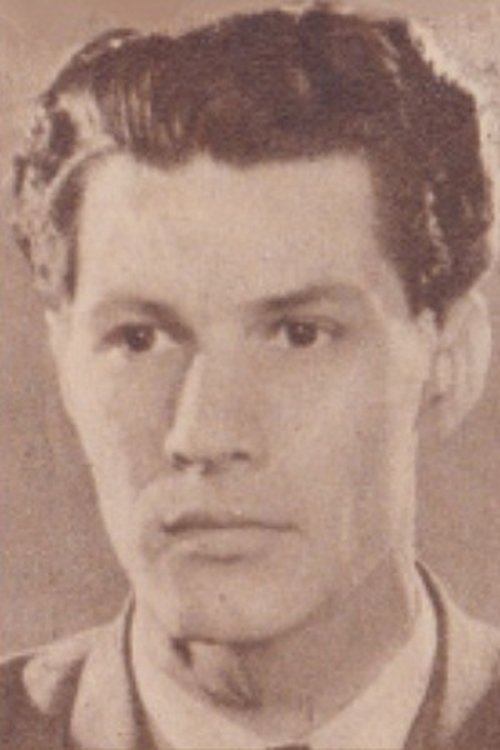 George Manu
as Ionică Lepădat
 Nana Ianculescu
as Maria
Aurel Ghițescu
as Ilie Scăpău
Vasile Lăzărescu
as Pantelimon