Iraq Independence Day
On Mon, October 3, 1932
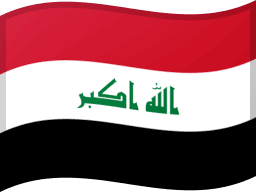
Iraq's Independence Day, celebrated annually on October 3rd, marks the end of the British Mandate and the formal recognition of Iraq as a sovereign nation by the League of Nations in 1932. This day signifies a crucial turning point in Iraqi history, transitioning the country from a territory governed by foreign powers to an independent state with its own governance and destiny. The journey to independence was long and arduous, involving decades of nationalist movements, political negotiations, and ultimately, the acknowledgement of Iraq's right to self-determination by the international community.
The British Mandate, established after World War I following the dissolution of the Ottoman Empire, had overseen Iraq's administration and development. While the British presence brought certain infrastructure and administrative advancements, it also fueled resentment and a desire for self-rule among the Iraqi population. Nationalists from various ethnic and religious backgrounds united in their pursuit of independence, advocating for an end to foreign control and the establishment of a fully sovereign Iraqi state.
The achievement of independence was the culmination of years of political maneuvering and delicate negotiations between Iraqi leaders and the British government. The 1930 Anglo-Iraqi Treaty laid the groundwork for independence, outlining a transitional period during which British influence would gradually diminish. This treaty, while intended to pave the way for Iraqi sovereignty, also stipulated certain conditions that maintained British interests, leading to continued nationalist agitation even after formal independence.
The League of Nations' recognition of Iraq's independence on October 3rd, 1932, was a monumental achievement, solidifying Iraq's place on the world stage. It signified the official acceptance of Iraq as a member of the international community, entitled to the same rights and responsibilities as other sovereign nations. This recognition boosted national pride and served as a symbol of the long-fought battle for self-determination.
Celebrations of Iraq Independence Day typically involve national parades, cultural performances, and public gatherings. Iraqis commemorate the historical significance of the day, honoring the sacrifices and efforts of those who fought for their country's freedom. The day is also an opportunity for reflection on Iraq's progress as an independent nation and to reaffirm its commitment to national unity and development.
Despite the challenges that Iraq has faced in the decades since its independence, including political instability, conflicts, and economic hardships, October 3rd remains a powerful symbol of national pride and aspiration. It serves as a reminder of the resilience and determination of the Iraqi people in their ongoing pursuit of a stable, prosperous, and independent future. The day encourages a renewed focus on building a strong and united Iraq, capable of fulfilling its potential on the global stage.