Killing in the Name by Rage Against the Machine
Released on Tue, November 3, 1992

"Killing in the Name" by Rage Against the Machine is a powerful and anthemic protest song that became a defining track of the 1990s. Released in 1992 as part of their self-titled debut album, the song is a furious indictment of systemic oppression and institutional violence, particularly focusing on the role of law enforcement and its connection to historical injustices. The lyrics, though repetitive, are direct and unwavering in their message, urging listeners to challenge authority and resist blind obedience.
The song's structure is relatively simple but highly effective. It builds slowly, starting with a quiet, almost hesitant intro driven by Tim Commerford's bass line. As the tension increases, Brad Wilk's drums enter, adding a sense of foreboding. Tom Morello's innovative guitar work then enters, creating a distinct and unsettling soundscape. This deliberate build-up creates an atmosphere of simmering rage that explodes with the arrival of Zack de la Rocha's vocals.
De la Rocha's delivery is raw and impassioned, perfectly conveying the frustration and anger at the heart of the song. The lyrics "Some of those that work forces, are the same that burn crosses" directly address the historical connections between law enforcement and racist ideologies, particularly the Ku Klux Klan. The song accuses those in power of perpetuating a cycle of violence and oppression, hiding behind the veil of authority.
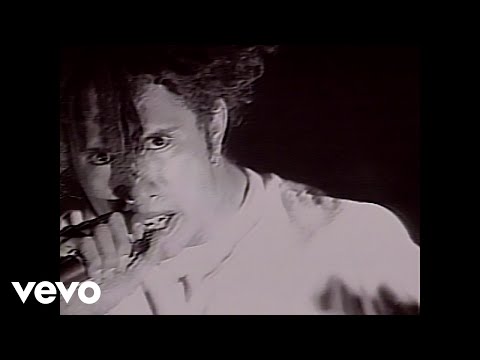 The chorus, "Killing in the name of," highlights the justification often used to legitimize violence and oppression – a higher purpose, a sense of duty, or a warped interpretation of morality. This phrase challenges the very notion that violence can be justified, particularly when it is used to maintain unjust systems of power. The repetition of this phrase, along with the infamous "Fuck you, I won't do what you tell me," creates a hypnotic effect, emphasizing the message of resistance and defiance.
The most recognizable and controversial element of the song is undoubtedly the repeated refrain, "Fuck you, I won't do what you tell me." This simple, yet powerful line embodies the spirit of rebellion and the refusal to be controlled. It represents a rejection of authority, a call to individual autonomy, and a demand for self-determination. The song's raw energy and unfiltered aggression resonated deeply with audiences who felt disenfranchised and unheard.
"Killing in the Name" became an unexpected commercial success, despite its explicit language and overtly political message. It topped the charts in several countries, solidifying Rage Against the Machine's status as a groundbreaking and influential band. The song's lasting legacy lies in its ability to ignite a sense of rebellion and inspire listeners to question authority, fight for justice, and challenge the status quo. It remains a potent and relevant anthem for anyone fighting against oppression in any form.