La Bamba by Ritchie Valens
Released on Sat, October 18, 1958

"La Bamba" by Ritchie Valens is a song deeply rooted in Mexican folk tradition, transformed into a rock and roll classic that transcended cultural boundaries. Originating as a traditional wedding song from Veracruz, Mexico, "La Bamba" was typically played with a harp and other stringed instruments. The term "bamba" itself refers to a dance step, and the song served as a celebratory piece, often improvised upon with lyrics tailored to the specific wedding event. The folk song contained a call and response structure with a simple, repetitive melody, making it accessible and enjoyable for all.
Ritchie Valens, born Richard Steven Valenzuela, recognized the potential of this traditional song and infused it with the energy and rhythm of rock and roll. In 1958, at the tender age of 17, Valens adapted "La Bamba" into a vibrant rock and roll anthem. He retained the iconic chorus and the driving rhythm, but he modernized the instrumentation with electric guitars, bass, and drums, creating a sound that resonated with American teenagers of the late 1950s. Valens also adjusted the lyrics, making them more concise and punchy for a broader audience.
The genius of Valens's adaptation lies in its ability to maintain the integrity of the original folk song while simultaneously appealing to a mainstream American audience. He preserved the essential elements of "La Bamba," including the energetic rhythm and the core lyrical content, all while adding a fresh, modern rock and roll edge. This skillful blending of musical styles allowed "La Bamba" to bridge the gap between cultures and generations, becoming a hit that resonated with both Mexican-Americans and the wider American population.
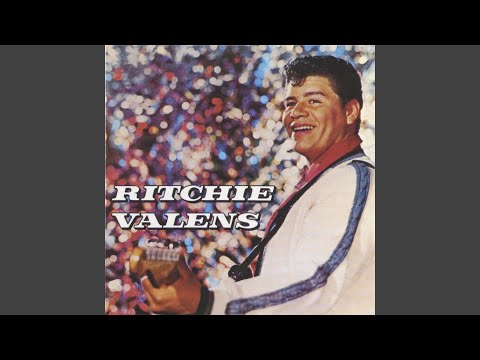 "La Bamba" quickly climbed the charts, becoming a Billboard Top 40 hit and establishing Valens as a rising star in the burgeoning rock and roll scene. It was significant not only for its musical merit but also for its cultural impact. "La Bamba" was one of the first rock and roll songs sung entirely in Spanish to achieve mainstream success in the United States. This achievement opened doors for other Latino artists and helped pave the way for greater diversity in popular music.
Tragically, Ritchie Valens's burgeoning career was cut short when he died in a plane crash on February 3, 1959, along with fellow musicians Buddy Holly and J. P. "The Big Bopper" Richardson. This event, often referred to as "The Day the Music Died," marked a significant loss for the music industry. Despite his short career, Valens left behind a lasting legacy, with "La Bamba" remaining his signature song and a timeless classic.
The popularity of "La Bamba" experienced a resurgence in 1987 when it was featured prominently in the biographical film of the same name, which chronicled Valens's life and career. Los Lobos, an American rock band from East Los Angeles, recorded a version of "La Bamba" for the film's soundtrack, which became an even bigger hit than Valens's original. This version reached number one on the Billboard Hot 100, further solidifying "La Bamba" as a cultural touchstone and cementing Ritchie Valens's place in music history. "La Bamba" continues to be celebrated as a symbol of cultural pride, musical innovation, and the enduring power of rock and roll.