Libya Independence Day
On Mon, December 24, 1951
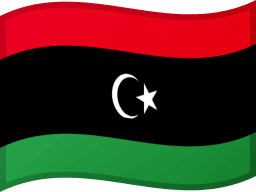
Libya Independence Day, celebrated annually on December 24th, commemorates the day in 1951 when Libya officially declared its independence from the post-World War II Allied administration, primarily under French and British control. This pivotal moment marked the culmination of years of struggle for self-determination and the birth of a unified and sovereign nation. Prior to this, Libya had been under various colonial powers, including the Ottoman Empire and Italy, leaving the country fragmented and yearning for a unified national identity. The declaration of independence was a watershed event, ushering in a new era of Libyan self-governance and control over its own destiny.
The path to independence was paved with significant challenges. After the defeat of Italy in World War II, Libya became a territory under Allied control. The United Nations played a crucial role in facilitating the transition towards independence, recognizing the Libyan people's right to self-determination. Negotiations with the Allied powers and internal political maneuvering were essential in shaping the future of the newly independent nation. King Idris I, who had led the resistance against Italian colonialism, played a central role in unifying the different regions and factions within Libya and eventually became the first King of the country.
The initial years following independence were marked by nation-building efforts aimed at establishing governmental institutions, promoting economic development, and fostering a sense of national unity. Libya, rich in oil reserves, embarked on a period of modernization and infrastructure development. However, the country also faced numerous challenges, including political instability, tribal divisions, and economic disparities. The discovery and exploitation of oil resources gradually transformed Libya's economy, but the benefits were not always evenly distributed, leading to social and political tensions.
 Over the decades, Libya experienced significant political transformations. In 1969, a coup led by Muammar Gaddafi overthrew the monarchy, ushering in a new era of revolutionary socialist rule. Gaddafi's regime implemented significant social and economic reforms, including nationalizing the oil industry and investing in education and healthcare. However, his rule also became increasingly authoritarian, suppressing dissent and promoting a cult of personality.
Libya Independence Day serves as a reminder of the sacrifices made by Libyans to achieve their freedom and sovereignty. It's a day to reflect on the country's history, celebrate its cultural heritage, and reaffirm the values of national unity and independence. Across Libya, the day is often marked by patriotic displays, cultural performances, and community events. Schools and government institutions often organize commemorative programs to educate citizens about the significance of this historical occasion.
Despite the numerous political and social upheavals Libya has experienced since its independence, Independence Day remains a symbol of hope and aspiration for a brighter future. It underscores the enduring desire of the Libyan people for self-determination, stability, and prosperity. While the country continues to grapple with challenges on its path toward a more democratic and unified future, the spirit of independence and the pursuit of a better tomorrow remain strong amongst its citizens.