London Calling by The Clash
Released on Fri, December 7, 1979

"London Calling," released in December 1979, is arguably The Clash's most iconic and enduring song, serving as the title track for their groundbreaking double album. The song's raw energy and urgent message resonated deeply with audiences, cementing its place in punk rock history and beyond. It's a powerful anthem of societal anxiety, capturing a feeling of impending doom and disillusionment with the socio-political landscape of late 1970s Britain. Far more than just a punk song, "London Calling" blends genres and themes to create a complex and unforgettable soundscape.
The inspiration for "London Calling" stemmed from a variety of real-world events and anxieties. Joe Strummer, the band's frontman, was particularly concerned about rising unemployment, social unrest, and the potential for ecological disaster. The song was also directly influenced by news reports about a looming Thames River flood and the Three Mile Island nuclear accident, both of which contributed to the sense of impending catastrophe that permeates the lyrics. These anxieties were channeled into a powerful and visceral critique of the status quo.
Musically, "London Calling" is a fascinating blend of punk rock intensity with reggae and new wave influences. The iconic bassline, delivered by Paul Simonon, is a driving force, providing a rhythmic foundation for the song's escalating tension. Mick Jones's guitar work is sharp and angular, adding to the song's edgy and unsettling atmosphere. The use of echo and other production techniques creates a sense of space and depth, elevating the song beyond the typical punk rock sound of the time. The overall effect is a compelling mix of urgency and atmospheric dread.
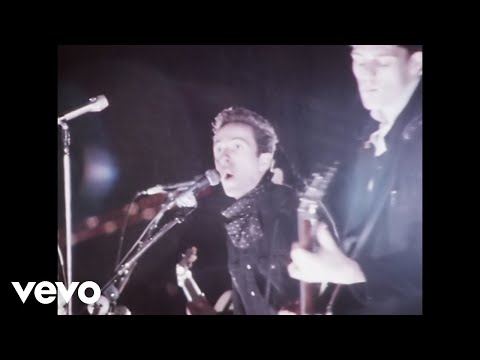 The lyrics of "London Calling" are both evocative and direct, painting a bleak picture of a society on the brink. Phrases like "London calling to the faraway towns" and "Now war is declared and battle come down" evoke a sense of global crisis and impending conflict. The repeated refrain of "London calling, I never felt so alone" captures the feeling of isolation and despair that many felt during that tumultuous period. The lyrics are not simply pessimistic; they are a call to action, urging listeners to recognize the dangers around them and to take a stand.
The impact of "London Calling" was immediate and profound. The song reached the top 20 in the UK charts and helped to establish The Clash as a major force in the music industry. More importantly, it struck a chord with listeners who were grappling with similar anxieties and frustrations. The song's message of social commentary and resistance resonated with a generation that was questioning authority and seeking change. It became an anthem for those who felt marginalized and disenfranchised.
"London Calling" continues to be a relevant and powerful song decades after its release. Its themes of environmental concern, political disillusionment, and social unrest remain pertinent in today's world. The song's enduring popularity is a testament to its musical innovation and its timeless message. It stands as a reminder of the power of music to challenge the status quo and to inspire hope in the face of adversity. "London Calling" is not just a song; it is a cultural artifact that continues to resonate with audiences around the world.