Malcolm X
Released on Wed, November 18, 1992
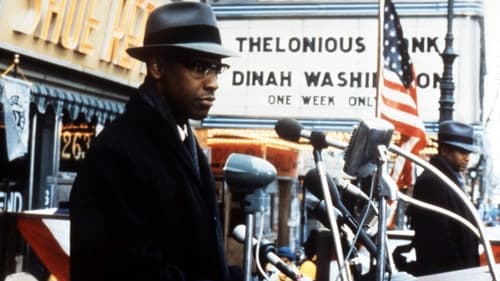
Spike Lee's "Malcolm X" is a powerful biographical film that explores the complex life of Malcolm Little, a figure whose name became synonymous with black empowerment and the fight against racial injustice. The movie doesn't shy away from the controversial aspects of Malcolm X's journey, presenting him as a flawed yet ultimately transformative leader whose influence continues to resonate today. It meticulously traces his evolution, from his troubled youth to his emergence as a prominent voice in the struggle for black liberation.
The film vividly portrays Malcolm's descent into a life of crime, leading to his imprisonment in the 1950s. This period marks a turning point in his life. It was during his incarceration that Malcolm encountered the teachings of the Nation of Islam, an organization that advocated for black self-sufficiency and separation from white society. Deeply affected by its message, Malcolm embraced Islam and dedicated himself to its principles.
Upon his release from prison, Malcolm X rapidly rose through the ranks of the Nation of Islam, becoming a charismatic and articulate spokesperson for the movement. He fearlessly challenged the prevailing racial inequalities of the time, advocating for black pride and self-reliance. His fiery speeches and unwavering commitment to his beliefs drew both ardent supporters and fierce critics.
 However, Malcolm's worldview began to evolve as he grew disenchanted with the Nation of Islam and its leader, Elijah Muhammad. He embarked on a pilgrimage to Mecca, where he experienced a profound spiritual awakening and witnessed Muslims of all races worshipping together in harmony. This transformative experience led him to embrace a more inclusive vision of racial equality, one that transcended the separatist ideology he had previously espoused.
Upon his return to the United States, Malcolm X founded the Organization of Afro-American Unity, dedicated to promoting black unity and fighting for human rights. He sought to build bridges with other civil rights leaders, advocating for a more unified and collaborative approach to achieving racial justice. His transformation challenged established notions and broadened the landscape of the civil rights movement.
Tragically, Malcolm X's life was cut short in 1965 when he was assassinated while delivering a speech in New York City. Despite his untimely death, his legacy endures as a symbol of black self-determination, racial pride, and the pursuit of justice. The film "Malcolm X" serves as a lasting tribute to a man whose life, though marked by controversy, ultimately contributed to the ongoing struggle for equality and liberation.
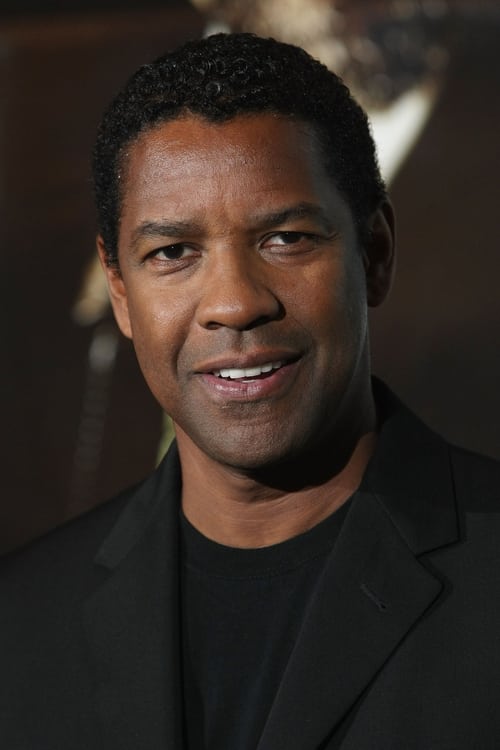
 Angela Bassett
as Betty Shabazz
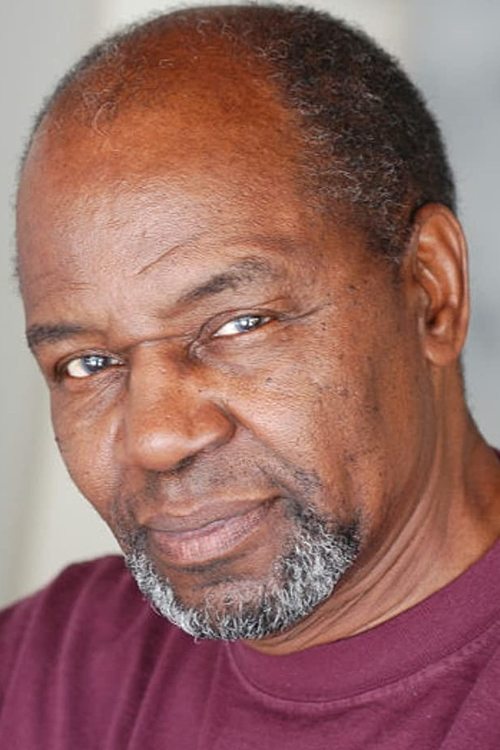 Albert Hall
as Baines
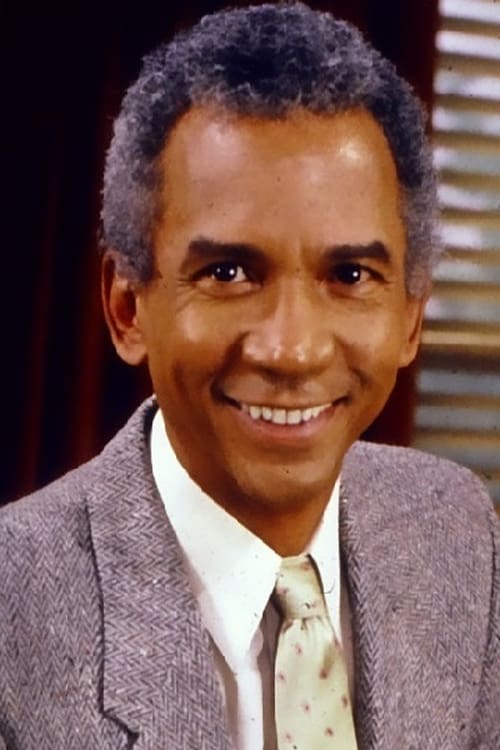 Al Freeman Jr.
as Elijah Muhammad
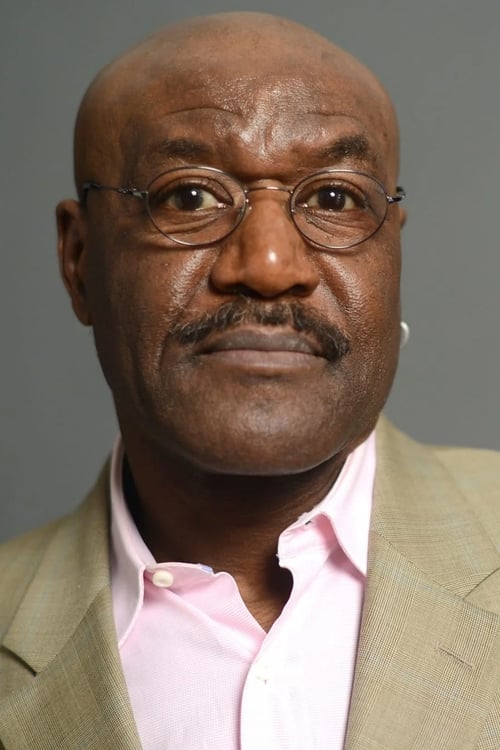 Delroy Lindo
as West Indian Archie
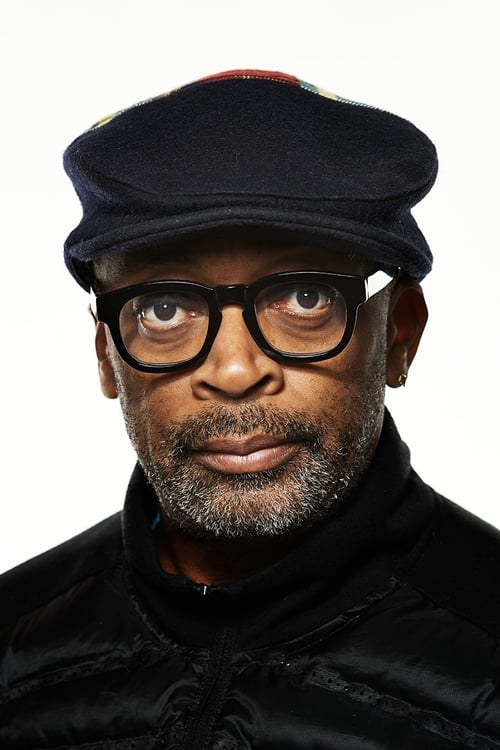 Spike Lee
as Shorty
 Theresa Randle
as Laura
 Kate Vernon
as Sophia