Mali Independence Day
On Thu, September 22, 1960
Mali Independence Day, celebrated annually on September 22nd, commemorates the nation's declaration of independence from French rule in 1960. This pivotal moment marked the culmination of decades of growing nationalist sentiment and the wave of decolonization sweeping across Africa in the post-World War II era. Prior to independence, Mali was known as the French Sudan, a part of the vast French West Africa colony. The desire for self-determination and the frustration with colonial policies fueled a movement for greater autonomy and eventually, complete sovereignty.
The road to independence wasn't without its challenges. Negotiations with France were complex, and internal political dynamics played a significant role. Modibo Keïta, a leading figure in the independence movement, played a crucial role in uniting various factions and pushing for a complete break from French control. His vision for a socialist and Pan-Africanist Mali resonated with many citizens who yearned for a future free from external influence. The process involved navigating competing ideologies and forging a national identity that transcended ethnic and regional differences.
The declaration of independence on September 22, 1960, was met with jubilation throughout the country. It was a moment of profound national pride, symbolizing the triumph of the Malian people's aspirations for self-governance. The event ushered in a new era of hope and opportunity, as the nation embarked on the journey of building a modern and independent society. Keïta became the first president of Mali, tasked with guiding the newly formed nation through its initial years of independence.
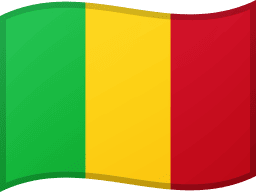
 Independence Day celebrations in Mali are typically vibrant and multifaceted. The day is marked by official ceremonies, parades, and cultural performances that showcase the rich heritage and traditions of the country. Public institutions and schools often organize patriotic events, while communities come together to celebrate with music, dance, and traditional cuisine. The national flag, with its green, yellow, and red stripes, is prominently displayed throughout the country, symbolizing the nation's unity and pride.
Beyond the festivities, Mali Independence Day also serves as a time for reflection on the country's progress and challenges. It's an opportunity to remember the sacrifices made by those who fought for independence and to recommit to the principles of democracy, justice, and national unity. The day is often used to highlight the achievements of the Malian people in various fields, including education, culture, and economic development.
However, it's also a time to acknowledge the ongoing struggles faced by the nation, such as poverty, inequality, and security challenges. These realities serve as a reminder of the continued need for progress and development to fully realize the promise of independence. Despite these challenges, Mali Independence Day remains a potent symbol of national identity and the enduring spirit of the Malian people. It is a day to celebrate the past, reflect on the present, and look forward to a brighter future.