Malta Independence Day
On Mon, September 21, 1964
Malta Independence Day, celebrated annually on September 21st, marks the momentous occasion when Malta achieved independence from the United Kingdom in 1964. This pivotal event signified the end of over 160 years of British rule, a period that deeply influenced Maltese culture, language, and political systems. Independence Day is a time for reflection, national pride, and celebration of Malta's sovereignty. It represents the culmination of decades of political struggle and the unwavering desire of the Maltese people to govern themselves.
The path to independence was paved with complex negotiations and political maneuvering. Following World War II, the desire for self-governance grew stronger among the Maltese population. Several political parties emerged, each with their own vision for Malta's future, some advocating for complete independence, others for greater autonomy within the Commonwealth. The Maltese government engaged in extensive discussions with the British government, addressing issues such as defense, finance, and constitutional arrangements. These negotiations were often challenging, reflecting the differing priorities and interests of both sides.
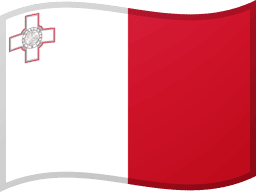
Finally, on September 21, 1964, the Malta Independence Act was passed by the British Parliament, officially granting Malta its independence. The Union Jack was lowered for the last time, and the Maltese flag, featuring a white and red field with the George Cross in the upper left canton, was raised in its place. The Duke of Edinburgh, representing Queen Elizabeth II, attended the official ceremonies, marking the symbolic transfer of power to the Maltese people. This day was met with immense jubilation across the islands, marking a new chapter in Malta's history.
 Independence Day celebrations in Malta are characterized by a spirit of patriotism and national unity. Public festivities include parades, concerts, fireworks displays, and cultural performances showcasing Maltese traditions. Government buildings and private residences alike are adorned with the national flag. Schools often organize special events to educate students about the significance of the day and the history of Malta's independence movement. The day also provides an opportunity to reflect on the challenges and triumphs of the Maltese people in building a modern and prosperous nation.
Beyond the celebratory aspects, Malta Independence Day also serves as a reminder of the responsibilities that come with sovereignty. The Maltese people are tasked with safeguarding their democratic values, protecting their cultural heritage, and ensuring the well-being of future generations. Independence Day encourages reflection on the progress made since 1964 and the ongoing efforts to strengthen Malta's position on the world stage. It is a call to action for citizens to actively participate in shaping the future of their nation.
In essence, Malta Independence Day is more than just a historical commemoration; it is a vibrant expression of Maltese identity, resilience, and determination. It celebrates the achievement of self-determination and serves as a constant reminder of the importance of freedom, democracy, and national unity. The day is a testament to the enduring spirit of the Maltese people and their commitment to building a bright and prosperous future for their island nation.