Mexico Independence Day
On Sun, September 16, 1810
Mexico's Independence Day, celebrated annually on September 16th, commemorates the pivotal moment in 1810 when Miguel Hidalgo y Costilla, a Catholic priest, ignited the Mexican War of Independence. Known as "El Grito de Dolores" (The Cry of Dolores), Hidalgo's passionate call to arms in the town of Dolores sparked a decade-long struggle against Spanish colonial rule. This act of defiance, driven by growing resentment over social inequality, economic exploitation, and political disenfranchisement, became the cornerstone of Mexican national identity and the symbol of their fight for self-determination.
The seeds of independence were sown over centuries of Spanish dominance. The rigid social hierarchy placed native-born Spaniards (peninsulares) at the top, enjoying vast privileges while the criollos (Spaniards born in Mexico) were relegated to a secondary status despite often being wealthy and educated. This disparity, coupled with heavy taxation and limited opportunities for advancement, fueled a growing sense of discontent. Inspired by Enlightenment ideals and the success of the American Revolution, Mexican intellectuals and patriots began to secretly plot a movement for liberation.
Hidalgo's "Grito de Dolores" was not a meticulously planned declaration but rather a spontaneous outpouring of revolutionary fervor. When his planned revolt was discovered, Hidalgo, along with other conspirators, took immediate action. He rallied the parishioners of Dolores, urging them to fight for freedom from Spanish oppression. His impassioned speech, denouncing the injustices of colonial rule and calling for equality, resonated deeply with the masses, particularly the indigenous and mestizo populations who had long suffered under Spanish rule.
The initial years of the war were marked by intense violence and instability. Hidalgo led a large but poorly equipped army, achieving some early victories before being captured and executed in 1811. Despite his death, the fight for independence continued under the leadership of other prominent figures such as José María Morelos and Vicente Guerrero. They developed more structured military strategies and articulated clearer political goals, including the abolition of slavery and the establishment of a democratic republic.
After a decade of bloody conflict, a complex series of events ultimately led to Mexican independence. Agustin de Iturbide, a royalist general initially sent to suppress the rebellion, switched sides and joined forces with Guerrero's remaining rebel troops. The resulting alliance, formalized in the Plan of Iguala, promised independence, equality for all citizens, and the preservation of the Catholic Church. In 1821, the Treaty of Córdoba was signed, officially recognizing Mexico's independence from Spain.
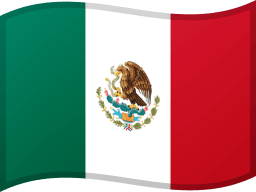
Mexico's Independence Day is celebrated with vibrant displays of national pride. Cities and towns across the country are adorned with the colors of the Mexican flag – green, white, and red. The evening before, September 15th, is often marked with elaborate reenactments of the "Grito de Dolores," culminating in a public official echoing Hidalgo's original call to arms. This is followed by fireworks, music, dancing, and traditional Mexican food, creating a joyful and patriotic atmosphere that honors the nation's long and arduous journey to freedom. The festivities serve as a powerful reminder of the sacrifices made by those who fought for Mexico's independence and the enduring values of liberty and self-determination.