Mongolia Independence Day
On Fri, December 29, 1911
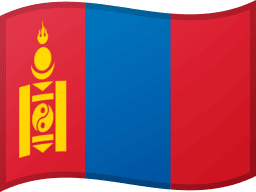
Mongolia's Independence Day, officially known as National Day, is celebrated annually on December 29th. It marks the country's declaration of independence from the Qing dynasty of China in 1911. This declaration came at a time of significant political upheaval in China, with the Xinhai Revolution weakening the Qing empire. The Mongolian princes, seeing an opportunity, seized the moment to assert their desire for self-governance and break free from Chinese control. While the day commemorates a pivotal event, the path to true independence was long and complex.
The declaration of independence was not immediately recognized by all international powers. Mongolia initially functioned as a theocratic monarchy under the leadership of the Jebtsundamba Khutuktu VIII, also known as the Bogd Khan. This period was marked by significant political instability, as Mongolia navigated relations with Russia and China, both vying for influence in the region. The Bogd Khan's government sought to establish a modern state, but faced considerable challenges due to limited resources and external pressures.
Throughout the early 20th century, Mongolia's political landscape continued to shift. After the Bogd Khan's death in 1924, the Mongolian People's Republic was established under the influence of the Soviet Union. While this solidified independence from China in practice, it also meant a close alignment with Soviet policies and a period of socialist development. The day we celebrate as Independence Day, December 29th, therefore acknowledges the initial declaration, but it's often understood in the context of Mongolia's complex journey towards sovereignty.
The National Day celebrations are a significant event in Mongolia, fostering national pride and unity. In Ulaanbaatar, the capital city, military parades are often held, showcasing the strength and capabilities of the Mongolian armed forces. Cultural performances, including traditional music, dance, and wrestling, are also integral to the festivities, highlighting Mongolia's rich cultural heritage. Public squares and parks become vibrant hubs of activity, with families and friends gathering to enjoy the celebrations.
Alongside the formal parades and performances, many Mongolians celebrate Independence Day in more informal ways. Families often gather for special meals, featuring traditional Mongolian cuisine such as *buuz* (steamed dumplings) and *khuushuur* (fried meat pastries). It's a time for reflection on the country's history and the sacrifices made by those who fought for independence. The day serves as a reminder of the importance of national unity and the ongoing efforts to build a strong and prosperous Mongolia.
In conclusion, Mongolia's Independence Day is a complex celebration. It recognizes the 1911 declaration of independence but acknowledges the subsequent struggles and shifts in political landscape. The holiday is more than just a historical commemoration; it’s an opportunity for Mongolians to connect with their cultural heritage, celebrate their national identity, and look forward to the future with a renewed sense of unity and purpose. The festivities offer a glimpse into the heart of Mongolian culture and the enduring spirit of the nation.