Mutiny on the Bounty
Released on Thu, November 8, 1962

The story begins with the ship HMS Bounty embarking on its journey from Portsmouth in 1787. The ship's mission was specifically to travel all the way to Tahiti, a distant island, and gather a large quantity of breadfruit plants. These plants were to be transported back to England for cultivation.
Captain William Bligh, the commanding officer of the Bounty, was ruthlessly determined to reach Tahiti as quickly as humanly possible. He was a firm believer in strict discipline and didn't hesitate to employ harsh measures to maintain control and push his crew to their limits. This created a tense and oppressive atmosphere on board the ship.
Upon finally reaching Tahiti, the crew found themselves in a stark contrast to the harsh realities of life on the Bounty. The island was a tropical paradise, offering respite from the long journey. The island had abundant resources, friendly locals, and a relaxed way of life, all dramatically different from the rigid discipline and relentless demands of Captain Bligh.
 The allure of Tahiti proved to be a powerful influence on the crew, who experienced a level of freedom and comfort they had never known before. The contrast between the beauty of Tahiti and the grim conditions onboard the Bounty intensified their resentment towards Captain Bligh's tyrannical rule.
As the Bounty began its return voyage to England, the accumulated frustrations and resentment reached a breaking point. Fletcher Christian, a respected officer aboard the ship, felt a growing sense of responsibility for his crew. Witnessing Bligh's increasingly cruel behaviour towards the crew, he could no longer stomach the injustice and decided to take a stand.
Fueled by his sense of justice and a desire to protect his fellow crew members, Fletcher Christian ultimately led a mutiny against Captain Bligh. He successfully seized control of the ship, setting in motion a dramatic and transformative chain of events. This marked the beginning of one of the most famous and debated mutinies in naval history.

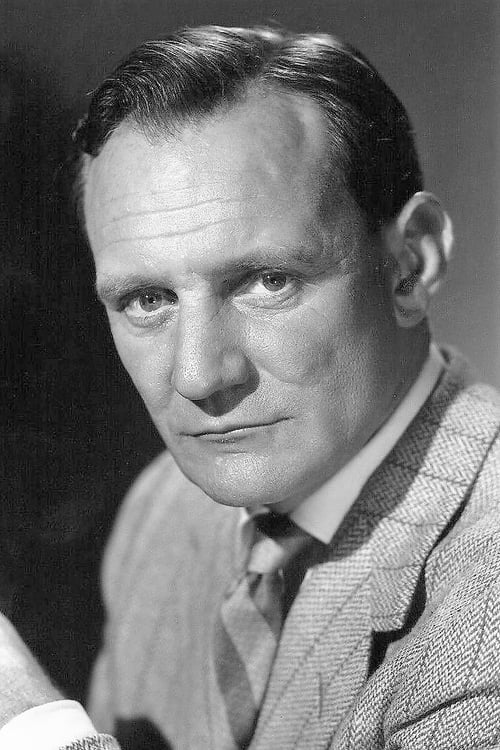 Trevor Howard
as Capt. William Bligh
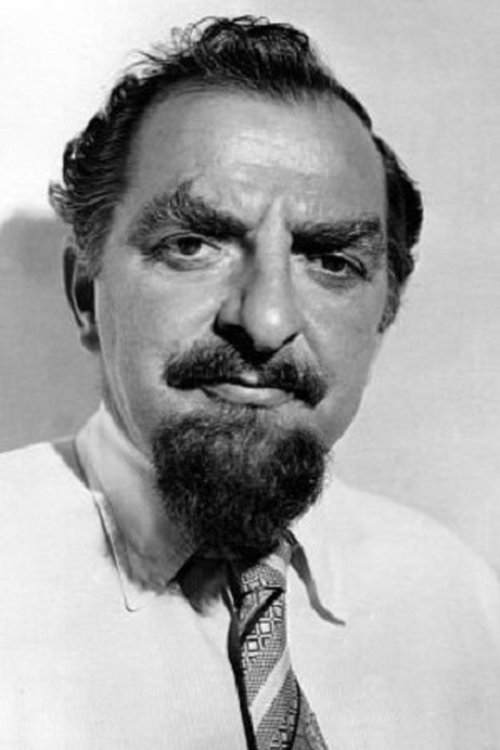 Hugh Griffith
as Alexander Smith
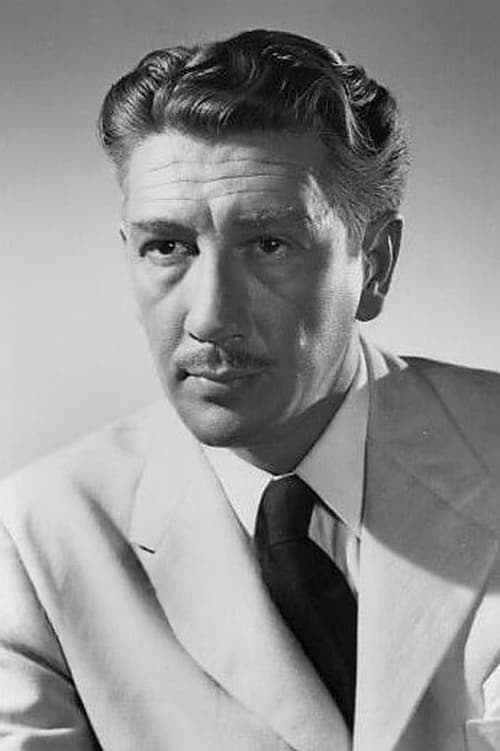 Richard Haydn
as William Brown
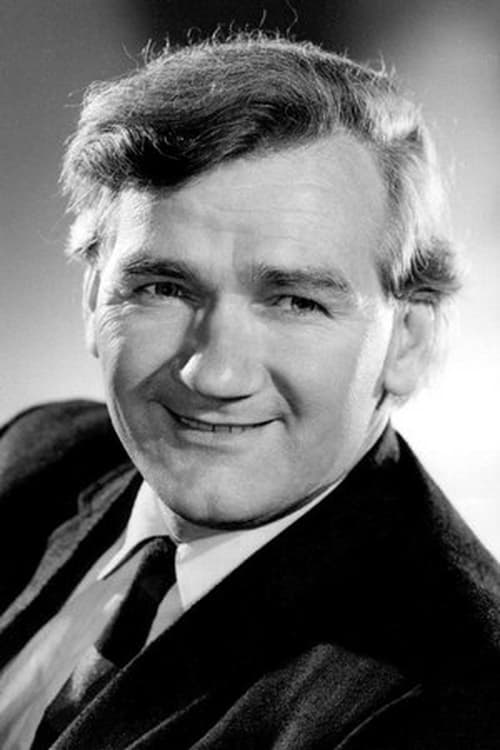 Percy Herbert
as Matthew Quintal
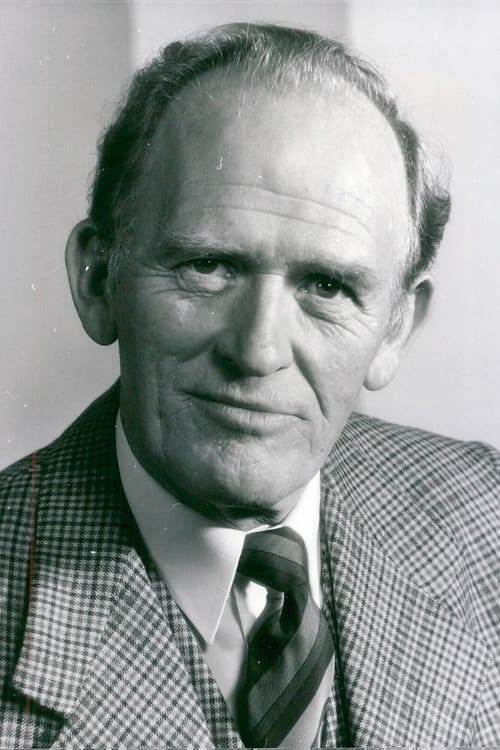 Gordon Jackson
as Seaman Edward Birkett
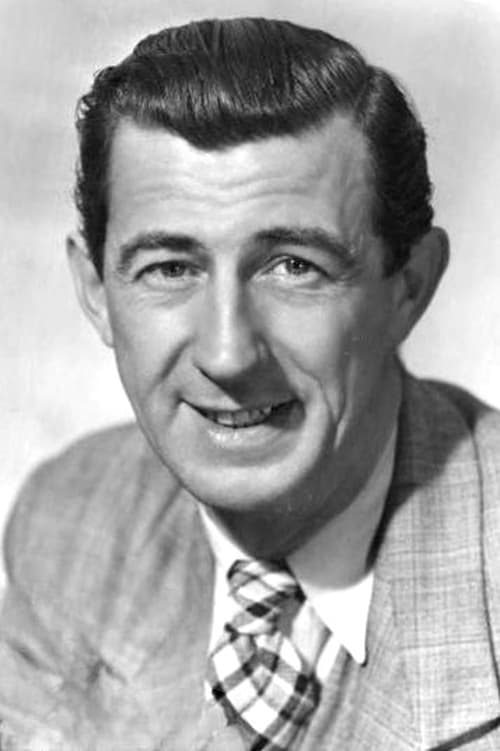 Chips Rafferty
as Michael Byrne