Myanmar Independence Day
On Sun, January 4, 1948
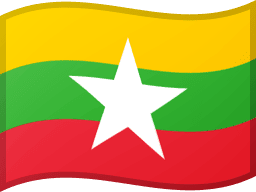
Myanmar Independence Day, celebrated annually on January 4th, commemorates the nation's declaration of independence from British colonial rule in 1948. This pivotal moment in Myanmar's history marked the end of over six decades of British control, a period that had profoundly shaped the country's political, economic, and social landscape. The struggle for independence was a long and arduous one, driven by a growing nationalist movement determined to regain sovereignty and self-determination.
The key figurehead in Myanmar's independence movement was General Aung San, a charismatic leader who played a crucial role in unifying diverse ethnic groups under a common goal. He skillfully navigated complex political alliances, both with the British authorities and with resistance groups, to forge a path towards self-governance. However, tragedy struck in 1947 when Aung San and several members of his cabinet were assassinated, just months before independence was achieved. Despite this devastating loss, his vision and legacy continued to inspire the nation.
On January 4th, 1948, Myanmar officially gained its independence, becoming the Union of Burma. The ceremony was a momentous occasion filled with national pride and hope for the future. The British Union Jack was lowered, and the Burmese flag was raised, symbolizing the dawn of a new era for the nation. The first President of the Union of Burma, Sao Shwe Thaik, took office, ushering in a new chapter in the country's history.
 Myanmar Independence Day is a national holiday, observed with various celebrations and commemorations across the country. These festivities often include flag-raising ceremonies, parades, cultural performances, and religious observances. Schools and government buildings are decorated with national flags and banners, and communities come together to celebrate their shared heritage and national identity. The day serves as a reminder of the sacrifices made by those who fought for freedom and the importance of preserving Myanmar's hard-won independence.
Beyond the celebratory aspects, Myanmar Independence Day also provides an opportunity for reflection on the nation's progress and challenges. Since gaining independence, Myanmar has faced numerous political and economic hurdles, including internal conflicts, military rule, and struggles for democracy. The ongoing complexities of navigating ethnic tensions and building a truly inclusive society remain pressing issues.
In recent years, Myanmar has faced renewed turmoil and instability, making Independence Day a particularly poignant occasion for reflection and renewed commitment to national unity and progress. While the celebrations serve as a reminder of the nation's aspiration for self-determination, they also highlight the continuing need for peace, justice, and the establishment of a truly democratic society that upholds the rights and freedoms of all its citizens.