Nauru Independence Day
On Wed, January 31, 1968
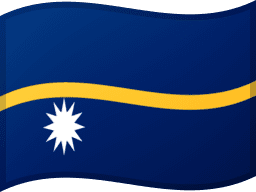
Nauru Independence Day, celebrated annually on January 31st, marks the anniversary of Nauru's liberation from United Nations trusteeship and the establishment of its own sovereign nation in 1968. This day is a significant milestone in Nauru's history, signifying the culmination of years of striving for self-determination and the dawn of a new era of autonomous governance. Prior to independence, Nauru was administered by a joint authority of Australia, New Zealand, and the United Kingdom following the end of World War II. The journey towards independence involved negotiations and discussions to establish a framework for a stable and prosperous nation.
The celebrations surrounding Nauru Independence Day are typically vibrant and multifaceted, reflecting the rich cultural heritage and national pride of the Nauruan people. Festivities often include traditional dances, music performances, and sporting events that showcase Nauruan customs and artistry. Public addresses by government officials, including the President, are common, highlighting the nation's achievements, reflecting on its history, and outlining future goals. These speeches serve to reinforce national unity and inspire citizens to contribute to the ongoing development of Nauru.
Beyond the formal ceremonies, Independence Day is a time for families and communities to come together and celebrate. People decorate their homes and villages with national flags and colorful banners, creating a festive atmosphere across the island. Traditional Nauruan cuisine is prepared and shared, reinforcing the bonds of kinship and community. The day offers an opportunity for Nauruans to reflect on their shared identity and cultural heritage, strengthening their sense of belonging and national unity.
For Nauru, Independence Day is not merely a historical commemoration but also a reminder of the challenges and opportunities that lie ahead. As a small island nation, Nauru faces unique vulnerabilities related to climate change, resource management, and economic diversification. The celebrations serve as a platform to discuss these pressing issues and to reaffirm the government's commitment to sustainable development and the well-being of its citizens. The focus is often on building a resilient and prosperous future for generations to come.
The international community also plays a role in Nauru's Independence Day celebrations. Representatives from other nations, including Australia, New Zealand, and neighboring Pacific Island countries, are often invited to participate in the festivities. This demonstrates the international recognition of Nauru as a sovereign state and reinforces the importance of regional cooperation and diplomatic relations. It also provides an opportunity to strengthen partnerships and collaborations on various fronts, including economic development, climate change mitigation, and cultural exchange.
In conclusion, Nauru Independence Day is a multifaceted celebration of nationhood, cultural heritage, and national pride. It serves as a reminder of Nauru's journey towards self-determination, a platform for addressing current challenges, and an opportunity to reinforce national unity and strengthen international relations. The day is a significant event in the Nauruan calendar, offering a chance to reflect on the past, celebrate the present, and look forward to a brighter future for the nation and its people.