Nicaragua Independence Day
On Sat, September 15, 1821
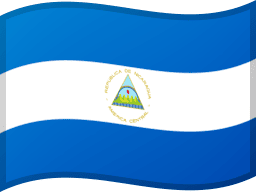
Nicaragua's Independence Day, celebrated annually on September 15th, commemorates the nation's liberation from Spanish colonial rule. This date is shared with several other Central American countries, including Guatemala, Honduras, El Salvador, and Costa Rica, as they all declared their independence simultaneously in 1821. This collective declaration marked the end of nearly three centuries of Spanish dominance in the region. The independence process was largely peaceful compared to other parts of Latin America, with the declaration being more of a formal separation from the weakened Spanish Empire than a violent revolution.
The move towards independence was fueled by a number of factors. Enlightenment ideals promoting self-governance and individual rights had been circulating among the educated elite. Furthermore, the Napoleonic Wars in Europe had weakened Spain's control over its colonies, creating an opportunity for creoles (people of Spanish descent born in the Americas) to assert their desire for autonomy. Economic grievances, such as restrictive trade policies imposed by Spain, also contributed to the growing sentiment for independence.
While September 15th marks the formal declaration of independence, Nicaragua's journey to complete sovereignty was complex. Following the declaration, Nicaragua, along with the other Central American nations, briefly joined the Mexican Empire. However, this union was short-lived, and in 1823, the Central American nations formed the United Provinces of Central America, a federal republic that lasted until the late 1830s. Nicaragua officially became an independent republic in 1838, after the dissolution of the United Provinces.
 The celebration of Independence Day in Nicaragua is a vibrant display of national pride and cultural heritage. Schools play a significant role in the festivities, with students participating in parades, singing patriotic songs, and performing traditional dances. The national flag, the coat of arms, and other national symbols are prominently displayed throughout the country. Public speeches and official ceremonies are held to commemorate the historical significance of the day and to honor the heroes of the independence movement.
Traditional Nicaraguan music, dance, and cuisine are integral parts of the Independence Day celebrations. "El Güegüense," a satirical folk drama, is often performed, reflecting Nicaragua's rich cultural traditions and historical narrative. Traditional Nicaraguan dishes are prepared and enjoyed by families and communities, further reinforcing the sense of national identity. The celebrations provide an opportunity for Nicaraguans to reflect on their history, celebrate their cultural heritage, and reaffirm their commitment to the nation's future.
In conclusion, Nicaragua's Independence Day is a deeply significant event that marks the nation's hard-won freedom from Spanish colonial rule. The celebrations are a vibrant expression of national pride, cultural identity, and historical memory. This day serves as a reminder of the sacrifices made by past generations and a reaffirmation of the values of self-determination and national sovereignty that continue to shape Nicaragua's identity today.