One by U2
Released on Mon, November 18, 1991

"One" is a powerful and enduring ballad by the Irish rock band U2, released in 1991 as the third single from their critically acclaimed album "Achtung Baby." Its origins are rooted in the band's fractured creative process during the recording sessions in Berlin. Tensions were high, and the band was struggling to find a cohesive direction. This internal conflict, coupled with the backdrop of German reunification, ultimately served as the inspiration for the song's themes.
The song's lyrics, primarily written by Bono, explore the concept of unity despite differences and the strength found in shared experiences. While often interpreted as a romantic love song, "One" delves much deeper, touching on themes of brotherhood, forgiveness, and the common humanity that binds us all. Bono has explicitly stated that the song is about people having to get along with each other, even when they disagree. The line "We get to carry each other" encapsulates this idea of mutual support and responsibility within relationships, whether personal, familial, or societal.
Musically, "One" is characterized by its simple yet effective arrangement. The Edge's guitar work is particularly noteworthy, featuring a distinctive, shimmering riff that provides the song's melodic foundation. Adam Clayton's bass line lays down a solid groove, while Larry Mullen Jr.'s drumming maintains a steady and understated pulse. Bono's vocals are both vulnerable and impassioned, conveying the raw emotion and sincerity of the lyrics. The song builds gradually in intensity, reaching a cathartic climax that leaves a lasting impression.
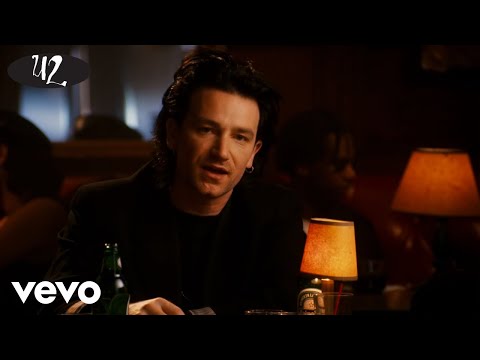 "One" quickly became a commercial success, reaching the top ten in numerous countries and solidifying its status as one of U2's signature songs. It has been included on numerous compilations and live albums, and it remains a staple of their concert performances. The song's enduring popularity is a testament to its universal themes and its ability to resonate with listeners from all walks of life.
Beyond its commercial success, "One" has also taken on a deeper cultural significance. It has been used to raise awareness and funds for various charitable causes, including AIDS research and poverty alleviation. U2 has consistently used the song as a platform to promote unity and understanding, aligning its message with their own commitment to social justice. The song's themes of forgiveness and reconciliation have made it a popular choice for memorial services and other events where healing and hope are needed.
In conclusion, "One" is more than just a rock song; it's a powerful anthem for unity, forgiveness, and the importance of human connection. Its poignant lyrics, coupled with its memorable melody and U2's impassioned performance, have made it a timeless classic that continues to inspire and uplift audiences around the world. The song's ability to transcend personal interpretation and resonate on a universal level is a testament to its enduring power and its place in the canon of great rock music.