Orient Express
Released on Fri, September 24, 2004
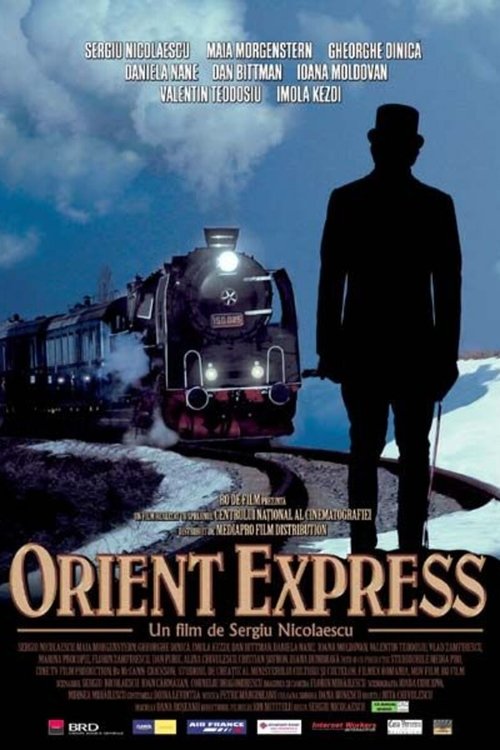
Several films have been made with the title or based on the book of "Orient Express". Let's talk about the plot that generally focuses on the famous detective Hercule Poirot. The story centers around a murder that takes place on the luxurious Orient Express train as it travels through Europe. A wealthy and unpleasant businessman, Samuel Ratchett, is found dead in his compartment, stabbed multiple times. With the train stranded due to a snowdrift, Poirot, who happens to be a passenger, is tasked with solving the crime.
As Poirot investigates, he interviews each of the passengers, a diverse group of individuals from various backgrounds and nationalities. He meticulously pieces together clues, uncovering secrets and hidden connections between the passengers and the victim. It becomes clear that everyone on board has a motive and a reason to want Ratchett dead.
Through his keen observation and deduction, Poirot discovers a shocking truth. Ratchett was not who he appeared to be. He was actually a notorious criminal responsible for the kidnapping and murder of a young girl years prior, a crime that deeply affected several of the passengers on the train.
Poirot realizes that the passengers were all connected to the victim's past and have conspired together to enact revenge for the girl's death. Each of them played a part in the murder, delivering a fatal blow to Ratchett. They all had a personal connection to the case.
Faced with this revelation, Poirot grapples with a moral dilemma. He understands the passengers' motives and feels a sense of justice in their actions. However, he also knows that he is obligated to uphold the law. He has to decide if the passengers can have redemption.
Ultimately, Poirot presents two solutions to the crime: one where a lone assassin was responsible, and another which reveals the collective guilt of the passengers. He leaves it to the authorities to decide which version of the truth to accept, allowing the passengers to escape justice while also acknowledging the weight of their actions. The film is typically a tense and suspenseful whodunit, exploring themes of justice, revenge, and morality.
 Now, regarding Prince Andrei Morudzi:
In his twilight years, Prince Andrei Morudzi sought refuge within the walls of his ancestral castle nestled in the Romanian countryside. His youth had been filled with adventures and experiences across the landscapes of a world dramatically reshaped by two major wars. Now seeking solace, he withdrew from the bustle of society, finding himself somewhat isolated in his secluded estate.
The local villagers viewed the aging prince as an anomaly, an eccentric figure whose refined manners and unconventional approach to life stood in stark contrast to their own simple existence. His presence was a curiosity, a reminder of a world beyond their own. Their lives had a certain order to them, so it was rare for someone like the prince to live near them.
Despite his attempts to maintain a distance from the local community, Prince Andrei could not help but inadvertently influence their lives. His actions, observations, and interactions, however minimal, left an indelible mark on the humble existences of the villagers. They didn't want to admit it, but they respected his wisdom.
Even in his seclusion, the prince's presence sparked subtle shifts in the village's social fabric. Perhaps it was his quiet acts of generosity, his insightful conversations, or simply his embodiment of a different way of life that touched the hearts and minds of those around him. He didn't want to be a nuisance.
The prince never intentionally sought to interfere or disrupt the villagers' lives. However, his presence served as a catalyst, inspiring them to contemplate new ideas, question old beliefs, and consider alternative perspectives. He just wanted to be left alone.
In the end, Prince Andrei's influence was a testament to the power of human connection, even in the face of isolation. Despite his efforts to remain detached, he became an unexpected agent of change, leaving a lasting impact on the lives of the villagers he had sought to avoid. He became a bit of a legend in their eyes.
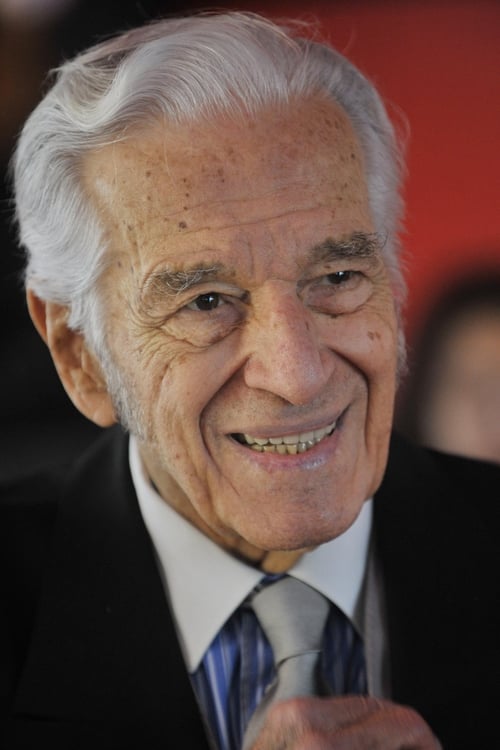




 Diana Dumbravă
as Priestess
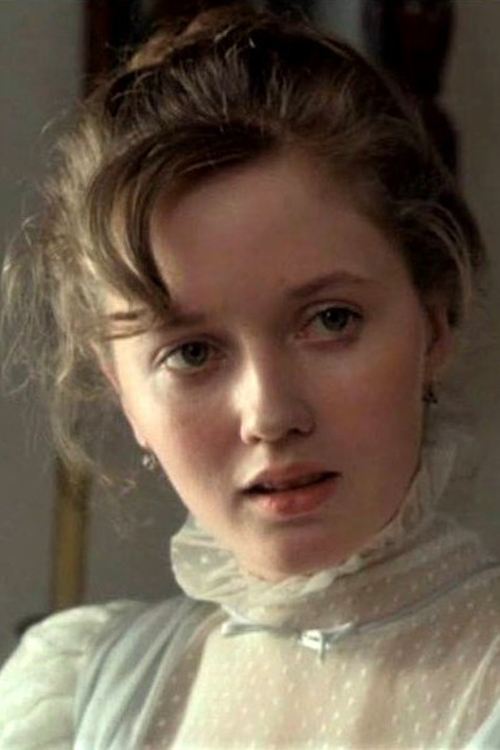
 Cristian Șofron
as Priest Anton