International Day for the Preservation of the Ozone Layer
On September 16

International Day for the Preservation of the Ozone Layer, celebrated annually on September 16th, commemorates the signing of the Montreal Protocol on Substances that Deplete the Ozone Layer in 1987. This day serves as a powerful reminder of the international community's collective effort to protect the fragile ozone layer, a vital shield in the Earth's stratosphere that absorbs the majority of the Sun's harmful ultraviolet (UV) radiation. This protection is crucial for safeguarding human health, preventing skin cancer, cataracts, and immune system suppression, as well as protecting terrestrial and aquatic ecosystems from UV damage.
The Montreal Protocol, lauded as one of the most successful multilateral environmental agreements in history, effectively phased out the production and consumption of ozone-depleting substances (ODS) like chlorofluorocarbons (CFCs), halons, and other chemicals used in refrigerants, aerosols, and fire extinguishers. Its success lies in its universal ratification, binding commitments, and flexible mechanisms that allowed for adjustments and amendments based on evolving scientific knowledge. The Protocol also established a Multilateral Fund to assist developing countries in meeting their obligations, ensuring a fair and equitable transition away from ODS.
Celebrating the International Day for the Preservation of the Ozone Layer each year provides an opportunity to raise awareness about the ozone layer's importance and the ongoing efforts to protect it. It's a time to educate the public, particularly younger generations, about the science behind ozone depletion, the role of ODS, and the positive impacts of the Montreal Protocol. Educational initiatives often include workshops, seminars, public lectures, and the dissemination of information through various media channels, encouraging individuals to adopt ozone-friendly practices in their daily lives.
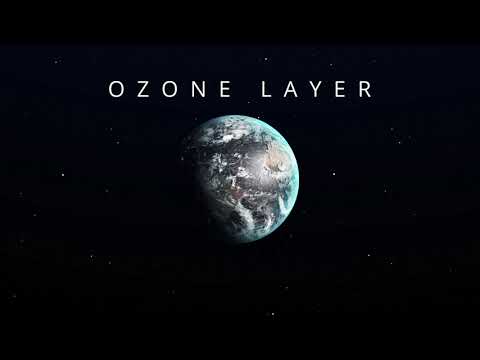 Beyond education, the day also serves as a platform to acknowledge the significant progress made in ozone layer recovery. Scientific data indicates that the ozone layer is slowly but steadily recovering, and is projected to return to pre-1980 levels by the middle of the 21st century. This recovery is a testament to the effectiveness of the Montreal Protocol and the commitment of nations to work together towards a common environmental goal. The success story provides a blueprint for addressing other global environmental challenges, such as climate change.
However, the work is not yet complete. While the initial phase-out of ODS has been remarkably successful, challenges remain. The illegal production and trade of ODS still pose a threat to the ozone layer's recovery. Furthermore, the Montreal Protocol has been amended to include the phase-down of hydrofluorocarbons (HFCs) under the Kigali Amendment. HFCs were initially introduced as replacements for ODS but are potent greenhouse gases that contribute to climate change. The Kigali Amendment aims to reduce HFC emissions, further benefiting both the ozone layer and the climate.
Ultimately, International Day for the Preservation of the Ozone Layer underscores the importance of global cooperation and scientific evidence in tackling environmental threats. It celebrates a successful international agreement that has not only protected the ozone layer but also contributed to mitigating climate change. By continuing to uphold the commitments of the Montreal Protocol and addressing emerging challenges, we can ensure a healthy planet for present and future generations, shielded from the harmful effects of UV radiation and a changing climate.