Panama Independence Day
On Wed, November 28, 1821
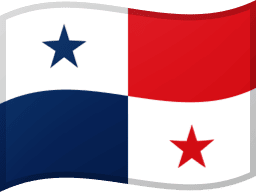
Panama Independence Day, celebrated annually on November 3rd, commemorates the nation's separation from Colombia in 1903. This pivotal moment marked the end of decades of Colombian rule, a period characterized by neglect and a lack of investment in the region, particularly concerning the crucial project of constructing a transoceanic canal. The seeds of independence were sown through growing discontent among the Panamanian people, who felt disconnected from the central government in Bogotá and yearned for greater autonomy.
The movement towards independence gained significant momentum in the late 19th and early 20th centuries, fueled by prominent figures like José Agustín Arango, Manuel Amador Guerrero, and others who envisioned a self-governing Panama capable of capitalizing on its strategic location and potential for economic prosperity. The dream of controlling the Panama Canal, a project vital to global trade, further solidified the resolve for independence. The Colombian government's perceived mismanagement of the canal project only amplified the desire for Panamanians to take control of their own destiny.
The declaration of independence on November 3, 1903, was swift and largely peaceful. A provisional government was formed, led by José Agustín Arango, and immediately sought recognition from international powers. The United States, eager to secure its interests in the Panama Canal, quickly recognized the newly formed Republic of Panama, paving the way for the construction of the canal under American control. This immediate recognition and subsequent support from the United States played a crucial role in solidifying Panama's independence.
The festivities surrounding Panama Independence Day are vibrant and culturally rich. Parades featuring patriotic displays, traditional dances, and music fill the streets. Panamanian flags are proudly displayed everywhere, and people dress in traditional attire, showcasing the country's unique heritage. Schools organize performances, and communities come together to celebrate their nation's hard-won freedom. The day is a powerful reminder of the courage and determination of the Panamanian people in forging their own path.
Beyond the parades and celebrations, Panama Independence Day holds deep historical significance. It represents a nation's struggle for self-determination and its unwavering belief in its own potential. The day serves as a reminder of the challenges faced and the sacrifices made by those who fought for Panama's sovereignty. It is a time for reflection on the country's past and a celebration of its present progress and future aspirations.
In conclusion, Panama Independence Day is not merely a historical event; it is a vibrant celebration of national identity, resilience, and the pursuit of self-governance. It is a day where Panamanians, both at home and abroad, unite to commemorate their nation's birth and reaffirm their commitment to building a prosperous and independent future. The day stands as a testament to the enduring spirit of a nation that dared to dream of a better future and fought tirelessly to achieve it.