Papua New Guinea Independence Day
On Tue, September 16, 1975
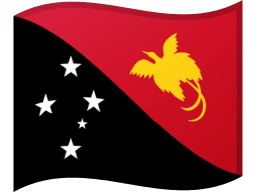
Papua New Guinea Independence Day, celebrated annually on September 16th, marks the nation's liberation from Australian administration and the establishment of a sovereign, independent state. This momentous occasion signifies the culmination of decades of political and social development, paving the way for Papua New Guinea to forge its own path on the global stage. The day is steeped in national pride and reflects the unique cultural tapestry woven from over 800 different languages and traditions.
The journey towards independence began following World War II, with growing calls for self-governance and a greater voice for Papua New Guineans in their own affairs. The Australian administration, initially resistant, gradually introduced reforms and expanded opportunities for political participation. By the early 1970s, a significant push for independence had gathered momentum, led by prominent figures like Michael Somare, who would later become the nation's first Prime Minister.
The official date of independence, September 16, 1975, was carefully chosen and followed years of constitutional drafting and careful negotiation with Australia. The day was marked by a grand ceremony in Port Moresby, the capital city, where the Australian flag was lowered, and the Papua New Guinean flag was raised for the first time. A newly composed national anthem was sung, and the country officially declared its independence, marking a historic transition.
Today, Independence Day is a vibrant national holiday characterized by colorful celebrations throughout the country. These festivities often include traditional sing-sings, where different cultural groups showcase their unique dances, music, and costumes. Parades, sporting events, and community gatherings are also common, fostering a sense of unity and national identity among Papua New Guineans.
Beyond the celebratory aspects, Independence Day also serves as a time for reflection and introspection. It provides an opportunity to acknowledge the challenges and complexities that Papua New Guinea has faced in its journey as an independent nation. These include issues such as economic development, political stability, and the preservation of cultural heritage.
Ultimately, Papua New Guinea Independence Day represents more than just the anniversary of a historical event. It is a symbol of national identity, cultural pride, and the collective aspirations of a diverse nation striving for a prosperous and sustainable future. The day serves as a reminder of the hard-fought struggle for self-determination and the ongoing commitment to building a better Papua New Guinea for generations to come.