Philippines Independence Day
On Sun, June 12, 1898
Philippine Independence Day, celebrated annually on June 12th, commemorates the declaration of independence from Spain in 1898. This pivotal event marked the end of over 300 years of Spanish colonial rule, a period characterized by cultural assimilation, economic exploitation, and political suppression. The seeds of revolution were sown throughout the late 19th century, fueled by growing Filipino nationalism and a desire for self-determination.
The spark that ignited the revolution was the discovery of the Katipunan, a secret revolutionary society led by Andrés Bonifacio. The Katipunan aimed to achieve independence through armed struggle, attracting widespread support from various sectors of Filipino society. After a series of initial setbacks, the revolution gained momentum under the leadership of Emilio Aguinaldo.
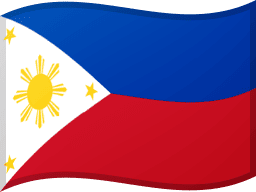
On June 12, 1898, in Kawit, Cavite, Emilio Aguinaldo, as the President of the revolutionary government, formally proclaimed the independence of the Philippines. The declaration, drafted by Ambrosio Rianzares Bautista, asserted the right of the Filipino people to be free and sovereign. The Philippine flag, designed by Aguinaldo himself, was unfurled for the first time, and the Philippine National Anthem, "Lupang Hinirang," was played, symbolizing the birth of a new nation.
However, the declaration of independence was not immediately recognized by international powers. The United States, which had intervened in the Spanish-American War, initially supported the Filipino revolutionaries but ultimately decided to purchase the Philippines from Spain in the Treaty of Paris. This led to the Philippine-American War, a bloody conflict that resulted in American colonization of the Philippines.
Despite the subsequent period of American rule, the spirit of independence ignited on June 12, 1898, remained a potent force in Filipino consciousness. The date serves as a reminder of the sacrifices made by countless Filipinos in their struggle for freedom and self-governance. It underscores the importance of national unity, patriotism, and the unwavering pursuit of a better future for the nation.
Today, Philippine Independence Day is a national holiday filled with parades, cultural performances, historical reenactments, and flag-raising ceremonies across the country and in Filipino communities around the world. It is a time for Filipinos to reflect on their history, celebrate their heritage, and reaffirm their commitment to the ideals of freedom, democracy, and national sovereignty. It's a day to honor the heroes of the past and inspire future generations to continue building a strong and independent Philippines.