Portugal Independence Day
On Sat, December 1, 1640
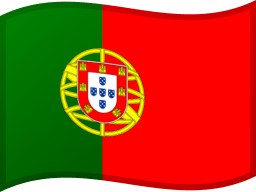
Portugal Independence Day, officially known as Day of Portugal, Camões, and the Portuguese Communities, is celebrated annually on June 10th. This national holiday commemorates the death of Luís Vaz de Camões, Portugal's national poet, who is believed to have died on this day in 1580. While the holiday carries Camões's name, it is fundamentally a celebration of Portugal's national identity, history, and the spirit of the Portuguese people, both within the country and across the global diaspora. It marks a pivotal moment in Portuguese history – the establishment of Portugal as an independent kingdom.
The holiday's historical roots trace back to the 12th century, specifically to the Battle of São Mamede in 1128. This battle, fought near Guimarães, is considered a turning point in the fight for Portuguese independence. Afonso Henriques, who would later become Afonso I, the first King of Portugal, defeated his mother, Countess Teresa of Portugal, a vassal of the Kingdom of León. This victory, while not immediately resulting in full independence, marked the beginning of Afonso Henriques's reign and the initiation of the efforts to establish a sovereign Portuguese state.
While the Battle of São Mamede ignited the flame, formal recognition of Portugal's independence wouldn't arrive until the Treaty of Zamora in 1143. This treaty, signed between Afonso Henriques and King Alfonso VII of León, officially acknowledged Portugal as an independent kingdom. Although the exact date of the treaty signing is debated, its significance is undeniable: it solidified Portugal's right to exist as a separate and sovereign nation, free from the influence of neighboring kingdoms.
June 10th, therefore, serves as a symbolic date for the celebration of this long and arduous struggle for independence. It acknowledges the collective effort of generations who fought to establish and defend the Portuguese nation. The inclusion of Camões in the holiday's name adds a cultural and literary dimension, recognizing the importance of Portuguese language and culture in shaping the nation's identity. Camões's epic poem, "Os Lusíadas," celebrates Portugal's golden age of exploration and reinforces a sense of national pride.
The festivities surrounding Portugal Independence Day often involve a variety of events, including military parades, official ceremonies, and cultural performances. The President of Portugal typically leads the national celebrations, often traveling to a different city or region each year to connect with citizens across the country. These official events are designed to reinforce national unity and celebrate the accomplishments of the Portuguese people.
Beyond the formal celebrations, Portugal Independence Day is also a time for families and communities to come together. Many people spend the day enjoying traditional Portuguese cuisine, attending local festivals, or simply reflecting on their national heritage. The day serves as a reminder of the sacrifices made by those who came before and a celebration of the enduring spirit of the Portuguese people, both at home and abroad. The emphasis on the Portuguese communities abroad, included in the holiday's name, highlights the importance of the diaspora in maintaining Portuguese culture and identity.