Sammy Davis Jr.
Born on Tue, December 8, 1925
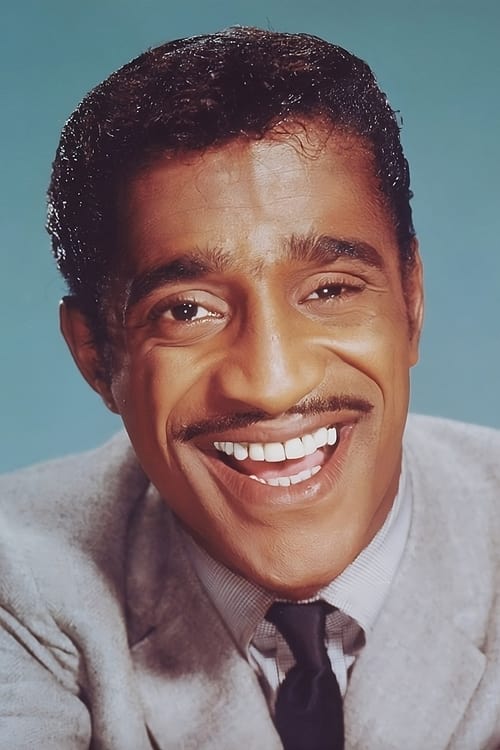
Davis Jr., born December 8, 1925, in Harlem, New York City, was an extraordinarily talented and versatile American entertainer. His career spanned over six decades, showcasing his prowess as a singer, dancer, actor, comedian, and impressionist. From a young age, he was immersed in the world of vaudeville, honing his skills alongside his father and uncle in the Will Mastin Trio. This early exposure provided him with a rigorous training ground, shaping him into the dynamic performer he would later become. He was not just a performer; he was a force of nature on stage, captivating audiences with his boundless energy and unmatched showmanship.
A defining aspect of Davis Jr.'s life and career was the racial prejudice he faced during a time of segregation and discrimination in America. Despite his immense talent and popularity, he encountered significant barriers, being denied access to certain venues and facing hostility due to his race. This injustice fueled his determination to break down racial barriers and advocate for civil rights. He actively participated in the Civil Rights Movement, using his platform to raise awareness and support for equality. His commitment to social justice made him a powerful voice for change, inspiring others to fight against discrimination.
His talent and stage presence were undeniable. Samuel George was a master of many performance forms. His singing voice was distinctive, ranging from smooth ballads to energetic swing tunes. As a dancer, he possessed incredible agility and precision, captivating audiences with his tap-dancing routines. His acting ability allowed him to excel in films, television, and stage productions, portraying a diverse range of characters. And his comedic timing and impression skills were unparalleled, earning him widespread acclaim and laughter.
Samuel George achieved widespread recognition and success, becoming one of the most beloved entertainers of his time. He starred in numerous films, including "Ocean's 11" and "Sweet Charity," and released several hit records, such as "The Candy Man" and "Mr. Bojangles." His performances on Broadway were equally acclaimed, earning him Tony Award nominations. His multifaceted talent and charismatic personality endeared him to audiences of all backgrounds, solidifying his status as an icon of American entertainment.
Despite his immense success, Samuel George struggled with personal demons, including addiction and complex relationships. His personal life was often scrutinized by the media, adding to the pressures he faced. However, he remained resilient, continuing to perform and entertain throughout his career. His willingness to be vulnerable and open about his struggles made him a relatable figure to many, further cementing his connection with his fans.
Samuel George's legacy as an entertainer and civil rights advocate continues to inspire generations. His contributions to the world of entertainment were immense, and his efforts to promote equality and justice left a lasting impact. He broke down racial barriers, challenged societal norms, and paved the way for future generations of performers of color. Even after his passing on May 16, 1990, his influence can still be felt today, reminding us of the power of talent, perseverance, and the pursuit of a more just world.
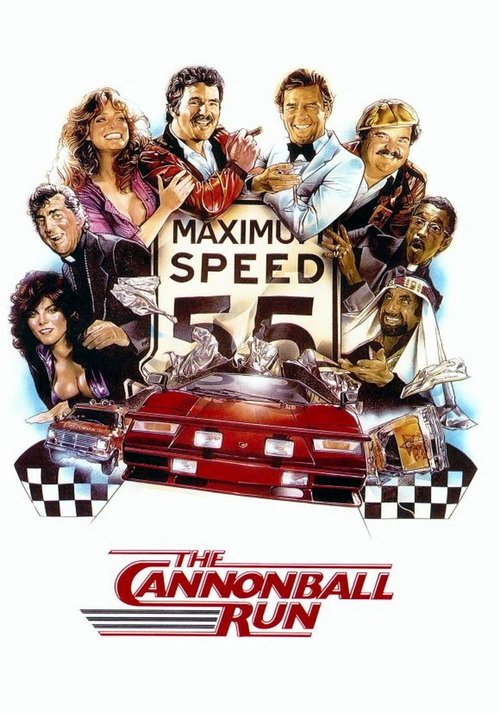 The Cannonball Run
as Fenderbaum
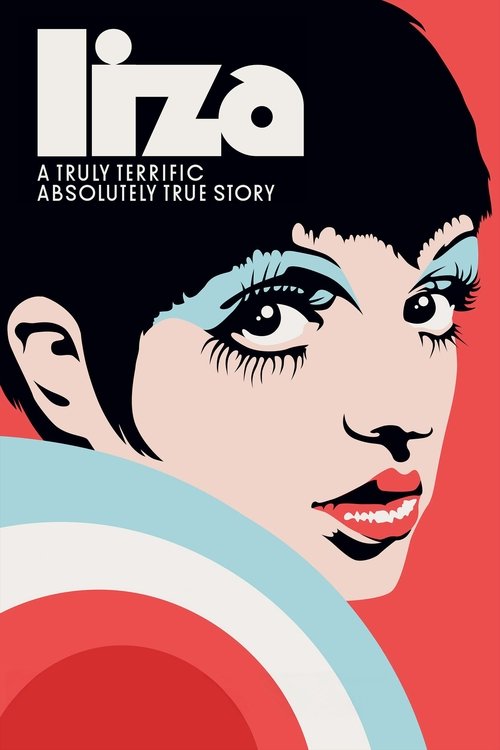 Liza: A Truly Terrific Absolutely True Story
as Self (archive footage) (uncredited)
 Sweet Charity
as Big Daddy
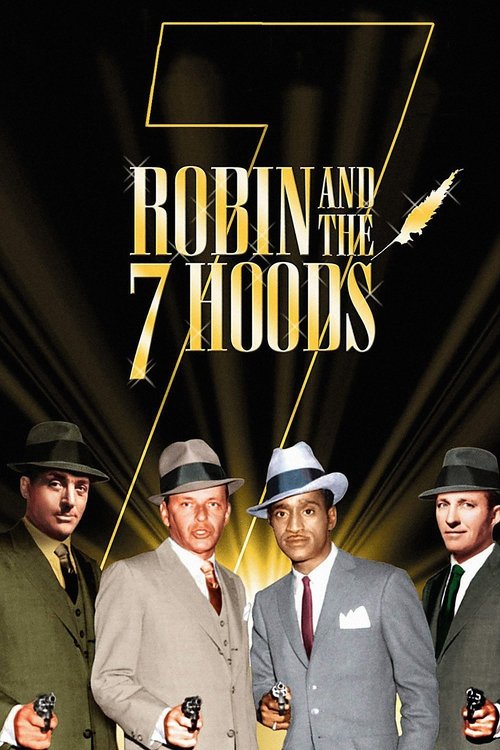 Robin and the 7 Hoods
as Will Scarlet
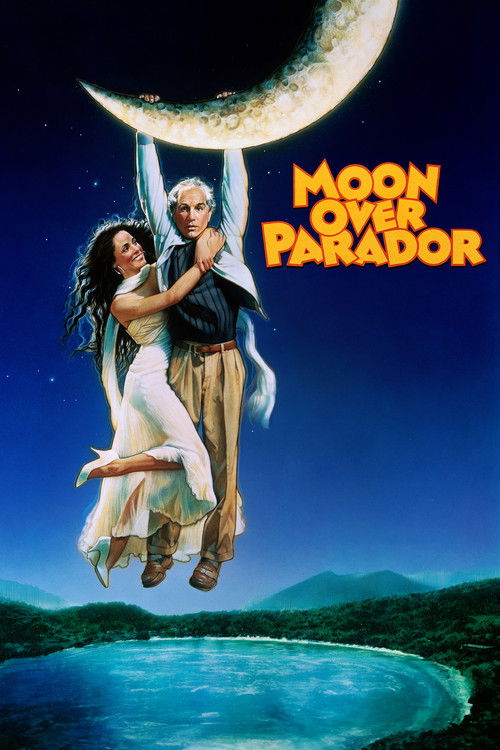 Moon Over Parador
as Self
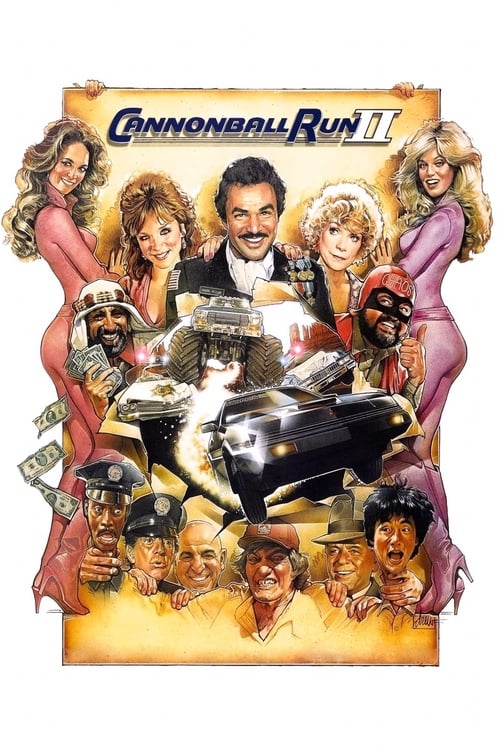 Cannonball Run II
as Fenderbaum
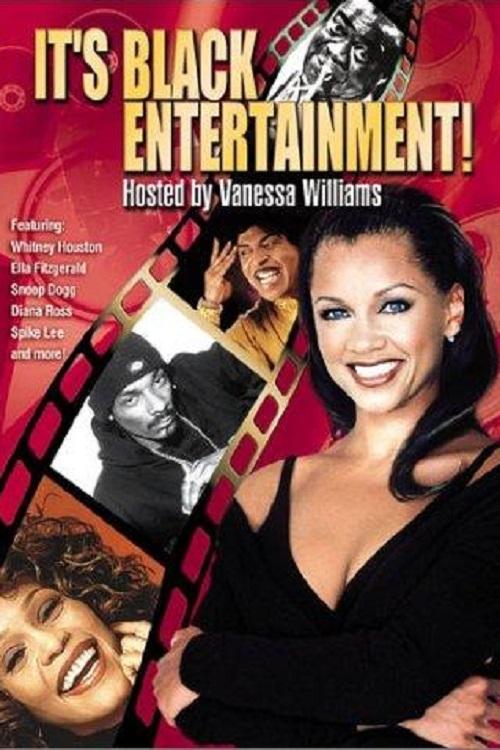 It's Black Entertainment
as Self (archive footage)
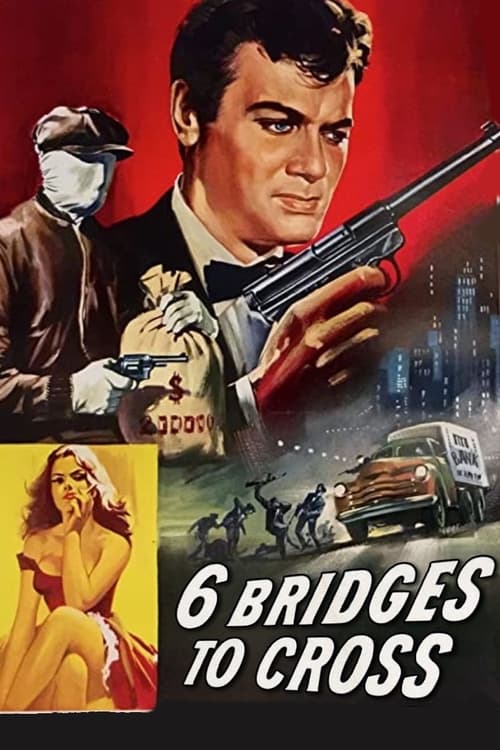 Six Bridges to Cross
as Uncredited
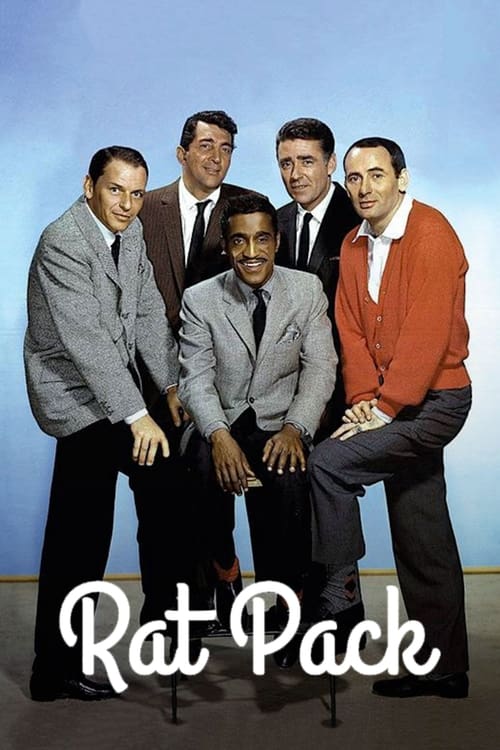 Rat Pack
as Self (archive footage)
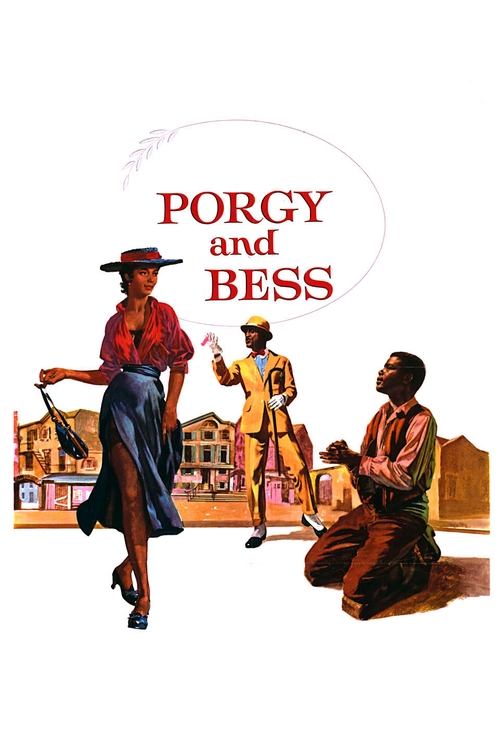 Porgy and Bess
as Sportinu0027 Life
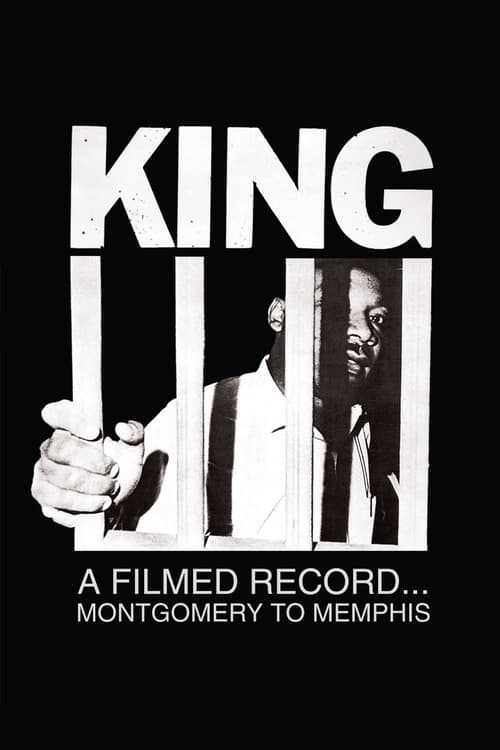 King: A Filmed Record... Montgomery to Memphis
as Self (archive footage)
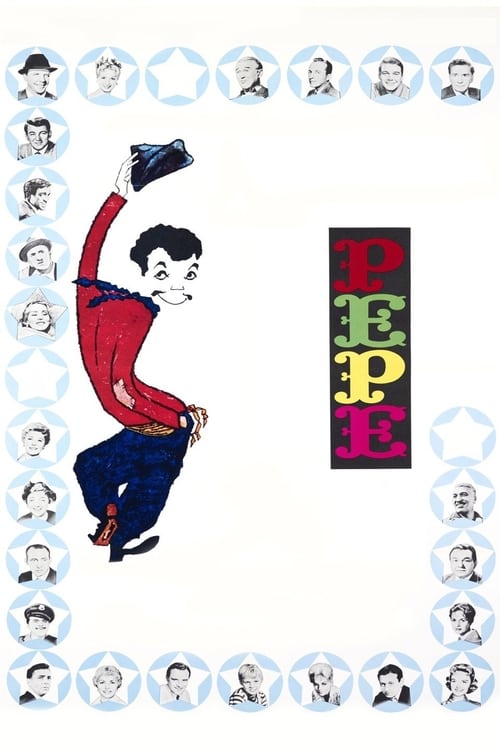 Pepe
Pepe
as Sammy Davis Jr.