Setea
Released on Thu, October 20, 1960

"Setea," which translates to "Thirst" in English, is a poignant Bulgarian film set in the aftermath of World War II and the rise of communist influence in the country. The story unfolds in a rural village grappling with profound social and political upheaval. The film delicately portrays the lives of ordinary people caught in the crosscurrents of history, revealing their struggles to adapt to a rapidly changing world. The central theme revolves around the metaphorical thirst of these individuals, a longing for stability, justice, and ultimately, a sense of purpose in a society undergoing a radical transformation.
The narrative centers on the once-powerful landowners, the *boyars*, and their families, who find their traditional way of life crumbling beneath them. The film depicts the shift of land ownership as the old order gives way to the new political regime. In the village, the authorities were redistributing land. This land used to be owned by a few elite families. Now it was being shared among the common people, the farmers who actually worked the soil.
This redistribution process creates significant tension and conflict within the community. The previously privileged class finds themselves displaced and stripped of their power. They have to face the humiliation of losing their ancestral lands and social status. The film sensitively explores their psychological distress, their sense of loss, and their struggle to find a place in this unfamiliar world. Some attempt to resist the changes, clinging to their past, while others reluctantly accept the new reality and try to navigate it as best they can.
On the other hand, the film also portrays the hopes and aspirations of the landless peasants and rural workers who stand to benefit from the shift. They are hopeful that this new system will bring them greater economic opportunity and social equality. They see this redistribution of land as a chance to finally own the land they have always toiled on. They yearn for a more just and equitable society, free from the oppression of the old order. The film captures their anticipation and excitement, their belief that a better future is within reach.
However, "Setea" doesn't shy away from depicting the complexities and contradictions of this historical moment. The redistribution is not always implemented fairly. The consequences can be unpredictable and disruptive. The film shows how political opportunism, personal rivalries, and ideological conflicts can further complicate the situation. The film suggests that while there is optimism about the future, there is also a fear that the changes will have unintended negative consequences.
Ultimately, "Setea" is a powerful exploration of a pivotal period in Bulgarian history, told through the intimate stories of its people. It's a meditation on the themes of power, loss, hope, and the enduring human spirit in the face of profound societal change. It reminds us that historical transitions are rarely simple. They are often fraught with conflict and uncertainty, requiring individuals to make difficult choices and adapt to circumstances beyond their control.
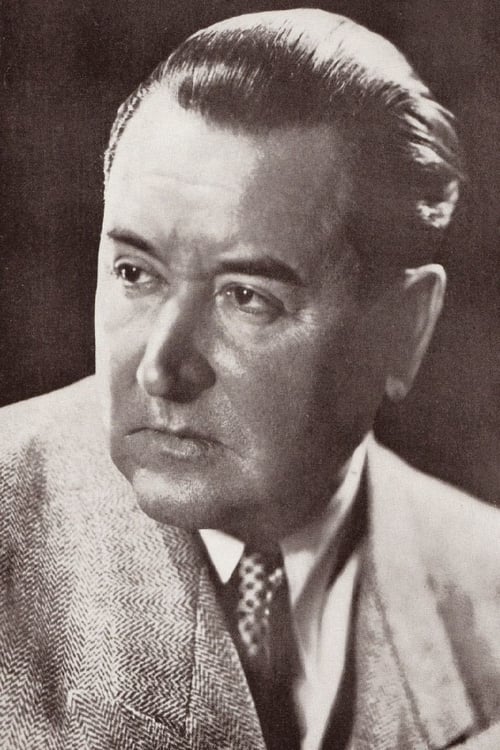 George Calboreanu
as Gavrilă Ursu



 Flavia Buref
as Iuliana
 Jules Cazaban
as Baronul Popp de Zerind
 Sandu Sticlaru
as Petre
 Mircea Balaban
as Avocat