Suriname Independence Day
On Tue, November 25, 1975
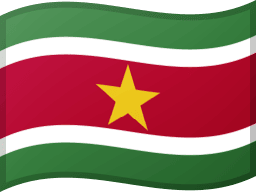
Suriname Independence Day, celebrated annually on November 25th, marks the day in 1975 when Suriname officially gained independence from the Netherlands, ending over three centuries of Dutch colonial rule. This pivotal moment in Surinamese history represents the culmination of a long struggle for self-determination and the dawn of a new era for the nation. It signifies the end of colonial dependency and the commencement of sovereign governance, empowering the Surinamese people to chart their own course and build their own future.
The road to independence was paved with political negotiations and growing calls for self-governance. The desire for liberation from colonial rule intensified in the mid-20th century, mirroring similar movements across the globe. Political parties emerged advocating for greater autonomy and, ultimately, complete independence. Through persistent dialogue and strategic maneuvering, Suriname eventually secured the Netherlands' agreement to grant independence, setting the stage for the historic declaration on November 25th, 1975.
The celebrations on Independence Day are a vibrant display of Surinamese culture and national pride. Festivities typically include parades featuring traditional music and dances, showcasing the rich diversity of the Surinamese population. The national flag, a symbol of the nation's newfound sovereignty, is prominently displayed, and the national anthem is sung with fervor. Public gatherings, speeches, and cultural performances are common, fostering a sense of unity and collective identity among Surinamese citizens.
Beyond the festive atmosphere, Independence Day serves as a powerful reminder of the challenges and triumphs faced during the transition to nationhood. The early years of independence were marked by political instability, economic challenges, and social tensions. However, the Surinamese people persevered, working to establish a stable democracy and build a prosperous nation. The day encourages reflection on the sacrifices made and the progress achieved in forging a unified and self-reliant Suriname.
In modern-day Suriname, Independence Day remains a significant national holiday, fostering a deep sense of patriotism and cultural identity. Schools and businesses are typically closed, allowing people to participate in the celebrations and reflect on the significance of the day. It is a time for families and communities to come together, share stories, and reaffirm their commitment to the nation's future. The day provides an opportunity to educate younger generations about the historical context of independence and the importance of preserving their cultural heritage.
Suriname Independence Day is more than just a historical event; it is a symbol of resilience, self-determination, and national unity. It serves as a constant reminder of the importance of safeguarding the nation's sovereignty and working towards a better future for all Surinamese people. The celebrations reflect the country's rich cultural tapestry and the unwavering spirit of its people, who continue to strive for progress and prosperity on their own terms. The day is a celebration of freedom, identity, and the enduring hope for a brighter future for Suriname.