Sympathy for the Devil by The Rolling Stones
Released on Fri, December 6, 1968

"Sympathy for the Devil," released in 1968 on The Rolling Stones' album *Beggars Banquet*, is a song that immediately grabs your attention with its driving rhythm, hypnotic piano chords, and Mick Jagger's theatrical vocals. The song is sung from the perspective of Lucifer himself, who introduces himself as a force of chaos and influence throughout human history. He claims responsibility for some of humanity's most brutal and devastating events, weaving a narrative that challenges listeners to confront the dark side of human nature.
The lyrics are a masterful blend of historical references and provocative statements. Lucifer recounts his presence at events like the crucifixion of Jesus Christ, the Russian Revolution, and the World Wars, subtly suggesting his involvement in these tragedies. By personifying evil, the song encourages introspection about the destructive potential within ourselves and the forces that can lead to violence and inhumanity. The provocative nature of the lyrics, especially referencing Jesus Christ, contributed to some controversy surrounding the song, further fueling its mystique.
Musically, "Sympathy for the Devil" is a unique blend of rock and Latin influences. The driving percussion, provided by a combination of traditional drum kit and congas, creates a rhythmic foundation that's both danceable and intensely powerful. Nicky Hopkins' piano playing adds a layer of sophistication and intrigue, weaving through the song with elegant chord progressions and melodic flourishes. The overall effect is a hypnotic and engaging soundscape that perfectly complements the song's dark and philosophical themes.
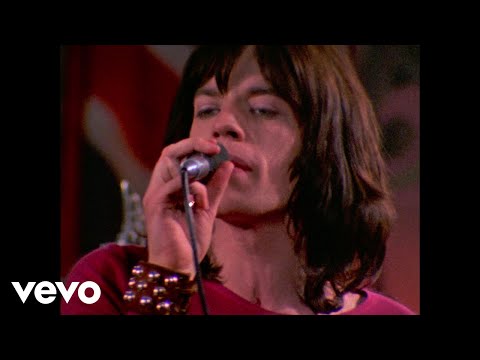 One of the most memorable aspects of the song is the "woo woo" backing vocals, contributed by the rest of the band. These seemingly simple chants add a tribal and almost ritualistic quality to the music, further enhancing the song's sense of dark allure. The call-and-response dynamic between Jagger's lead vocals and the "woo woos" creates a sense of interaction and involvement, drawing the listener deeper into Lucifer's seductive narrative.
The song's impact extends beyond its initial release. "Sympathy for the Devil" has become a staple of The Rolling Stones' live performances, often featuring extended improvisations and theatrical stagecraft. Its enduring popularity speaks to its ability to resonate with audiences on a deep and profound level. The song's complex themes, combined with its captivating musical arrangement, have made it a subject of ongoing discussion and analysis.
In conclusion, "Sympathy for the Devil" is more than just a rock song; it's a provocative and thought-provoking exploration of human nature and the enduring power of evil. Its unique blend of musical styles, combined with Mick Jagger's masterful performance and the song's controversial subject matter, has cemented its place as a classic in The Rolling Stones' discography and a landmark achievement in rock music history. The song challenges us to acknowledge the darker aspects of our history and ourselves, making it a timeless and unsettling masterpiece.