Tanzania Independence Day
On Sat, December 9, 1961
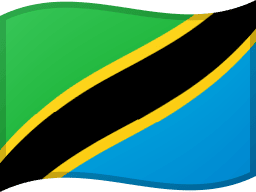
Tanzania Independence Day, celebrated annually on December 9th, marks the culmination of a long struggle for self-determination and the end of British colonial rule. This day is a significant national holiday in Tanzania, a time for reflection on the nation's journey, celebrating its achievements, and looking forward to a future built on the principles of freedom, unity, and progress. It commemorates the day Tanganyika, the mainland portion of present-day Tanzania, gained its independence in 1961. Zanzibar, the archipelago off the coast, achieved its independence separately in 1963 before uniting with Tanganyika in 1964 to form the United Republic of Tanzania.
The path to independence was paved by the tireless efforts of Tanzanian nationalists, notably led by Julius Nyerere, who founded the Tanganyika African National Union (TANU). Nyerere, a charismatic and visionary leader, advocated for peaceful resistance and mobilized the population to demand an end to British rule. His powerful speeches and unwavering commitment to social justice resonated deeply with the people, galvanizing them to unite in the face of colonial oppression. Nyerere's leadership was crucial in navigating the complexities of the political landscape and securing the support of both domestic and international actors.
Independence Day celebrations in Tanzania are typically vibrant and filled with patriotic fervor. Parades featuring military personnel, school children, and cultural groups march through the streets, showcasing the nation's diversity and strength. Traditional music and dances fill the air, reflecting the rich cultural heritage of Tanzania's various ethnic groups. Public speeches by government officials highlight the significance of the day and outline the country's development agenda.
Beyond the festivities, Tanzania Independence Day serves as a poignant reminder of the challenges overcome in the pursuit of freedom. It is a time to remember the sacrifices made by those who fought for independence and to honor their legacy. It underscores the importance of preserving the hard-won gains of self-determination and safeguarding the principles of democracy and good governance.
Furthermore, Independence Day presents an opportunity to reflect on the progress made in various sectors, including education, healthcare, infrastructure, and economic development. It allows the nation to assess its achievements and identify areas where further improvements are needed. It is a time to reaffirm the commitment to building a prosperous and equitable society for all Tanzanians.
Ultimately, Tanzania Independence Day is more than just a commemoration of a historical event. It is a celebration of national identity, a testament to the resilience and determination of the Tanzanian people, and a reaffirmation of their commitment to building a brighter future. It is a day that embodies the spirit of unity, freedom, and progress, inspiring generations to come to uphold the values that underpin the nation's success.