The Great Dictator
Released on Tue, October 15, 1940
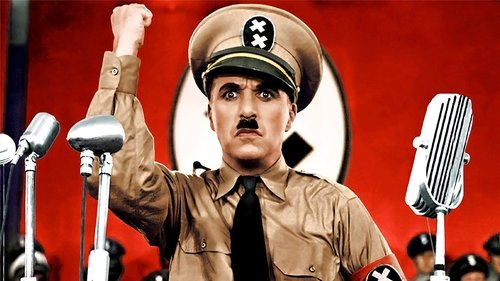
"The Great Dictator," released in 1940, stands as a landmark achievement in cinema, a satirical masterpiece crafted by Charlie Chaplin at a time when the world was teetering on the brink of war. Boldly confronting the rising tide of fascism, Chaplin uses his signature slapstick humor and poignant storytelling to expose the absurdity and inherent cruelty of dictatorial rule. He aimed to deliver a powerful message about humanity, tolerance, and the importance of standing up against oppression, all while entertaining audiences with his comedic genius.
The film's central narrative revolves around two distinct yet intertwined characters. On one side, we have Adenoid Hynkel, a thinly veiled caricature of Adolf Hitler, the ruthless dictator of the fictional nation of Tomania. Hynkel, driven by an insatiable hunger for power and territorial expansion, embodies the dangers of unchecked authority and the devastating consequences of his ambition. He represents the very real threat of fascism that was spreading across Europe at the time.
Parallel to Hynkel's story is that of an unnamed Jewish barber, played also by Chaplin, who bears a striking resemblance to the dictator. This barber, a kind and unassuming man, finds himself caught in the crosshairs of Hynkel's increasingly oppressive regime. As persecution against Jews intensifies in Tomania, the barber struggles to survive, facing constant threats to his safety and freedom.
The barber is constantly attempting to avoid the increasingly hostile environment created by Hynkel's government, which subjects the Jewish population to terrible treatment. His life becomes a constant struggle as he navigates the dangers and injustices that surround him, highlighting the plight of those targeted by oppressive ideologies. The story showcases the horrifying reality of those living under such regimes, who face discrimination and violence on a daily basis.
The film masterfully intertwines these two narratives, creating a powerful contrast between the excesses of power and the struggles of the ordinary citizen. Through slapstick comedy and poignant moments of drama, Chaplin exposes the hypocrisy and brutality of Hynkel's regime, highlighting the suffering inflicted upon the Jewish community and all those who dared to oppose him. The narrative builds towards an unforgettable climax that transcends pure comedy and leaves the audience with a profound message.
Ultimately, "The Great Dictator" culminates in a powerful and iconic speech delivered by the barber, who is mistaken for Hynkel. Seizing the opportunity, he abandons his charade and speaks from the heart, delivering a passionate plea for humanity, peace, and understanding. This speech, a direct address to the audience, is a stirring call to reject hatred and embrace compassion, cementing the film's legacy as a timeless testament to the power of hope and the importance of fighting for a better world.
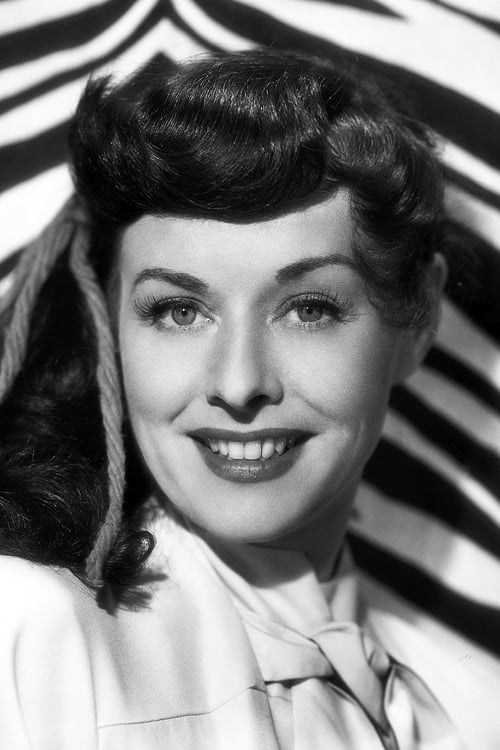 Paulette Goddard
as Hannah
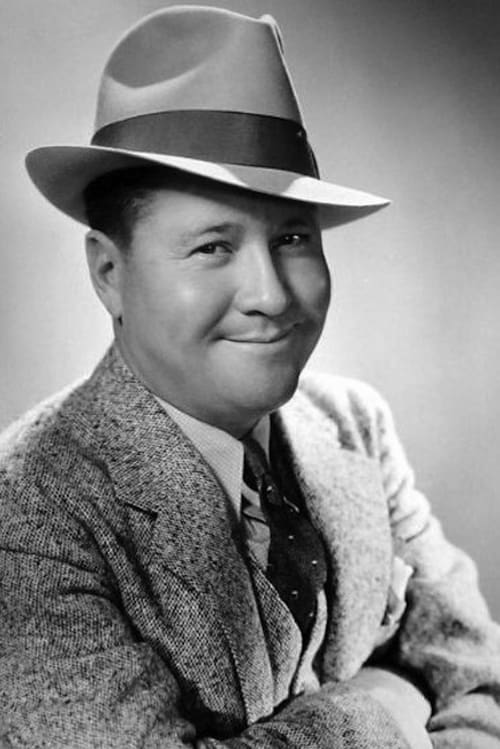 Jack Oakie
as Benzino Napaloni, Dictator of Bacteria
 Reginald Gardiner
as Commander Schultz
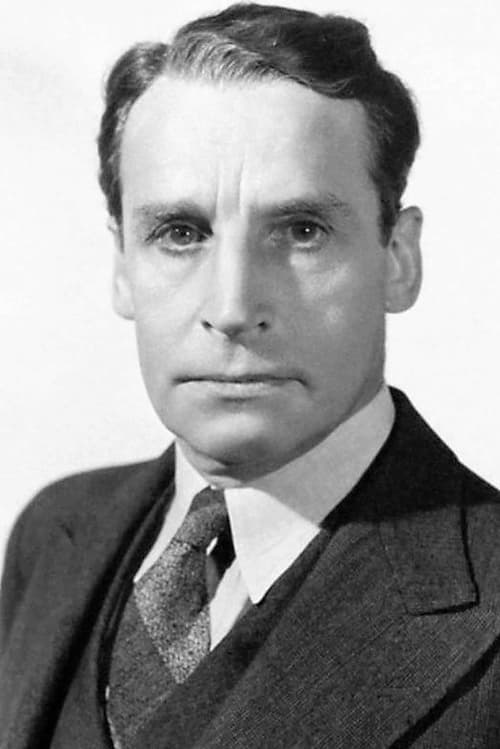 Henry Daniell
as Garbitsch
 Billy Gilbert
as Field Marshal Herring
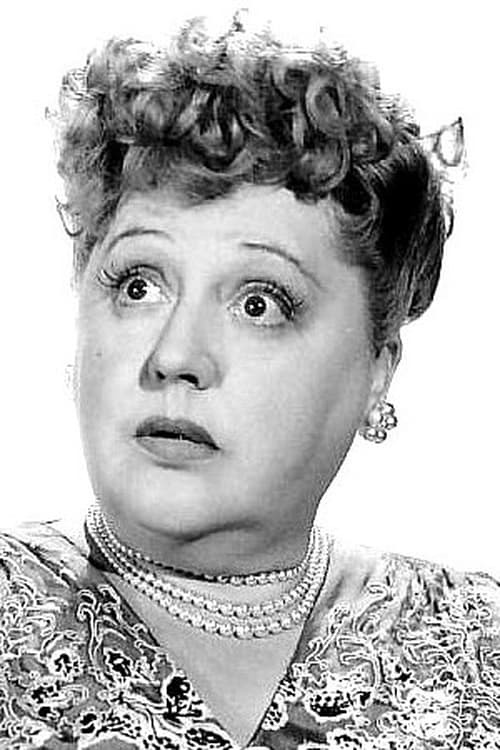 Grace Hayle
as Madame Napaloni
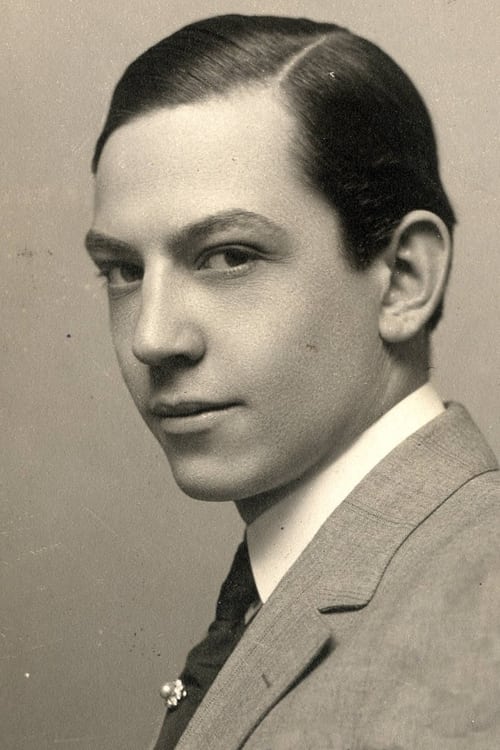 Carter DeHaven
as Spook