Horea
Released on Mon, November 5, 1984
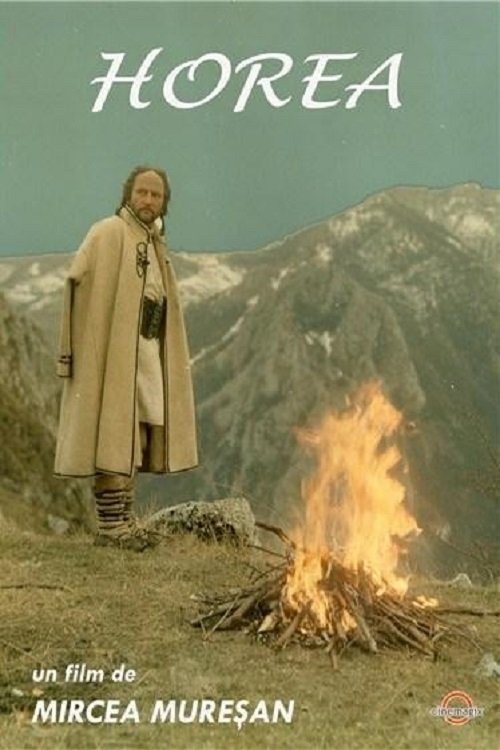
"Horea," a 1984 Romanian historical drama, meticulously recreates the turbulent events of the 1784 peasant uprising in Transylvania, led by Horea, Cloșca, and Crișan. It's not just a retelling of history, but a visual poem bringing to life the plight and courage of these figures, whose actions reverberated through the social fabric of the time. The film serves as a cinematic portrayal of the events surrounding these leaders, presenting a dramatic and emotionally charged depiction of their struggles.
The film beautifully illustrates the heavy burdens carried by the Romanian peasantry under the yoke of Habsburg rule. Years of oppression, economic exploitation, and denial of basic rights culminated in a boiling point of resentment. The dire circumstances fueled the uprising, revealing the depth of the divide between the privileged nobility and the struggling commoners. It paints a portrait of systemic injustice, showing why the peasantry were driven to desperate measures.
Horea, the charismatic leader, is depicted as a man of the people, deeply connected to their suffering and driven by a burning desire for justice. The film focuses on his unwavering conviction and leadership as he attempts to navigate the treacherous political landscape. His close comrades, Cloșca and Crișan, stand beside him, embodying the spirit of unity and the collective will of the oppressed.
The narrative portrays the dramatic events of the uprising, starting with the initial sparks of rebellion and rapidly escalating into a widespread revolt that threatened the established order. The film doesn't shy away from depicting the violence and brutality that characterized this tumultuous period, showing the desperate measures undertaken by both sides of the conflict.
As the uprising gains momentum, the Austrian authorities respond with force, leading to bloody confrontations and ultimately the capture of the leaders. The film emphasizes the unwavering resolve of Horea, Cloșca, and Crișan, even in the face of torture and impending execution, demonstrating their commitment to their cause and the principles they fought for.
"Horea" ultimately stands as a powerful tribute to these historical figures and a poignant reminder of the struggles for social justice. The film lingers on the legacy of these leaders, suggesting that their actions continue to inspire movements for equality and freedom. It leaves audiences contemplating the significance of their sacrifice and the enduring power of resistance against oppression. It is a dramatic representation of the lives and actions of Horea, Cloșca, and Crișan, capturing the historical events and the emotional core of their leadership.
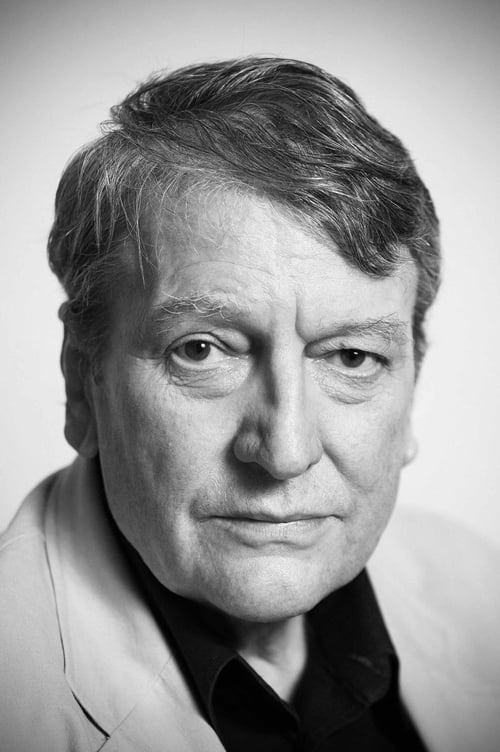
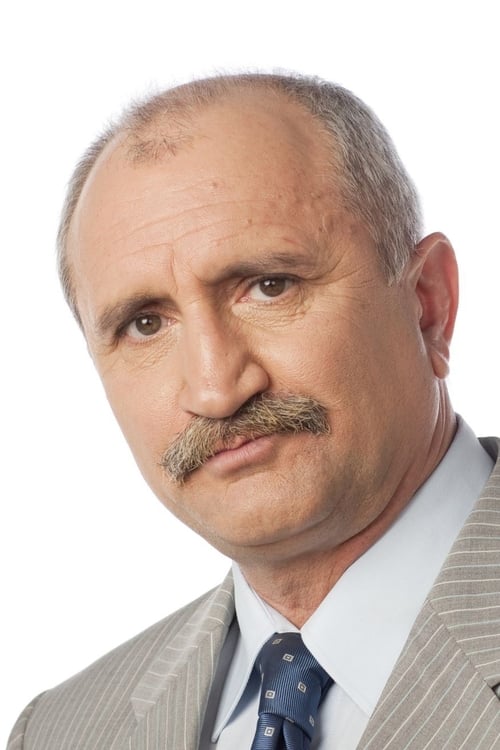
 Dan Săndulescu
as Crişan
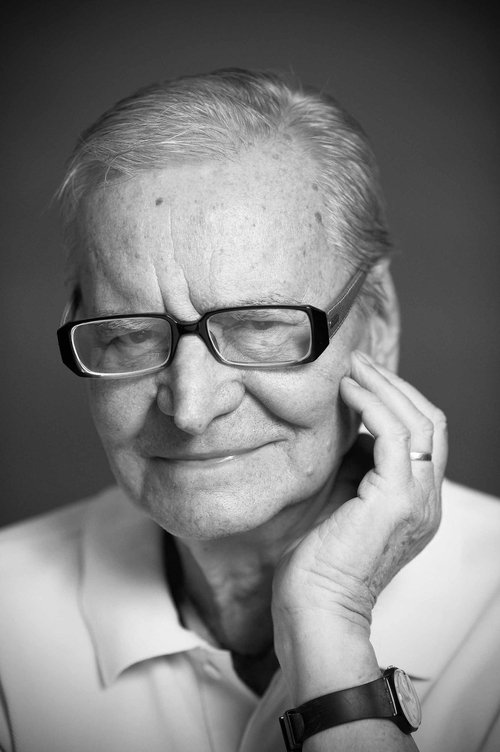 Radu Beligan
as Count Iancovici

 Enikõ Szilágyi
as Agnes
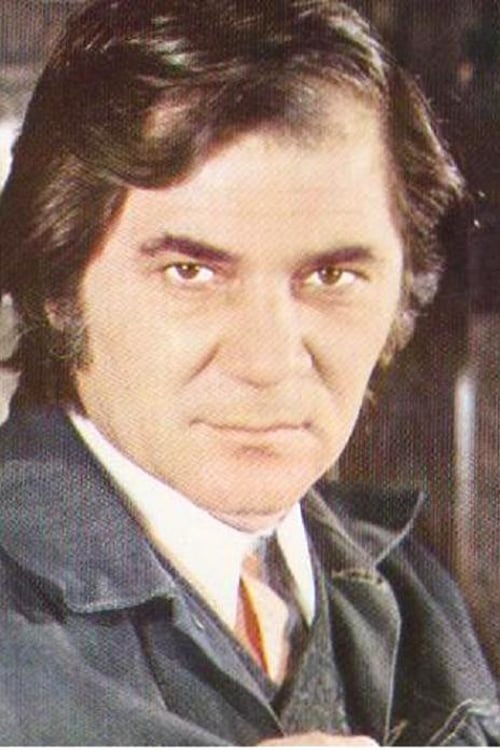
 Petre Gheorghiu
as Popa Rostogol