Şerban Ionescu
Born on Sat, September 23, 1950
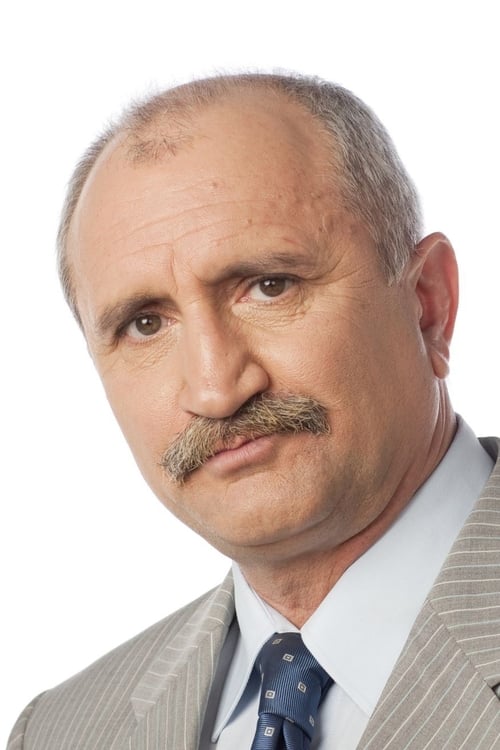
Şerban Ionescu was a prominent and versatile Romanian actor, recognized for his compelling stage presence and powerful performances in both theater and film. He possessed a natural charisma and a commanding physicality, making him a sought-after talent across various dramatic genres. His career spanned several decades, during which he established himself as a leading figure in Romanian cinema and theater, leaving an indelible mark on the cultural landscape. He was known for his dedication to his craft and his ability to embody complex characters with depth and nuance.
Born in Corabia, Romania, on September 23, 1950, Ionescu began his acting career after graduating from the Institute of Theatre and Film I.L. Caragiale in Bucharest. He quickly gained recognition for his talent and landed significant roles in both stage and film productions. His early work established him as a promising young actor with a wide range, capable of tackling both comedic and dramatic roles. The vibrant Romanian film scene of the late 20th century provided him with ample opportunity to showcase his abilities and connect with audiences.
Ionescu's filmography is rich and diverse, encompassing historical dramas, contemporary romances, and gritty social commentaries. He was often cast in roles that required strength and intensity, and he consistently delivered performances that were both believable and captivating. Some of his most memorable film appearances include roles in "Mihai Viteazul" (1971), a historical epic about a Romanian prince, and "Ion, blestemul pamantului, blestemul iubirii" (1980), an adaptation of a classic Romanian novel. His portrayals were often marked by a vulnerability that added depth to even the most hardened characters.
 Beyond his film work, Ionescu was a celebrated stage actor, captivating audiences in numerous productions at prestigious theaters across Romania. He had a deep understanding of classical theater and excelled in roles from Shakespearean tragedies to contemporary dramas. His stage presence was undeniable, and his ability to connect with the audience on an emotional level made him a favorite among theatergoers. He approached each role with meticulous preparation and a commitment to understanding the character's motivations, resulting in memorable and impactful performances.
While primarily known for his acting career, Ionescu was also involved in other creative pursuits, including scriptwriting and direction. He demonstrated his multifaceted talent by contributing to various aspects of film and theater production. This broader involvement in the artistic process allowed him to explore different creative avenues and further enrich his understanding of the art of storytelling. It also provided him with a deeper appreciation for the collaborative nature of filmmaking and theater.
Şerban Ionescu passed away on November 21, 2012, after battling Amyotrophic Lateral Sclerosis (ALS). His death was a significant loss to the Romanian artistic community and marked the end of a remarkable career. He left behind a legacy of memorable performances and a body of work that continues to inspire and entertain audiences. His contributions to Romanian cinema and theater have cemented his place as one of the country's most respected and beloved actors. Even after his passing, his performances continue to be celebrated, ensuring that his impact on Romanian culture will endure for generations to come.
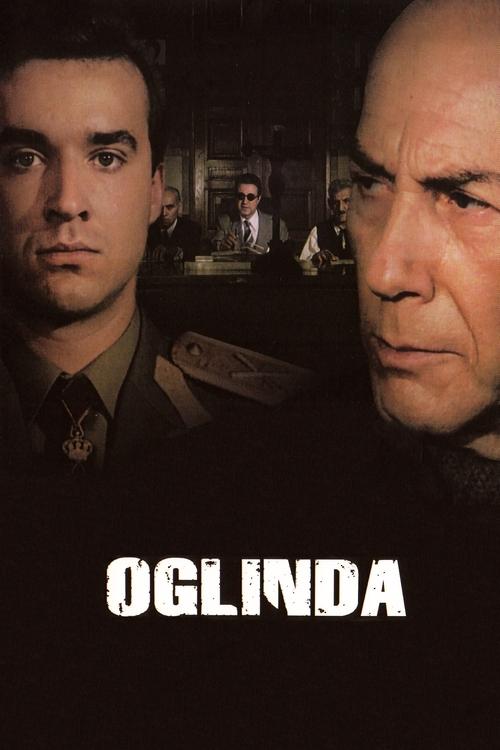 Mirror
as Lucretiu Patrascanu
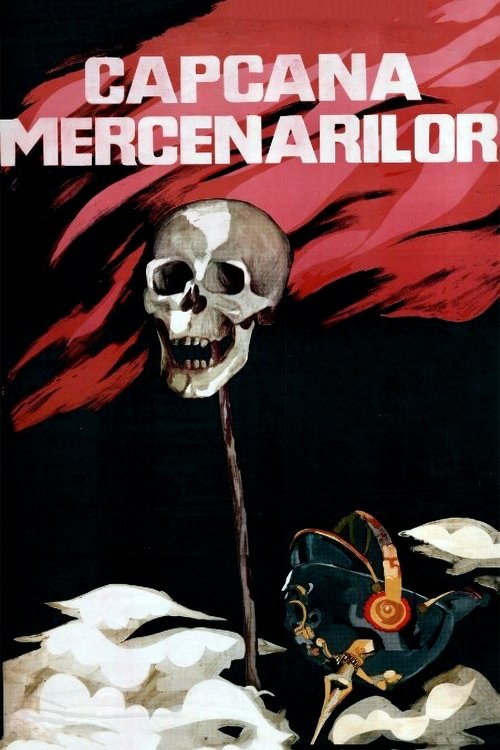
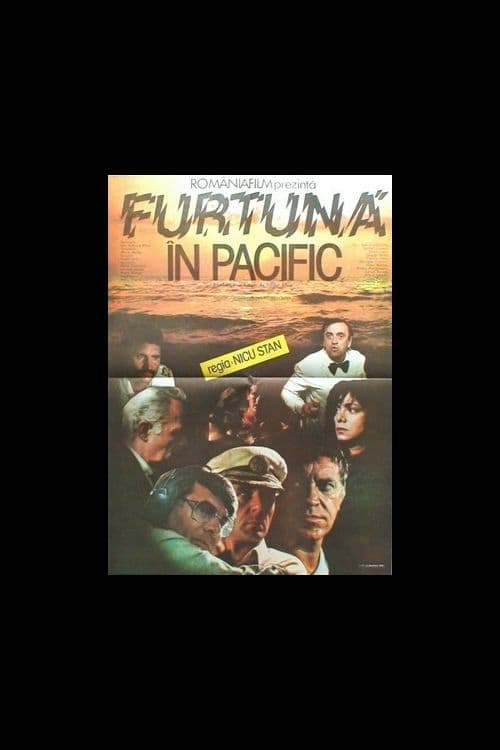 Furtună în Pacific
as Cristian Atanasiu
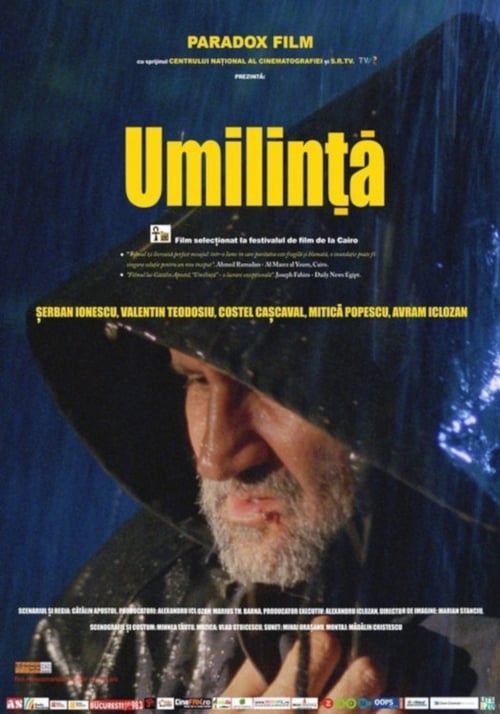 Umilință
as Pacoste
 Maria
Maria
as Ion
 Sindromul Timișoara
as
 The Miracle
as Matei Ciobăieșu
 15
15
as