Mircea
Released on Fri, November 17, 1989
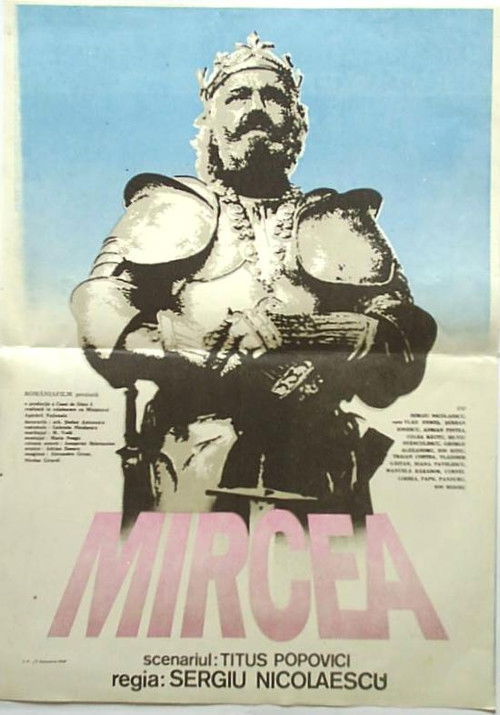
"Mircea," a historical drama, plunges viewers into the turbulent political landscape of 14th-century Wallachia. The movie's narrative core revolves around the weighty decisions facing King Mircea the Elder. He is a sovereign grappling with the precarious balance of power in a region caught between two powerful empires. The year is 1394, a pivotal moment where the future of Wallachia hangs in the balance, dependent on the choices of its leader.
At the heart of Mircea's dilemma lies the question of alliances. He is faced with a critical decision: should he align his kingdom with the Polish forces, offering a potentially valuable, albeit risky, partnership in the fight against the encroaching Ottoman Empire? Or would a pact with the Turks themselves, while seemingly appeasing their power, ultimately lead to the erosion of Wallachian sovereignty and independence? This choice dictates the film's direction.
The film vividly depicts the intricate web of political maneuvering and the personal struggles that accompany such momentous decisions. Mircea, portrayed as a thoughtful and discerning ruler, is forced to weigh the immediate benefits against the long-term consequences of each path. He must consider not only the military strength each alliance would provide, but also the cultural and political implications for his people.
 The specter of Ottoman expansion looms large, casting a shadow over Wallachia. Mircea is acutely aware of the relentless pressure exerted by the Turkish forces, who threaten to engulf the region and impose their rule. This threat necessitates a calculated response, one that balances the desire for survival with the preservation of Wallachia's unique identity and traditions.
Within the walls of his royal court, Mircea engages in intense consultations with his advisors. Each offers their own perspectives and recommendations, reflecting the complex and often conflicting interests within Wallachian society. Some favor the alliance with Poland, seeing it as a partnership built on shared values and a commitment to resisting Ottoman aggression. Others advocate for a pragmatic accommodation with the Turks, arguing that submission may be the only way to avoid destruction.
Ultimately, "Mircea" offers a captivating exploration of leadership in times of crisis. It highlights the burden of responsibility that falls upon those who must make difficult choices with far-reaching consequences. The film leaves the audience to ponder the complex calculations involved in navigating the treacherous currents of geopolitics and the enduring impact of decisions made under the weight of historical pressures.
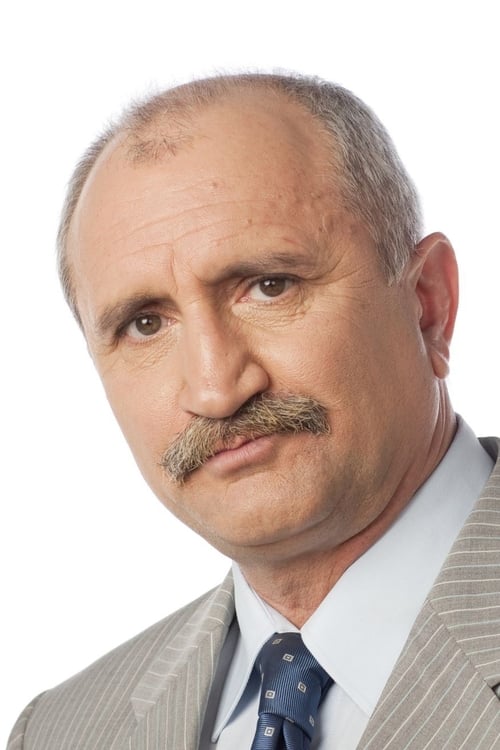

 Vlad Nemes
as

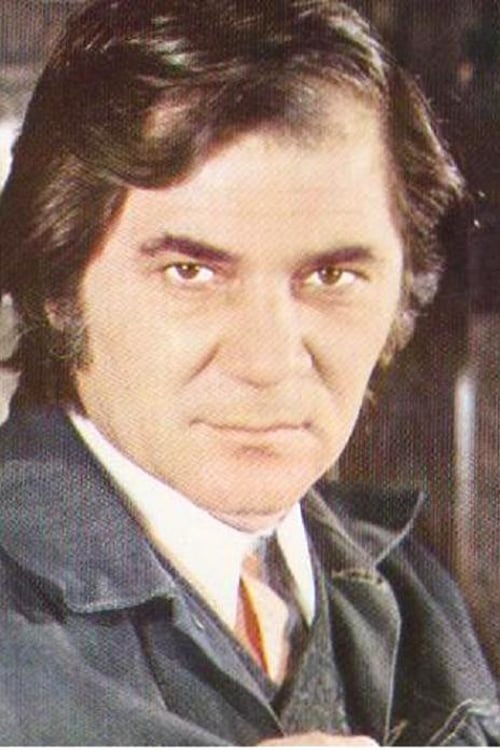 Ion Rițiu
as
 George Alexandru
as